Nigeria’s Cement Price Crisis Deepens As High Costs Threaten Affordable Housing
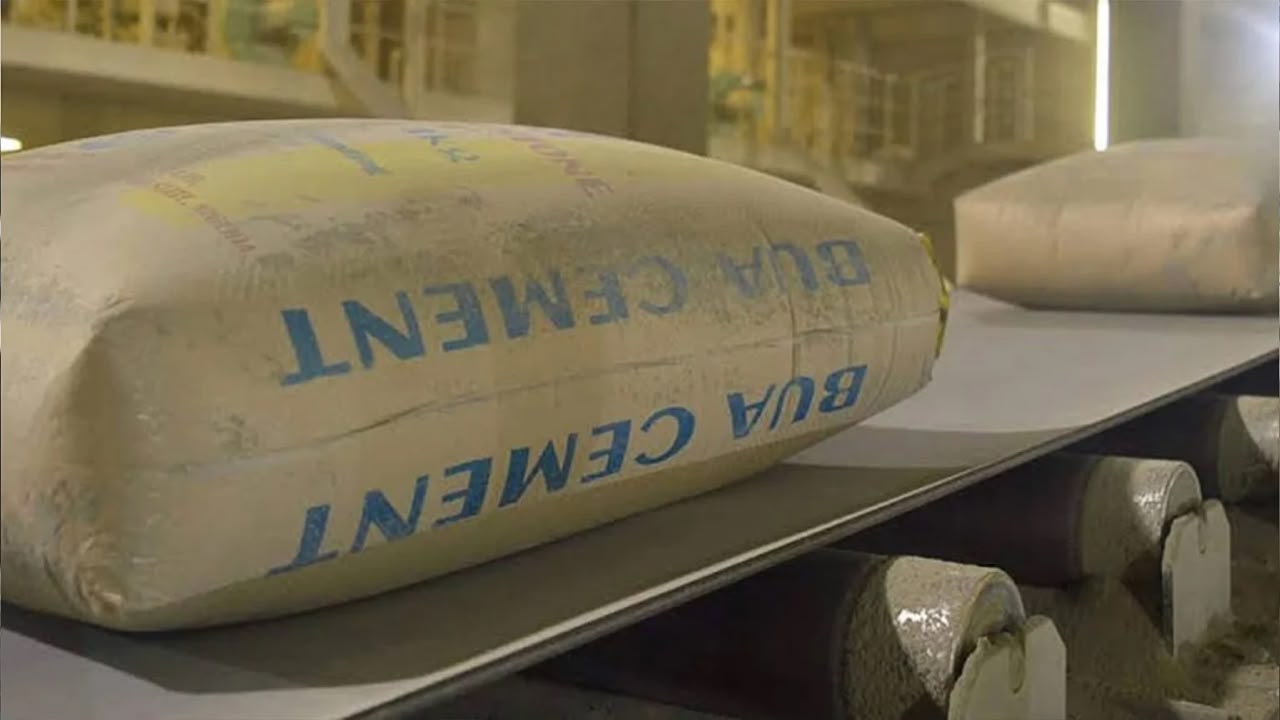
Nigeria’s Cement Price Crisis Deepens As High Costs Threaten Affordable Housing Nigeria’s persistent cement price crisis is deepening concerns over housing affordability, construction costs and infrastructure development, with the price of a 50-kilogramme bag reaching between N12,500 and N15,000 despite the country’s substantial domestic production capacity. The high cost is placing additional pressure on developers, contractors and prospective homeowners, while raising questions about whether Nigeria’s large cement manufacturing capacity is translating into affordable prices for consumers. on September 14, said Nigeria’s cement industry has an installed production capacity of more than 60 million metric tonnes annually, with plans to increase capacity to about 85 million tonnes in the coming years. Yet domestic consumers continue to face some of the highest cement prices in Africa. The disparity between production and retail prices has become one of the major contradictions in Nigeria’s construction sector. Domestic cement demand is estimated at between 25 million and 30 million metric tonnes annually, meaning production capacity exceeds local consumption and leaves room for exports. The industry is dominated by three major producers Dangote Cement, BUA Cement and Lafarge Africa, now HBM Nigeria Plc whose combined capacity is significantly higher than domestic demand. Despite this surplus, ordinary Nigerians continue to struggle with the cost of cement, making home construction increasingly difficult. The price disparity is particularly striking when Nigeria is compared with other cement-producing countries. According to the Guardian editorial, a 50kg bag of cement sells for the equivalent of approximately
- N6,000–N7,000 in South Africa
- N4,000–N5,000 in Egypt
- Lower prices are also recorded in markets such as Kenya and Ghana.The comparison has intensified concerns over why Nigeria’s substantial local production has not resulted in cheaper cement for consumers.Cement manufacturers have several explanations for the elevated prices.Cement production is highly energy-intensive and depends heavily on gas, coal, diesel and alternative fuels. The removal of fuel subsidies has increased energy and transportation costs, while the depreciation of the naira has raised the cost of imported machinery, spare parts, packaging materials and other industrial inputs.
- Poor transport infrastructure
- High diesel costs
- Rising financing costs
- Inflation
- Security challenges
- Unreliable electricity supply
- Expensive industrial logistics
These factors have increased the cost of manufacturing and distributing cement across Nigeria. However, argued that production costs alone may not fully explain the significant gap between Nigerian cement prices and those in comparable African marketsThe three dominant manufacturers reportedly generated more than N6.5 trillion in combined revenue in 2025 and recorded about N1.65 trillion in combined after-tax profits, representing a 142 per cent increase from the previous year.While profitability is a legitimate reward for investment, the figures have prompted questions about competition, pricing structures and the extent to which consumers are benefiting from Nigeria’s expanding manufacturing capacity. The cement crisis has consequences far beyond the construction industry. Cement is essential to the development of homes, roads, bridges, schools, hospitals and other infrastructure. With Nigeria already facing a housing deficit estimated at more than 16 million units, continued increases in construction costs could make the situation even more difficult to address. Developers are increasingly scaling back projects as construction expenses rise, while many families are abandoning building plans or completing homes gradually over several years. Contractors working on public infrastructure projects have also faced pressure to seek contract reviews because of escalating material costs. The Federal Government has acknowledged the pressure created by high cement prices. Minister of Works David Umahi has called for formal engagement with cement manufacturers to explore measures capable of reducing prices. The government faces a difficult balance: it must encourage domestic manufacturing and protect investment while ensuring that locally produced cement remains affordable enough to support housing and infrastructure development. The Guardian editorial called for a comprehensive review of the competitive structure of the cement industry. It argued that the Federal Competition and Consumer Protection Commission (FCCPC) should regularly assess pricing behaviour, distribution practices and possible anti-competitive conduct. No evidence of price-fixing has been established, but greater transparency would help consumers and policymakers understand how prices move from the factory gate to retail markets. The editorial also called for stronger competition by supporting new investors and ensuring that access to limestone deposits, financing and industrial infrastructure does not unnecessarily prevent new players from entering the market. Reducing cement prices will also require government to tackle the wider costs of doing business in Nigeria. Improved electricity supply, reliable gas infrastructure, better roads and expanded rail connections between cement-producing areas and major consumption centres could reduce manufacturing and transportation expenses. The government could also consider targeted incentives for industrial equipment, while ensuring that any savings achieved by manufacturers translate into lower prices for consumers. Another area requiring attention is the distribution chain. Multiple layers of intermediaries between manufacturers and final consumers can increase the retail price substantially above the factory-gate price. Greater transparency around ex-factory prices, improved distribution competition and wider participation by independent distributors could help reduce excessive mark-ups and make pricing more predictable. Nigeria’s cement industry has demonstrated significant manufacturing capacity and attracted billions of naira in investment. However, the central question is whether that industrial growth is delivering sufficient benefits to ordinary Nigerians.A strong manufacturing sector should not only be measured by production volumes, corporate revenues and profits. It should also contribute to affordable essential goods, lower construction costs, job creation and improved living standards. The government and industry stakeholders now face the task of finding a sustainable solution to Nigeria’s cement price crisis. Any intervention must protect investment and production while encouraging healthy competition, transparent pricing and lower distribution costs. For millions of Nigerians hoping to build or own homes, cement prices remain a major barrier. Nigeria produces considerably more cement than it consumes, yet consumers continue to pay prices that are significantly higher than those in several comparable African markets. Until that contradiction is addressed, efforts to close the housing deficit, expand infrastructure and make home ownership more accessible will remain under severe pressure.