UK Announces ‘Cot Cams’ For Neonatal Units After Lucy Letby Inquiry
UK Announces ‘Cot Cams’ for Neonatal Units After Lucy Letby Inquiry
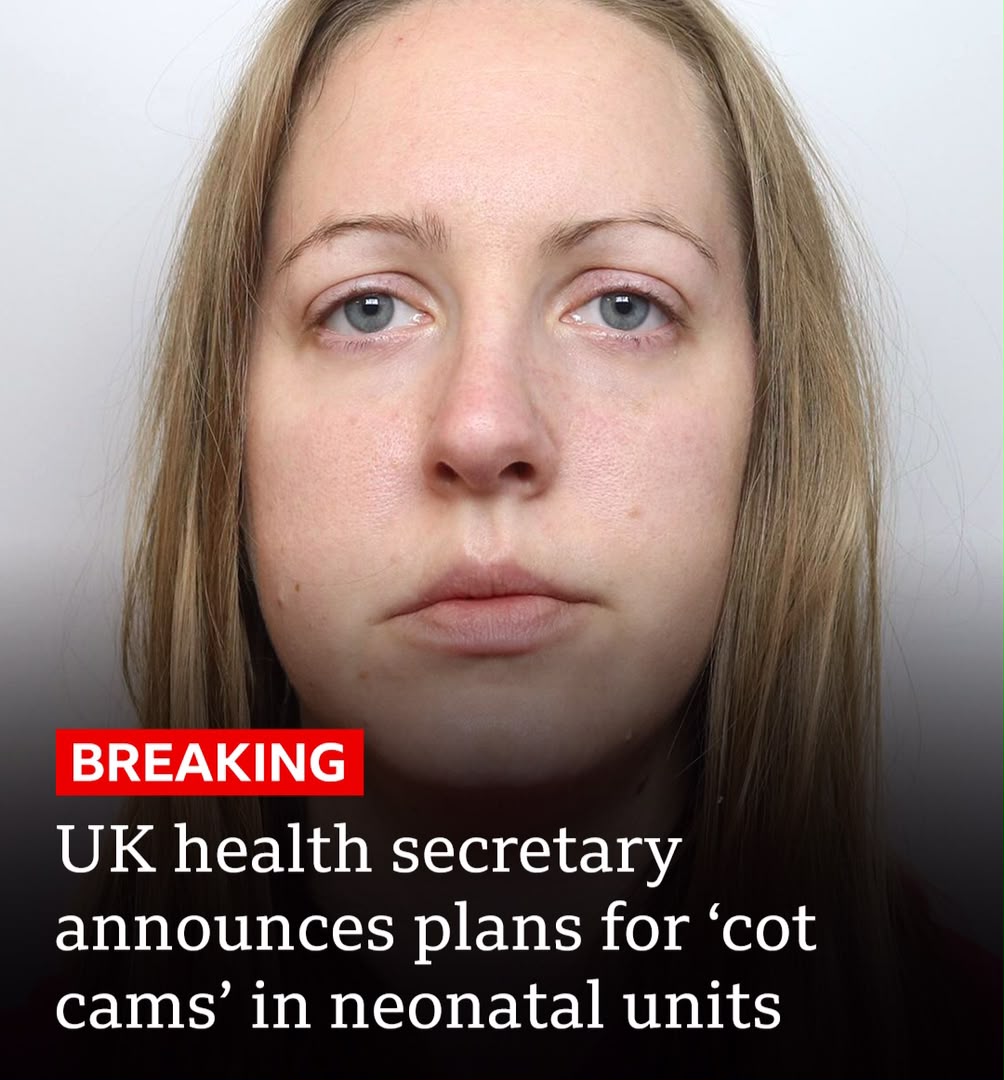
The UK government has announced plans to develop “cot cams” for neonatal units across the country following damning findings from the inquiry into the deaths and serious harm suffered by babies at the hospital where convicted nurse Lucy Letby worked. Health Secretary Yvette Cooper told MPs that she had instructed officials to urgently develop plans for video baby monitors after Lady Justice Kathryn Thirlwall recommended the introduction of cameras in neonatal units. The move follows the publication of the Thirlwall Inquiry report, which found a “complete failure to protect babies” at the Countess of Chester Hospital and identified serious shortcomings in management, governance and safeguardi
Cooper told the House of Commons that she agreed with the inquiry’s recommendation for video monitoring of babies receiving neonatal care. She said the cameras would serve both a patient-safety function and provide reassurance to parents who cannot always be physically present beside their babies. The Health Secretary said officials had been asked to urgently develop plans for the introduction of cot cameras. Under the inquiry’s recommendation, cameras would be fitted to cots and incubators and provide live video that parents could access remotely. The announcement came shortly after the publication of the Thirlwall Inquiry’s findings into events surrounding Letby’s time at the Countess of Chester Hospital. The inquiry concluded that hospital management failed to respond appropriately to concerns raised by doctors about the unexpected deaths and collapses of babies on the neonatal unit. Lady Justice Thirlwall described the hospital’s management and governance as dysfunctional and identified a serious failure to understand fundamental safeguarding responsibilities. The report concluded that three babies could have been saved and seven others could have been protected from harm if appropriate action had been taken sooner. The inquiry said video monitoring could provide an additional layer of protection for vulnerable newborns. Lady Justice Thirlwall said parents who gave evidence to the inquiry strongly supported the use of CCTV and believed it could help protect babies in neonatal units. The recommendation calls for every cot and incubator to have an in-cot camera capable of live streaming, allowing parents to observe their babies remotely. The inquiry also recommended monitoring areas where insulin is stored, following findings concerning the deliberate poisoning of babies with insulin. The government believes the cameras could also improve the experience of families whose babies require intensive neonatal treatment. Parents can sometimes spend long periods away from their newborns because of hospital restrictions, distance or other circumstances. Cooper said the proposed system could help parents feel more connected to their children while also strengthening safety arrangements within neonatal units. The government has indicated that funding for implementation will need to be carefully managed. Letby, a former neonatal nurse at the Countess of Chester Hospital, was convicted of murdering seven babies and attempting to murder seven others. She was sentenced to 15 whole-life terms and remains in prison. Letby has maintained her innocence and is continuing efforts to challenge her convictions. The Criminal Cases Review Commission is considering material submitted on her behalf. The Thirlwall Inquiry was established to examine the circumstances surrounding the babies’ deaths and injuries and the institutional response to concerns about Letby’s conduct. It was not a criminal appeal hearing and did not determine whether her convictions should be overturned. Cooper said the government would take the inquiry’s recommendations seriously and promised a full government response within six months. The Health Secretary also expressed profound regret over the failures identified by the report. She told MPs that the safety, safeguarding and wellbeing of babies must never again be treated as a secondary issue. The Countess of Chester Hospital has also acknowledged the findings and apologised to the families affected, saying it would approach the recommendations with openness and a commitment to strengthening governance, safety and its organisational culture. The introduction of cot cameras would represent one of the most visible changes resulting from the inquiry. Beyond the technology, however, the report called for fundamental improvements in how hospitals respond when staff members are suspected of deliberately harming patients.The inquiry found that concerns about Letby were not escalated quickly enough and that tensions between doctors and nurses contributed to a failure to focus on the central issue of protecting vulnerable babies. The government now faces the task of turning the inquiry’s recommendations into practical safeguards across the NHS. For families affected by the tragedy, the proposed cameras are intended to provide not only an additional safety measure but also greater transparency and reassurance when their newborns are receiving specialist care.