Naira Trades In Mid-₦1,400s Officially, Parallel Market Near ₦1,480–₦1,500 — FX Update
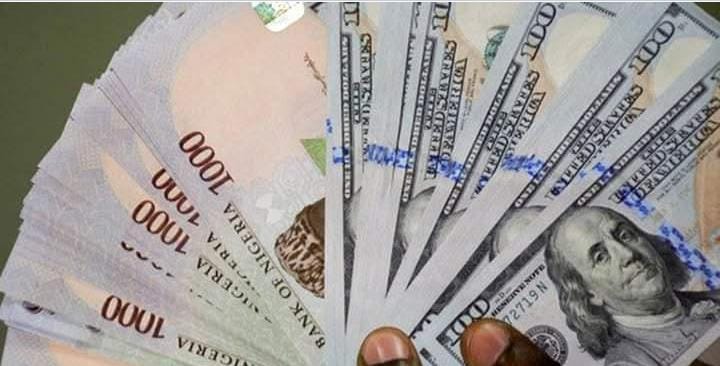
Naira Trades in Mid-₦1,400s Officially, Parallel Market Near ₦1,480–₦1,500 — FX Update
By Hedgos News International Desk | October 18, 2025 | Lagos, Nigeria
The Nigerian naira is under continued pressure in foreign-exchange markets, with a pronounced gap between official and parallel (black-market) rates, according to recent market reports.
📌 Key Rate Updates
On the official Central Bank of Nigeria (CBN)-derived NFEM (Nigerian Foreign Exchange Market) window, the naira is trading in the mid-₦1,400s to the US dollar. For example, one report cites the official daily volume-weighted average at about ₦1,471 per US$1 on October 18.
In the parallel/black-market segment, dealers are quoting the US dollar near ₦1,480 to ₦1,500. For instance, one live tracker shows a selling rate of ₦1,500 and buying around ₦1,480.
🔍 Why the Divergence
The wide spread between official and parallel rates reflects several underlying factors:
Dollar scarcity: Official windows face limited dollar supply, which pushes many importers, businesses and individuals toward the parallel market to meet urgent FX needs.
Market segmentation: The NFEM rate is derived from authorised banks’ submissions and reflects institutional flows, while the street rate reacts instantly to physical-cash demand and sentiment, which often trades at a premium.
Import & cost pressures: Import-dependent firms sourcing dollars outside the official window increasingly face higher landed costs when using the parallel market, which may result in higher domestic prices or inflationary pressure.
🧮 Implications for Nigerians and Businesses
Importers and businesses: Those reliant on imported goods or raw materials may see cost inflation if they must resort to the parallel market.
Consumers: Goods subject to foreign-exchange cost see upward pressure, which may push up inflation or reduce affordability.
Remittances and travel: While official rates may be lower, access can be constrained; in practice, some Nigerians may end up converting at the street rate.
Policy risk: A persistent spread of this magnitude may challenge the CBN’s efforts to stabilise the naira and may prompt further intervention or exchange-regime adjustments.
📅 What to Watch Next
Whether the CBN intervenes further (via dollar auctions or policy tools) to narrow the gap between official and parallel rates.
Movements in the spread: if the parallel market pushes significantly beyond ₦1,500, it may signal deeper stress in dollar liquidity.
Government and central-bank commentary on inflation, import substitution, and currency-management strategies, which could influence market sentiment.
Impact on sectors heavily reliant on foreign-currency inputs (manufacturing, oil & gas, agriculture) and how they pass through costs to consumers.
✅ Summary
At present, the naira is trading around mid-₦1,400s per US$1 in the official market, while the parallel market quotes the dollar close to ₦1,480–₦1,500. The persistent large spread underlines ongoing currency-market strain, limited dollar availability in formal channels and the premium placed on immediacy outside official windows.
Tags: Nigeria · Naira · Foreign Exchange · Official Rate · Parallel Market · Central Bank of Nigeria · Importers · Inflation
Sources: Vanguard Nigeria, NairaToday, NgnRates
© 2025 Hedgos News Company | Hednews.uk