Growing Trend Of Cashless Shops Businesses Cite Costs And Security Fears
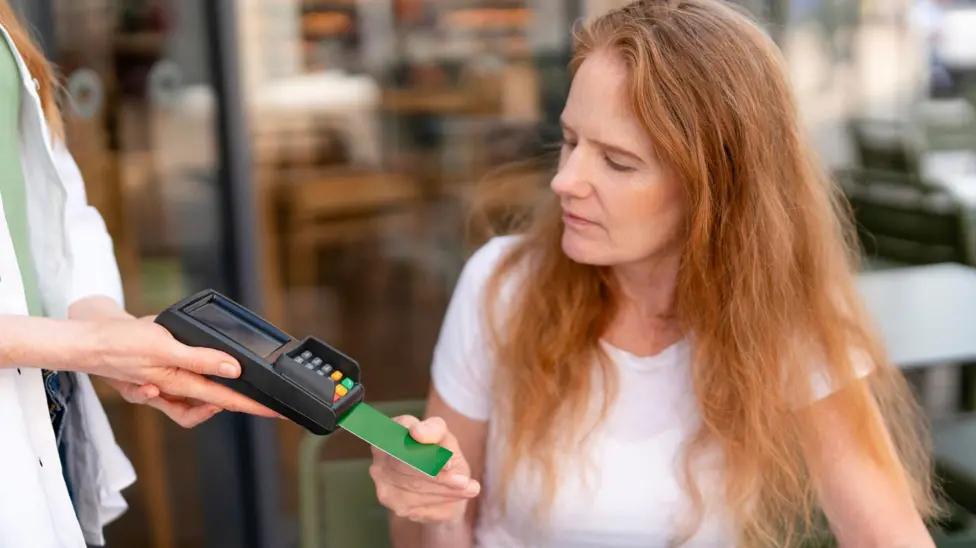
Growing Trend of Cashless Shops: Businesses Cite Costs and Security Fears An increasing number of shops on Britain’s high streets are turning away from cash payments, with a survey showing about one in seven businesses has gone cashless in the past year a trend largely driven by operational costs and concerns over security. The survey, conducted for the UK’s main ATM network Link and reported by the BBC, reveals that while cash remains widely used, more retailers are choosing to accept only cards or digital payments as they weigh the financial and safety implications of handling physical money
According to the findings:
- 14 % of shops surveyed have stopped accepting cash in the past 12 months.
- Around 46 % of in‑person sales are still paid for with cash indicating that even as cashless adoption grows, physical money remains significant.
For most businesses that have become cashless, the prime factors cited were:
- Cost of cash handling: Up to half of retailers said managing physical cash counting, storing, and banking it imposed significant monthly expenses, often more than £50.
- Security concerns: Many shop owners pointed to the risk of theft, counterfeit currency, shoplifting, and even violence against staff when dealing with cash.
- Perceived low demand: Some businesses reported dwindling customer use of cash, with increasing preference for card or phone payments.Retailers also stressed that banking infrastructure influences the move to cashless. Some cited the closure or limited opening hours of local bank branches and the cost of depositing cash as barriers that make cash handling less viable. While the majority (77 %) of small and medium‑sized shops still accept cash, more than half of those that went cashless did so only in the last year, underscoring the rapid pace of change
The rise of cashless shops has sparked debate:
- Supporters of the shift argue it reduces risks associated with physical money and streamlines operations.
- Critics and some MPs warn that an overly cashless economy could create a two‑tier system where vulnerable groups such as older people or those without bank access face exclusion.
The UK Treasury Committee has previously raised concerns about insufficient data on cash acceptance by businesses and suggested that the government might need to intervene to ensure that cash remains an option for consumers.
The shift toward cashless operations reflects a balancing act between modern payment convenience and traditional financial inclusion. As digital transactions grow, the challenge for policymakers and businesses alike will be to ensure that the decline of cash does not leave people behind especially those who rely on cash to budget and manage their daily expenses.