World Health Day Raises Alarm Over WHO Funding Crisis After U.S. Exit Leaves $1.9bn Deficit
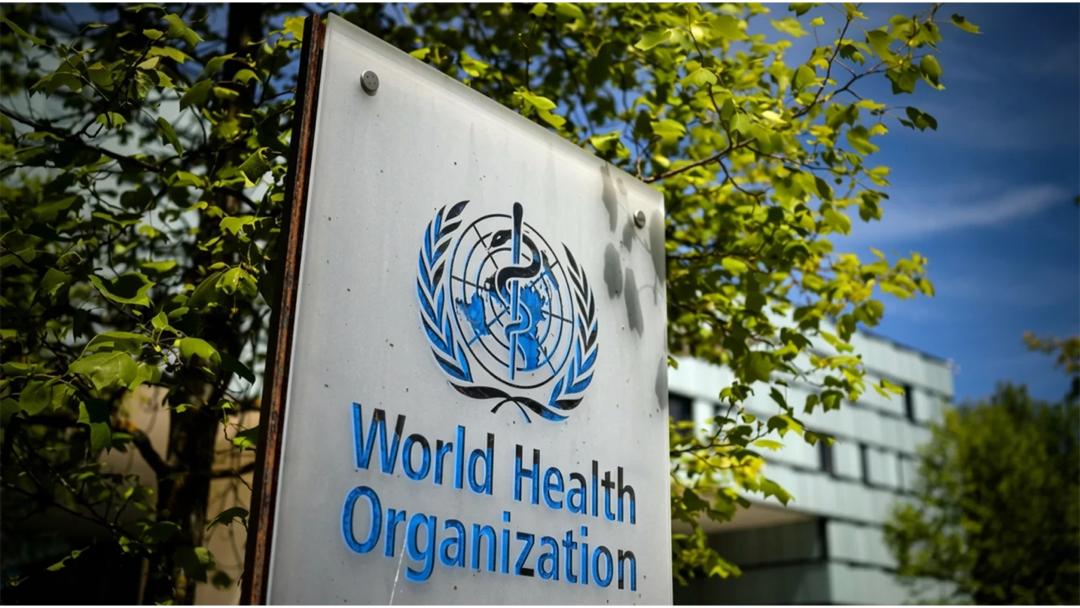
World Health Day Raises Alarm Over WHO Funding Crisis After U.S. Exit Leaves $1.9bn Deficit Global health leaders have raised fresh concerns over the sustainability of international health programmes as the World Health Organization (WHO) faces a major funding crisis following the withdrawal of the United States, leaving a projected $1.9 billion budget shortfall.
The warning came as countries marked World Health Day, with experts cautioning that the financial gap threatens disease control efforts, emergency preparedness and healthcare support programmes worldwide The United States formally exited the WHO in January 2026, ending nearly eight decades of financial partnership with the global health body. Washington had historically been one of the organisation’s largest contributors, providing a significant share of its annual funding.
Health analysts say the departure has created immediate financial strain, leaving the WHO struggling to finance operations for its 2026–2027 budget cycle, where the agency now faces an estimated $1.9 billion deficit. Experts warn that the funding gap could undermine global programmes targeting infectious diseases, vaccination campaigns, outbreak surveillance and emergency health responses particularly in developing regions that rely heavily on international support. Global health initiatives addressing HIV, malaria, maternal health and pandemic preparedness may experience disruptions if alternative funding sources are not secured quickly. The WHO has already begun restructuring efforts, including budget reductions and organisational reforms, in an attempt to remain operational despite declining donor contributions. Public health leaders used World Health Day to urge governments and international partners to strengthen multilateral cooperation and develop more sustainable health financing models. Observers note that global health systems have long depended on a small group of major donors, meaning the withdrawal of a single leading contributor can rapidly trigger a financial emergency across multiple programmes
The WHO has warned that reduced funding could weaken international coordination during future disease outbreaks and slow progress against longstanding health challenges. Officials stress that maintaining stable financing is critical to ensuring equitable healthcare access, especially in low- and middle-income countries where external assistance remains essential.
As governments and partners consider new funding strategies, World Health Day 2026 has shifted focus from celebration to concern highlighting the urgent need to safeguard global health systems amid changing geopolitical and financial realities. Without renewed investment, experts caution that decades of progress in global health could face significant setbacks.