Global Mental Health Crisis Nearly Doubles Since 1990, Study Finds
by HEDNEWS on May 22, 2026
Global Mental Health Crisis Nearly Doubles Since 1990, Study Finds
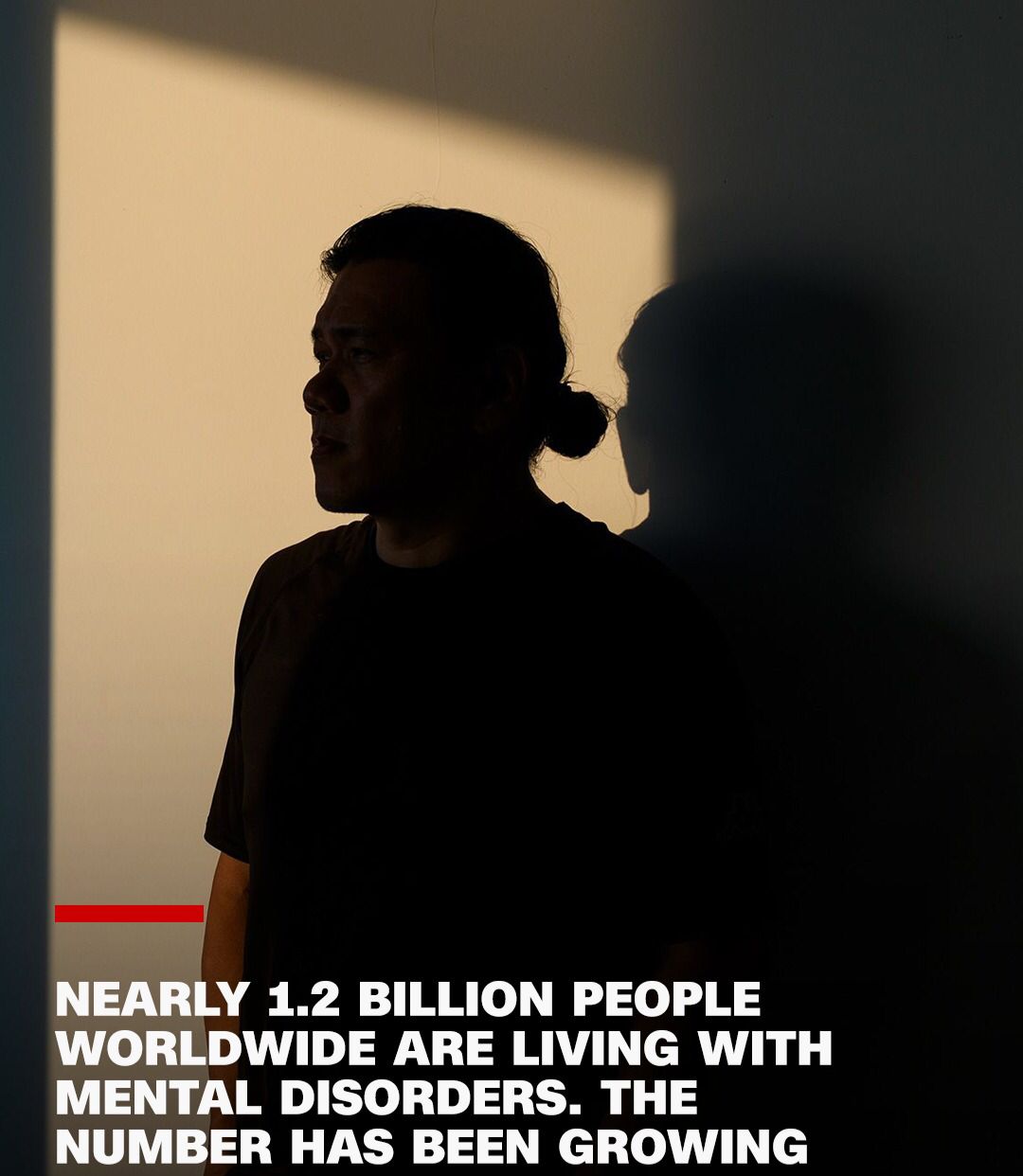
A major new study published in The Lancet has revealed that nearly 1.2 billion people worldwide were living with mental disorders in 2023, marking a 95.5% increase since 1990 and signaling a deepening global mental health crisis. The research, conducted by scientists from the Institute for Health Metrics and Evaluation and the University of Queensland, analyzed data across 200 countries and found that mental disorders now account for more than 17% of all years lived with disability worldwide. The largest increases were recorded in anxiety disorders and major depressive disorders, which also remained the most common mental health conditions globally in 2023.
- Anxiety disorder cases rose from about 182 million in 1990 to 470 million in 2023.
- Major depressive disorders increased from roughly 102 million to 236 million during the same period.
- Researchers said the increase reflects both population growth and worsening social and environmental pressures affecting mental well-being worldwide.Lead researcher Damian Santomauro said the worsening trends may be linked to the lingering effects of the COVID-19 pandemic as well as broader societal problems such as poverty, violence, insecurity, abuse, and declining social connection. The report warned that mental disorders are becoming one of the leading causes of global health loss and disability, surpassing many physical illnesses in long-term impact. Despite the sharp rise in mental health conditions, access to treatment remains limited in many parts of the world. Experts involved in the study called for
- Increased investment in mental health systems
- Expanded access to care and therapy
- Early intervention programs
- Coordinated international public health action The findings add to growing global concern over the long-term psychological effects of economic instability, conflict, climate disasters, and social isolation.