UK COVID‑19 INQUIRY NHS “CAME CLOSE TO COLLAPSE” DURING PANDEMIC, REPORT FINDS
by HEDNEWS on March 19, 2026
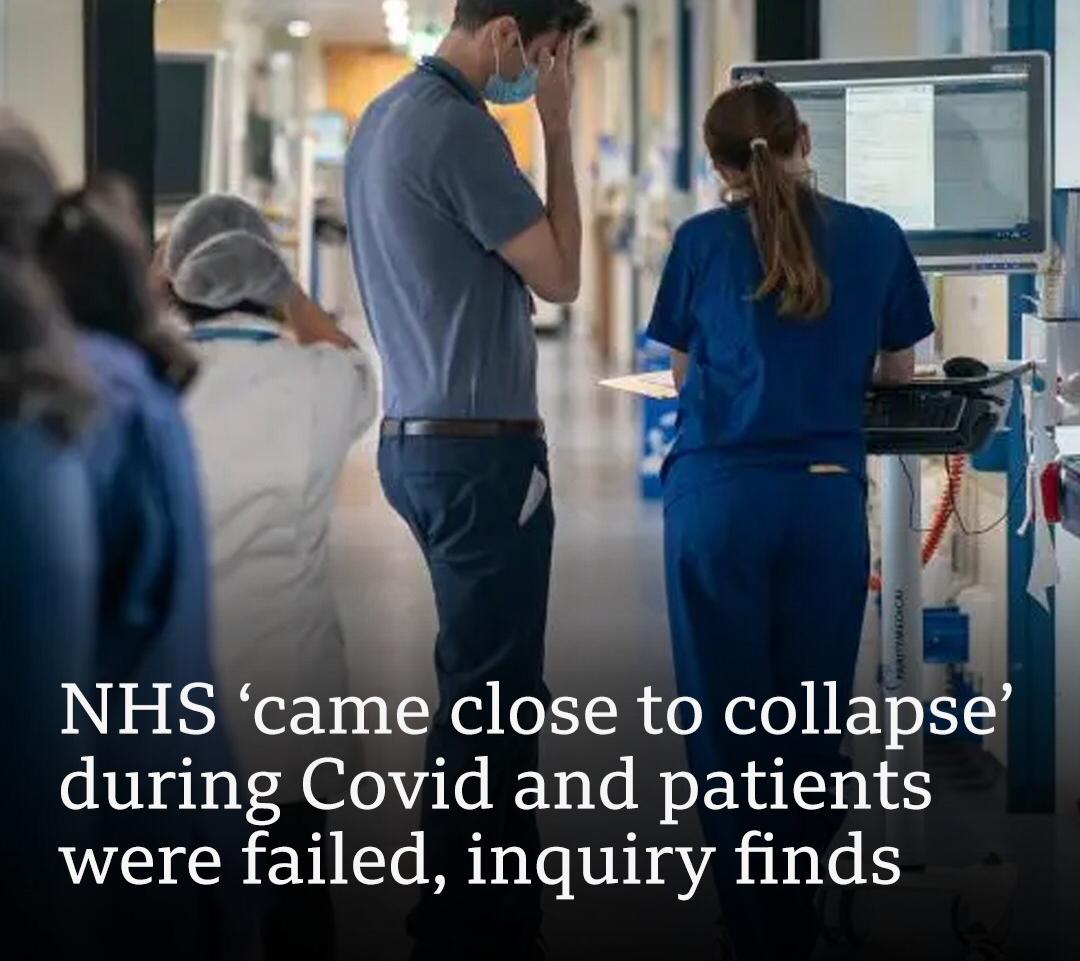
UK COVID‑19 INQUIRY NHS “CAME CLOSE TO COLLAPSE” DURING PANDEMIC, REPORT FINDS The National Health Service (NHS) narrowly avoided collapse during the height of the COVID‑19 pandemic, according to the latest findings from the UK’s official Covid‑19 Inquiry, which highlighted extreme pressure on healthcare services and the “extraordinary efforts” of NHS staff in keeping the system functioning.
- The Covid‑19 Inquiry’s third module, chaired by Baroness Heather Hallett, concluded that the NHS “came close to collapse” during the pandemic coping “but only just” under the strain of unprecedented coronavirus cases.
- The report, part of a 400‑page document focused on the health service’s response, underscored that NHS staff worked under “intolerable pressure for months on end” and were forced to put themselves at significant risk due to shortages of equipment and staff.
- The inquiry found the health system was ill‑prepared when COVID‑19 arrived, entering the pandemic with low bed capacity, high staff vacancies and overstretched services, leaving little ability to absorb the sudden surge in demand.
- Healthcare workers’ response was described as “extraordinary”; their efforts were credited with preventing a full collapse of the NHS, but the inquiry also acknowledged that this came at a huge personal cost to staff, patients and families.
- Eyewitness testimony presented to the inquiry depicted devastating hospital conditions, with staff working long hours in makeshift situations amid shortages of personal protective equipment (PPE) early in the pandemic.
- The report noted that widespread cancellations or delays in non‑Covid care such as for heart attacks, cancer screening and other serious conditions meant many patients did not get the level of care they would have in normal circumstances.
- Officials acknowledged that public health messaging during lockdown including “Stay Home, Protect the NHS, Save Lives” may have inadvertently discouraged people from seeking urgent medical care, particularly for non‑Covid emergencies like heart attacks.
- Visiting restrictions at hospitals led to situations where many patients died alone without loved ones present, a factor that had a lasting emotional impact on families and healthcare workers alike.
- The report urges urgent reforms to strengthen the NHS’s resilience for future health emergencies, including increasing emergency care capacity, better data systems, and more robust planning for PPE and surge capacity.
- Inquiry chair Baroness Hallett warned that without systemic improvements, future pandemics or crises could overwhelm health services again, potentially without enough willing or available staff to cope.
- The NHS, the UK’s publicly funded health system, has faced longstanding pressures from underfunding, staffing shortages and high bed occupancy factors that left it vulnerable when the pandemic struck.
- Temporary field hospitals, such as the NHS Nightingale facilities created during the pandemic, were part of measures to expand capacity but did not fully offset the imbalance between demand and available staff and infrastructure.
The inquiry’s report on the health service response is the third of ten modules examining the UK’s handling of the pandemic, and its findings are shaping calls for major changes in emergency preparedness and healthcare funding.