Study Links Smacking Children To Lower Academic Performance And Riskier Teen Behaviour
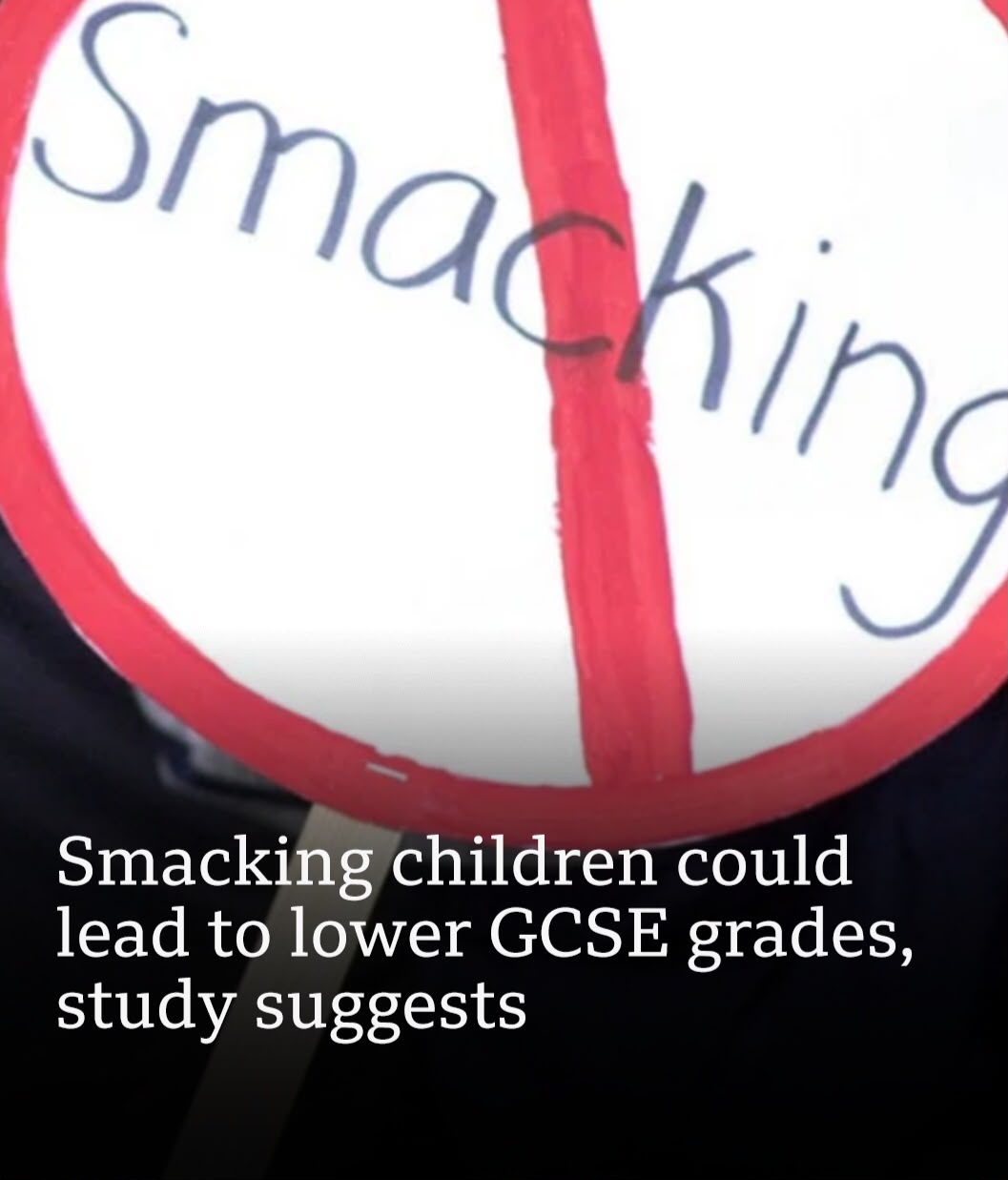
Study Links Smacking Children to Lower Academic Performance and Riskier Teen Behaviour Smacking children as a form of punishment may be linked to poorer academic performance and an increased likelihood of risky behaviour during adolescence, according to a new study that adds to long-standing concerns about physical discipline. Researchers found that children who experienced physical punishment were more likely to achieve lower school grades compared with peers who were not subjected to smacking. The study also suggests a correlation between corporal punishment and higher rates of risk-taking behaviour in the teenage years, including impulsive decisions and engagement in unsafe activities.
The findings contribute to a growing body of evidence that questions the effectiveness of physical discipline as a behavioural correction method, instead highlighting potential long-term developmental and educational consequences. Experts involved in child development research say the results indicate that smacking may negatively affect emotional regulation and cognitive development, which can in turn influence classroom performance and social behaviour as children grow older. While the study identifies an association rather than direct causation, researchers caution that repeated exposure to physical punishment can contribute to stress responses in children, potentially affecting learning capacity and decision-making skills over time. Child welfare advocates have pointed to the findings as further support for policies discouraging physical punishment in homes and schools, arguing that non-violent disciplinary approaches tend to produce better long-term outcomes for children. However, some commentators note that disciplinary practices vary widely across cultures and households, and stress that broader social and environmental factors also play significant roles in educational and behavioural outcomes. The study adds to ongoing global debates about parenting styles, child protection laws and the best approaches to promoting healthy development in children and adolescents.