Commissioners Urge Stronger Agricultural Insurance As Firms Disburse ₦396.7m To Farmers Over Climate Losses
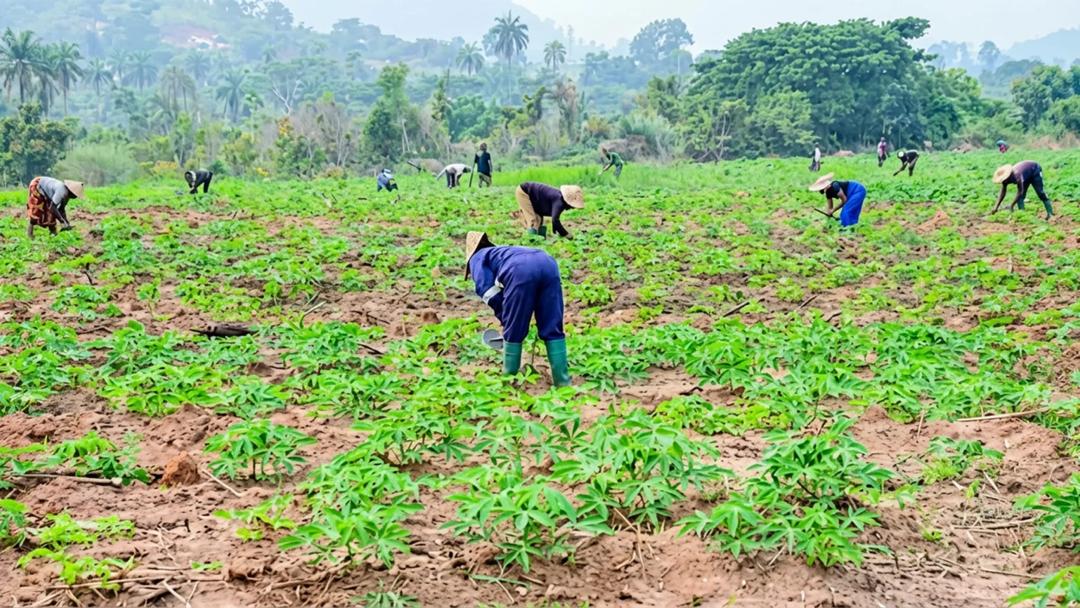
Commissioners urge stronger agricultural insurance as firms disburse ₦396.7m to farmers over climate losses Agriculture commissioners across Nigeria have called for stronger and more inclusive agricultural insurance systems following the disbursement of ₦396.7 million in climate-related insurance claims to smallholder farmers by Leadway Assurance, PULA Advisors, and the Presidential Food Systems Coordinating Unit (PFSCU). The payout was announced at the 2025 Wet Season Insurance Pay-out Ceremony held in Abuja under the National Agribusiness Planning Mechanism, where farmers affected by climate shocks received compensation for losses sustained during the farming season.
The beneficiaries were drawn from Plateau, Borno, Kaduna, and Taraba States, with Taraba farmers receiving the highest share of ₦154.31 million, followed by Borno (₦127.19 million), Kaduna (₦69.73 million), and Plateau (₦45.47 million). Officials said the intervention is part of a growing effort to use agricultural insurance as a buffer against climate-induced risks such as erratic rainfall, flooding, drought, and pest outbreaks that continue to disrupt farming activities across the country. Speaking at the event, Leadway Assurance’s Chief Executive Officer, Gboyega Lesi, said agriculture remains highly exposed to environmental risks and stressed that insurance is essential for sustaining farmers’ livelihoods and food production stability. He noted that data collected from the payout exercise would guide future interventions aimed at improving access, transparency, and the effectiveness of insurance coverage for farmers. Representatives of the PFSCU also commended the collaboration, describing it as aligned with Nigeria’s broader food systems transformation agenda under the Renewed Hope framework, which prioritises resilience and productivity in agriculture. PULA Advisors described the programme as proof that large-scale agricultural insurance can work in Nigeria, although it highlighted challenges such as farmer identification gaps and limited awareness among beneficiaries. Agriculture commissioners, reacting to the development, urged federal and state governments to deepen investment in agricultural insurance schemes, expand coverage to more farmers, and strengthen data systems to ensure faster and more transparent payouts during future climate shocks.
They stressed that with millions of Nigerians dependent on agriculture for their livelihoods, scalable insurance systems are critical to preventing farm losses from translating into widespread rural poverty. Nigeria’s agricultural sector is increasingly vulnerable to climate variability, with frequent floods, droughts, and disease outbreaks threatening food security and farmer incomes. While insurance penetration among smallholder farmers remains low, recent public-private partnerships are expanding coverage and building resilience mechanisms across key farming states. Stakeholders say the latest payout reinforces the importance of agricultural insurance as a key pillar for food security, while urging sustained collaboration between government, insurers, and development partners to protect farmers from future climate shocks.