Nigeria Records 70 Lassa Fever Deaths So Far In 2026 As NCDC Confirms 318 Cases
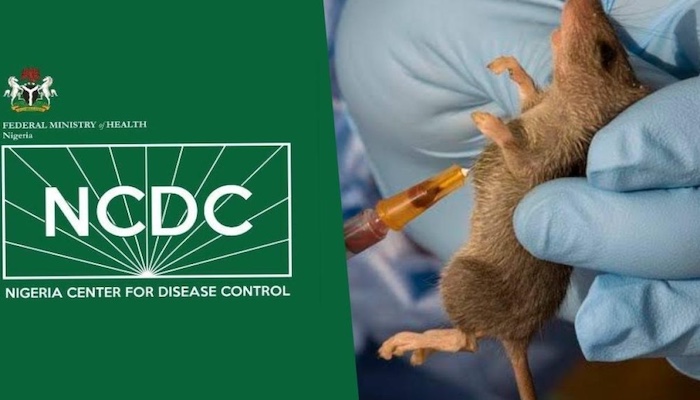
Nigeria Records 70 Lassa Fever Deaths So Far in 2026 as NCDC Confirms 318 Cases Nigeria’s health authorities have sounded the alarm over a worsening Lassa fever outbreak, with 70 confirmed deaths and 318 laboratory-confirmed infections recorded so far in 2026, according to the latest figures from the Nigeria Centre for Disease Control and Prevention (NCDC). The data covers Epidemiological Weeks 1–7 (Dec 29, 2025 – Feb 15, 2026) of the ongoing season
Confirmed Cases: 318
Deaths: 70
Case Fatality Rate (CFR): Approximately 22 per cent
Suspected Cases Nationwide: 1,469
Healthcare Workers Infected: 15
The NCDC says the outbreak remains geographically concentrated, with five states accounting for around 91 per cent of confirmed infections, and 10 local government areas (LGAs) responsible for about 68 per cent of all reported cases.
The states most affected include Edo, Ondo, Taraba, Bauchi and Ebonyi, reflecting persistent transmission in regions known to be Lassa fever hotspots during the annual peak season.
At a recent press briefing in Abuja, NCDC Director-General Dr Olajide Idris emphasised that while the figures are concerning, early diagnosis and prompt treatment can greatly improve patient outcomes. He reiterated that Nigeria’s current outbreak aligns with the seasonal pattern of Lassa fever, which typically intensifies during the dry season (November–May).
Dr Idris also noted that the national Incident Management System has been activated to coordinate outbreak response activities, including weekly meetings of the National Lassa Fever Emergency Operations Centre. Risks to Healthcare Workers and Public Health Systems Officials express particular concern about healthcare worker infections, emphasising the need for proper infection prevention and control (IPC) measures, such as protective equipment for front-line staff. Some workers have been infected due to inadequate protective resources and gaps in awareness of safe clinical practices. Dr Idris underscored that state-level surveillance and reporting systems must be strengthened to complement the national response, urging governors and health ministries to increase funding, improve infrastructure and ensure rapid specimen transport from remote communities to laboratories. The NCDC chief reiterated that Lassa fever remains endemic in Nigeria and that efforts to control it require sustained investment in healthcare systems, community education and environmental sanitation. He revealed that efforts are underway including collaborations with international partners to contribute to vaccine research and development, although a widely available vaccine remains years away due to the complex ecology of the disease. Dr Idris also said the agency aims to reduce Lassa fever incidence to a significantly lower level over the next decade, highlighting the importance of early case reporting, community engagement, and improvements in public health infrastructure.
Lassa fever is an acute viral haemorrhagic illness transmitted primarily through contact with contaminated food or household items exposed to infected Mastomys rats a common West African rodent and can also spread from person to person through direct contact with blood, body fluids, or contaminated objects.
Health authorities continue to urge the public to:
Report symptoms early, especially if fever or flu-like illness persists.
Store food in sealed containers and reduce rodent access to homes Maintain good sanitation and hygiene in households and markets.Avoid contact with rodents and their droppings.