”Investigation: Popular Dog Foods Contain “Dangerous Levels”
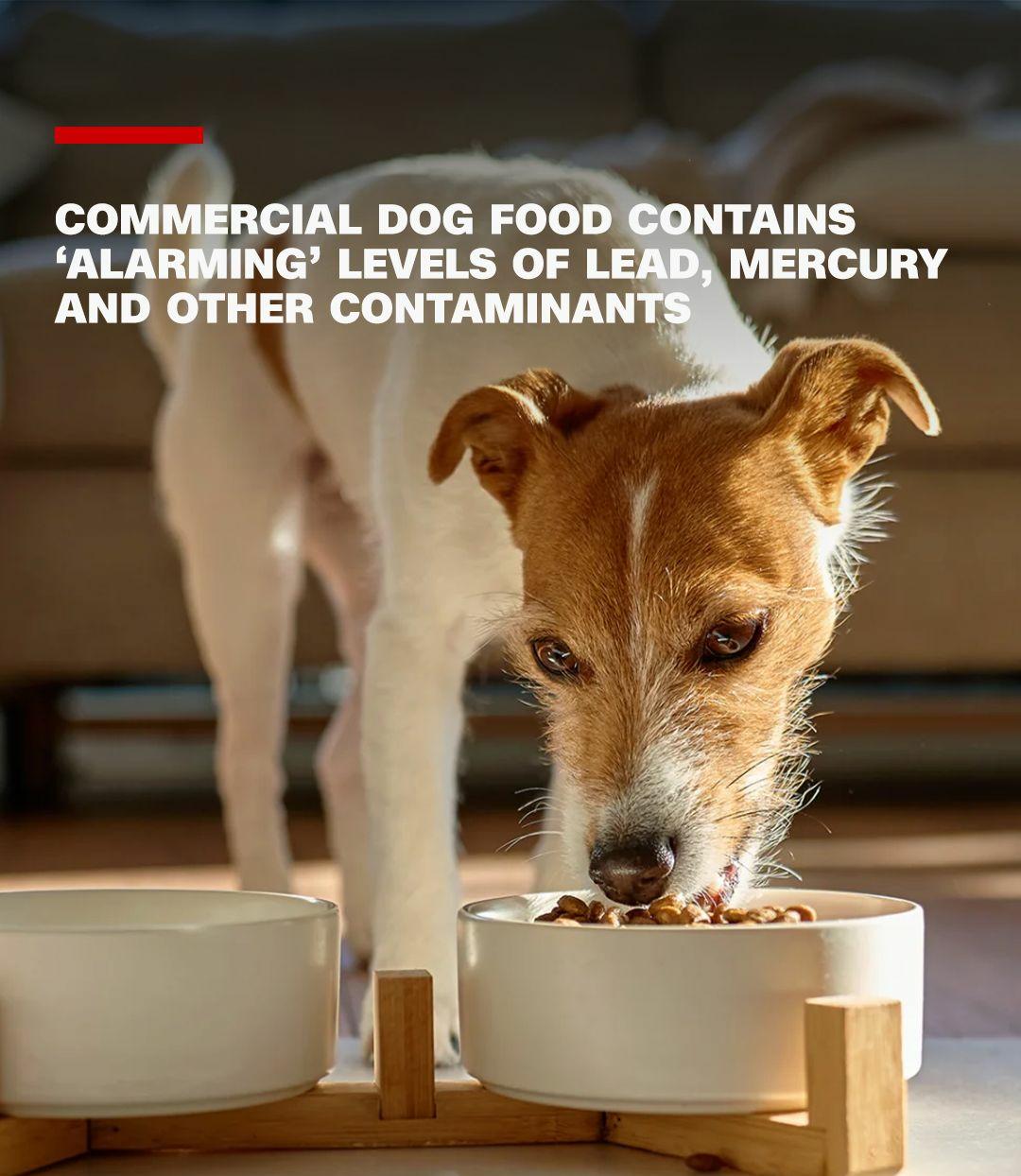
”Investigation: Popular Dog Foods Contain “Dangerous Levels” of Toxic Contaminants Health and related coverage
Key Findings A new investigation by the nonprofit Clean Label Project has found that many popular commercial dog foods contain alarmingly high levels of heavy metals, plastic contaminants, and acrylamide, a compound formed during high-heat processing and linked to cancer risk.
Researchers purchased 79 samples of widely sold dog foods, including dry kibble, air- and freeze-dried, and fresh/frozen products. A federally accredited lab conducted 11,376 individual tests for a range of contaminants, including heavy metals, plastics, pesticides, and acrylamide. Heavy Metals: Lead, Mercury, Arsenic & Cadmium Dry dog foods had the highest concentrations of heavy metals, with levels 3 to 13 times higher than those found in human foods previously tested by the organization.
Lead and mercury levels in dry kibbles were about 21 times higher than in fresh and frozen dog foods. Arsenic and cadmium were also significantly elevated in dry foods compared with moist alternatives.Acrylamide levels were found to be about 24 times higher in dry kibble than in fresh/frozen varieties.
One product measured 780 parts per billion a level that a veterinary toxicologist said is unusually high and comparable to eating several servings of french fries a day in terms of acrylamide exposure The investigation also detected bisphenols (BPA, BPS) and a phthalate (DEHP) plastic-related chemicals associated with reproductive and metabolic problems with dry foods again showing the highest measures. Fresh and Frozen Foods Safer
Fresh and frozen dog foods had the lowest levels of heavy metals and contaminants overall. Experts suggest this may be partly because these foods contain about 70% water, diluting the concentration of contaminants compared with dry, concentrated kibble. The Pet Food Institute (PFI), which represents U.S. pet food manufacturers, responded in a statement saying it will review the findings and emphasized that pet food makers continuously monitor for safety. Dr. Joseph Wakshlag, a veterinary nutrition specialist, highlighted that dogs may consume three to seven times more heavy metals per calorie than humans because of differences in typical diet composition.
However, precise health effects in dogs from chronic exposure remain understudied, and regulatory guidelines specific to dogs are limited. The report did not disclose brand-specific contamination levels, meaning no particular company or product was publicly identified as unsafe. Experts recommend that owners consider diversifying their dog’s diet, and, where appropriate and affordable, discuss with vets whether fresh or frozen food could be a healthier option. Heavy metals and plastic chemicals are environmental contaminants found in soil, water, and many food products. Their presence in pet food may reflect ingredient sourcing, processing, or manufacturing practices.
There are currently no comprehensive federal U.S. regulations specific to contaminants like heavy metals in dog food, and industry guidance tends to rely on older standards or extrapolate from livestock and human food guidelines.