Gulf Hub Airports Face Uncertain Future As Conflict Disrupts Global Travel
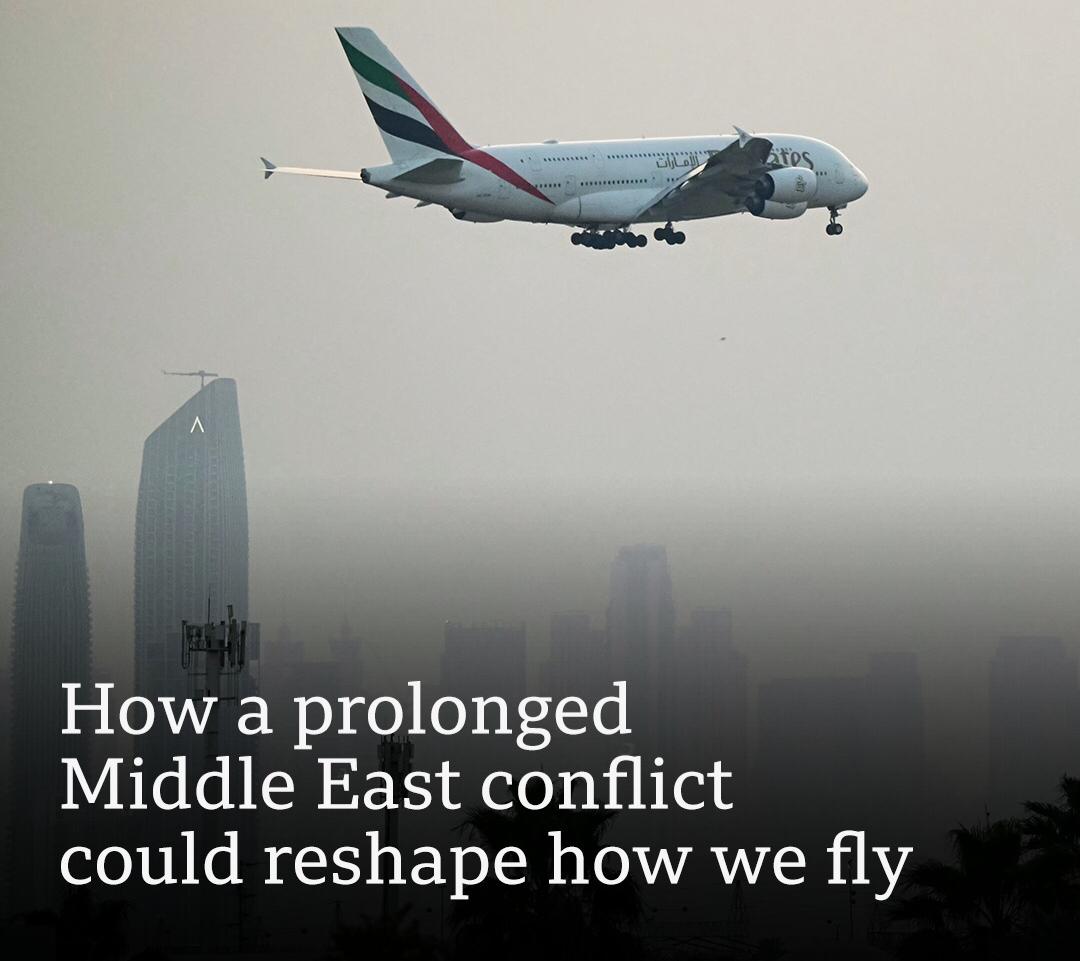
Gulf hub airports face uncertain future as conflict disrupts global travel The rise of major Gulf airports such as Dubai, Doha and Abu Dhabi transformed long-distance air travel over the past two decades, making it cheaper and more accessible for millions of passengers worldwide. However, ongoing conflict in the Middle East is now casting doubt over the long-term future of this aviation model. How Gulf hubs changed global travel
Airports in the Gulf region powered by airlines like Emirates, Qatar Airways and Etihad became key global transit hubs, connecting Europe, Asia, Africa and the Americas. Use their geographical location between continents Offer competitive pricing and high quality service Channel passengers through a hub-and-spoke system This approach significantly reduced ticket prices on long haul routes and challenged traditional European and Asian airlines. Recent escalation in the Middle East particularly involving Iran, Israel and the US has severely disrupted aviation across the region. Thousands of flights have been cancelled or rerouted due to airspace closures Major hubs like Dubai, Doha and Abu Dhabi have seen sharp drops in operations Safety concerns and missile threats have made parts of the region unsafe for aviation In some cases, entire airspaces were shut, halting global transit routes that depend heavily on Gulf connections. The crisis has exposed a key weakness in the Gulf aviation model: its heavy reliance on regional stability. Flights must take longer alternative routes
Fuel costs rise due to detours and oil price spikes
Passengers may avoid transit through the region altogether
Airlines have also had to ground aircraft or operate at reduced capacity, with some running far below normal levels.
Growing competition and long-term threats
Even before the conflict, Gulf hubs were facing increasing competition New long-range aircraft now allow more direct flights, bypassing hubs Rival hubs in Europe, Turkey, India and Africa are expanding Airlines outside the region are adjusting routes to avoid disruption For example, some European carriers are already planning to increase long-haul routes to capture passengers avoiding the Gulf. Experts say the region has historically bounced back quickly from crises due to its strategic location and strong airline networks. However, the scale of current disruptions has raised new questions
While recovery is expected if tensions ease, analysts warn that the long-term outlook is now less certain than ever.