Airlines Cut 13,000 Flights In May As Jet Fuel Prices Surge Amid Middle East Conflict
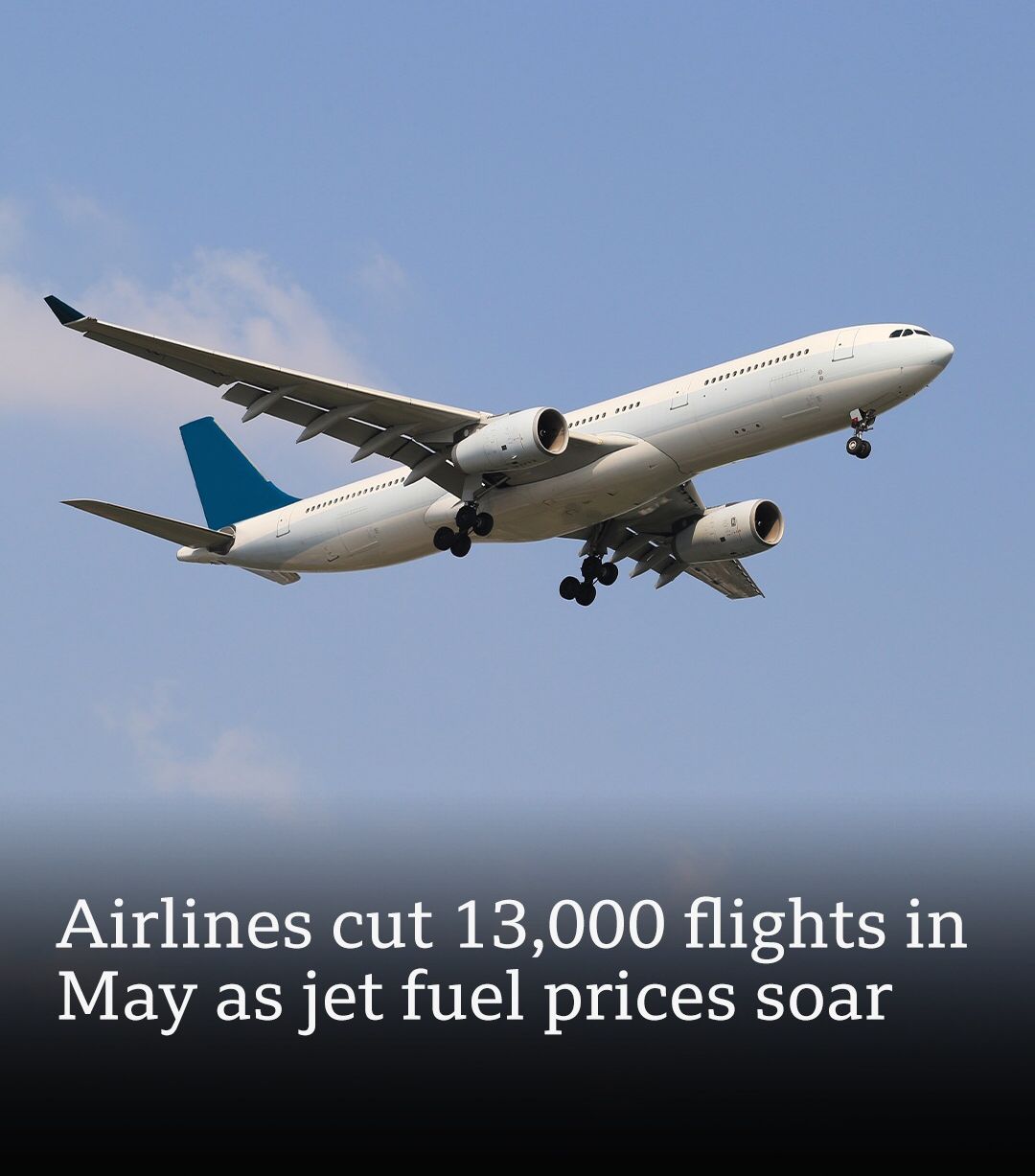
Airlines Cut 13,000 Flights In May As Jet Fuel Prices Surge Amid Middle East Conflict Airlines around the world have cut around 13,000 flights in May as rising jet fuel prices, driven by escalating conflict in the Middle East, force widespread schedule reductions and operational changes. The cuts highlight growing pressure on the global aviation industry as fuel costs spike following disruptions to key oil supply routes linked to ongoing geopolitical tensions in the region. Industry data shows airlines have removed millions of seats from May schedules, translating to roughly 13,000 fewer flights worldwide.
The reductions are part of wider cost-cutting measures, including
- Cancelling unprofitable or low-demand routes
- Switching to smaller, more fuel-efficient aircraft
- Rescheduling flights to reduce fuel consumption
- Consolidating services on high-traffic routes
While significant in absolute terms, analysts note the cuts still represent a relatively small share of global aviation capacity. However, they warn the trend could worsen if fuel prices remain elevated The spike in jet fuel prices has been linked to instability in the Middle East, particularly disruptions affecting major oil shipping routes such as the Strait of Hormuz, a critical passage for global energy transport.
The situation has led to
- Reduced oil supply flow
- Increased volatility in crude oil markets
- Sharp rises in jet fuel prices
- Greater uncertainty in airline fuel planning
Some industry estimates suggest jet fuel costs have risen sharply since tensions escalated, significantly increasing operating expenses for airlines worldwide.
Major carriers across Europe, Asia, and North America have begun scaling back services in response to rising costs.
Airlines affected include:
- Lufthansa
- Turkish Airlines
- Air China
- Emirates
- United Airlines
Several carriers have warned that further reductions may be necessary if fuel prices continue to rise or supply conditions worsen.
Aviation analysts say airlines are now balancing profitability with operational stability, with fuel costs remaining one of the biggest threats to recovery and growth in the sector. If geopolitical tensions persist, further disruptions to flight schedules and ticket prices may follow in the coming months.