Deadly Screwworm Parasite Resurfaces In Americas After Decades Of Eradication Efforts
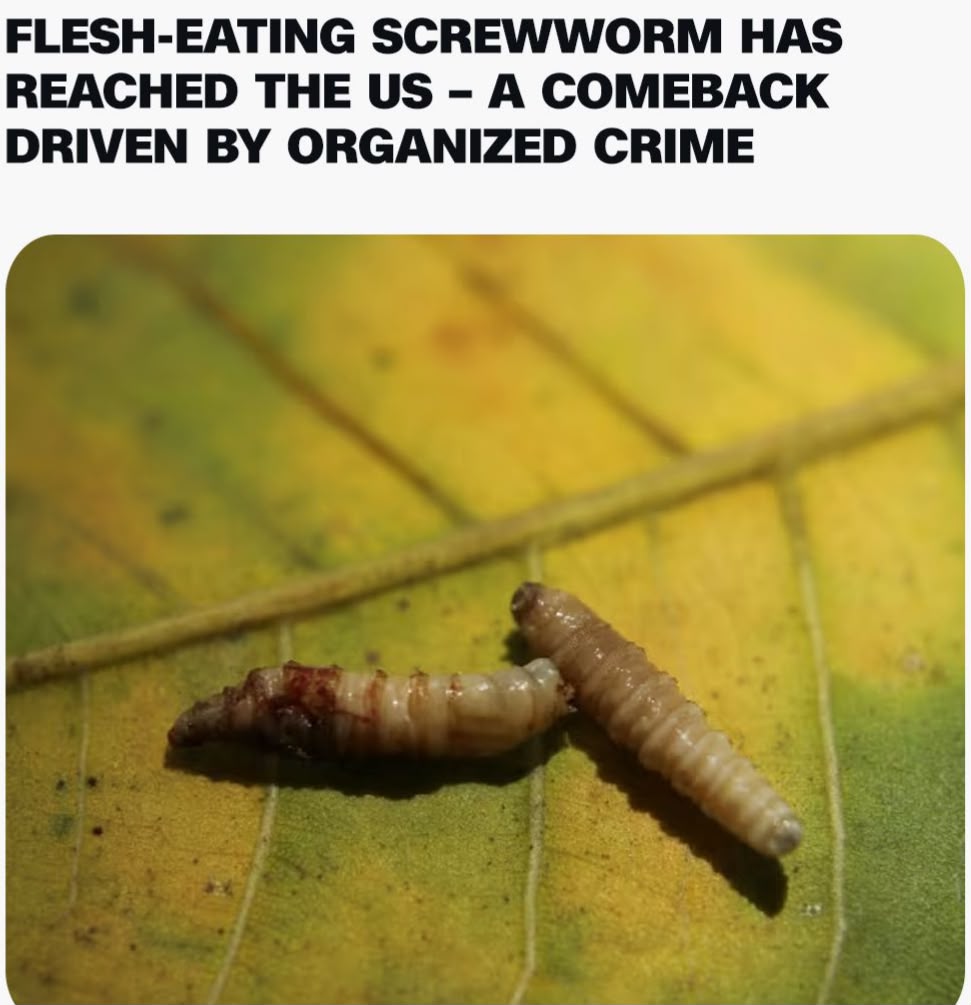
Deadly Screwworm Parasite Resurfaces in Americas After Decades of Eradication Efforts A dangerous parasitic fly known as the screwworm, which infests the wounds and body openings of warm blooded animals, has re-emerged in parts of the Americas, raising alarm among veterinary and public health experts who warn of potential risks to livestock and humans. Screwworm larvae are known to incubate exclusively in the wounds or orifices of animals such as cattle, dogs, horses and even humans, feeding on living tissue and causing severe and often fatal infections if left untreated. The parasite has long been regarded as one of the most destructive pests affecting livestock in regions where it spreads.
The pest was previously eradicated from North and Central America through a decades-long, multimillion-dollar international programme led by the United States, which used the sterile insect technique. This method involved releasing large numbers of sterilised male flies into the wild population, gradually collapsing reproduction rates and eliminating the species from affected regions. Officials say the renewed detection of screwworm cases has triggered heightened surveillance and containment measures, particularly in livestock-producing areas where outbreaks could have severe economic consequences. Veterinary authorities are monitoring animal populations closely and advising farmers to report any suspected infestations immediately. The reappearance of the parasite has raised concerns about the resilience of eradication programmes and the risks posed by cross-border movement of animals. Experts warn that if not contained quickly, screwworm infestations could spread rapidly, given the parasite’s ability to reproduce in warm climates and its attraction to open wounds. Agricultural agencies in affected regions are reportedly coordinating response efforts, including quarantine measures, insect control strategies and renewed deployment of sterile fly techniques in high-risk zones.
Scientists emphasize that while the parasite does not typically spread directly between animals, its lifecycle allows it to exploit even minor injuries, making early detection and treatment critical to preventing large-scale outbreaks. The United States Department of Agriculture USDA and partner agencies have previously described screwworm eradication as one of the most successful biological control campaigns in history, with the current resurgence seen as a serious setback to decades of progress. As investigations continue into the source and spread of the current cases, authorities are urging livestock owners and veterinarians to remain vigilant, particularly in regions with warm, humid conditions where the pest thrives.