Colombia Earthquake: Death Toll Rises As Powerful 7.4 Magnitude Quake Hits Western Region
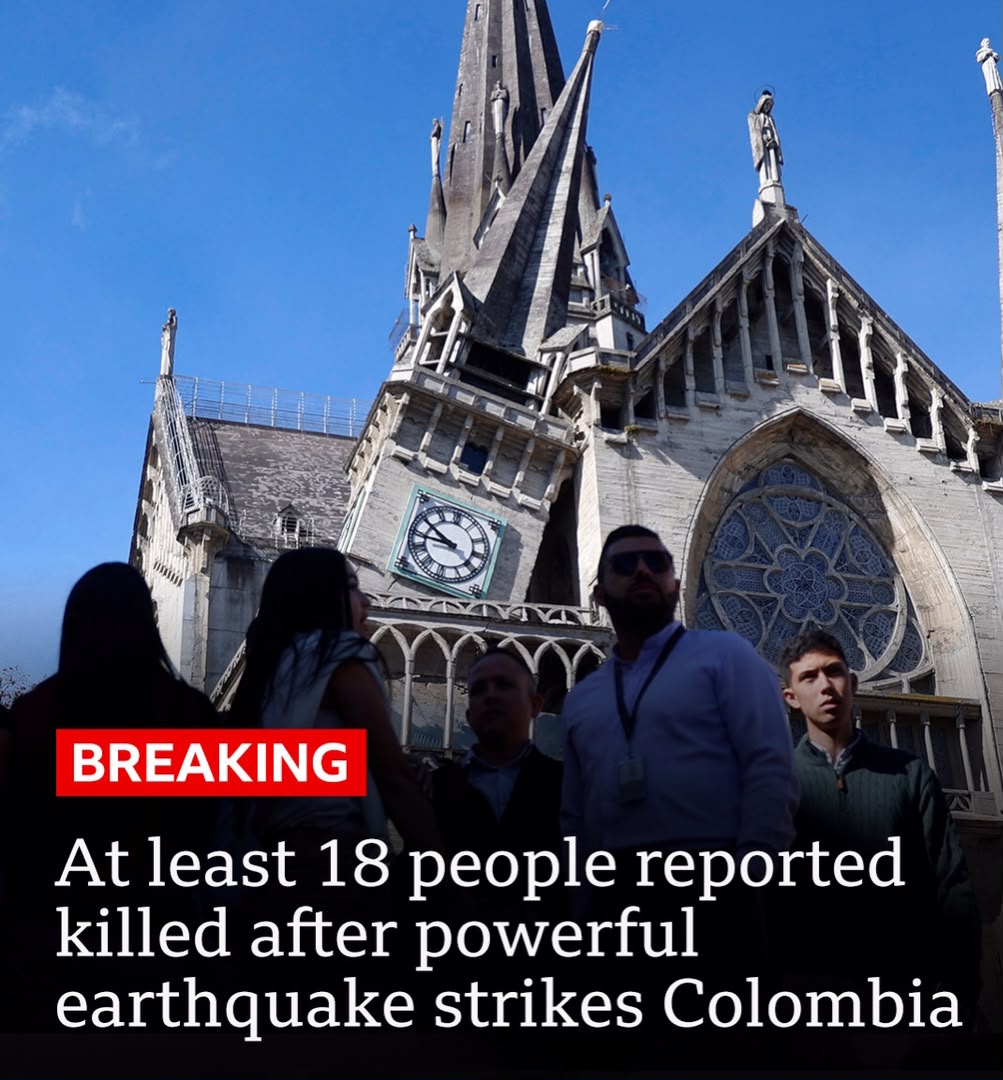
Colombia Earthquake: Death Toll Rises as Powerful 7.4-Magnitude Quake Hits Western Region At least 18 people were initially reported dead after a powerful 7.4-magnitude earthquake struck western Colombia, causing buildings to collapse and forcing residents to flee into the streets. The earthquake struck on Monday, August 10, with the strongest effects reported in and around the city of Pereira in Colombia’s coffee-growing region. Pereira Mayor Mauricio Salazar said 18 people had been killed in the city, while rescue teams continued searching damaged buildings for people who could still be trapped under the rubble. Later reports put the overall national death toll at at least 22, with fatalities also recorded in Manizales and Buenaventura. The earthquake was powerful enough to be felt across a large part of Colombia, including the capital, Bogotá.
Residents in several cities rushed out of buildings as the ground shook, while authorities ordered or encouraged evacuations from vulnerable structures as a precaution. Colombia’s disaster authorities said the earthquake was felt across nine departments and all 32 departmental capitals, highlighting the extensive reach of the tremor. Tremors were also felt in neighbouring countries, including Venezuela and Ecuador. Pereira was among the worst-hit areas, with multiple buildings damaged and people reportedly trapped inside collapsed structures. In Cali, more than two dozen structures were reported to have collapsed or suffered serious damage, prompting emergency teams to begin search-and-rescue operations. Rescue personnel from Bogotá and Medellín were also mobilised to support local emergency workers. Officials warned that the situation remained fluid as teams assessed damage and searched affected areas. The earthquake also disrupted transportation, with airports in Pereira and Manizales temporarily closed to allow authorities to inspect runways and facilities for possible damage. Authorities were also monitoring infrastructure across affected communities, including roads, buildings and other critical facilities. The closures were part of wider safety measures implemented following the earthquake. Emergency agencies have urged residents to remain cautious as rescue and assessment operations continue. Officials are also watching for aftershocks, which can further weaken already damaged buildings and create additional dangers for residents and rescue workers.
No tsunami threat was issued following the earthquake.
For many residents, the immediate priority remained finding missing relatives, helping those injured and assessing the safety of homes and other buildings Emergency teams continued working in affected areas as the scale of the destruction became clearer. With reports of people potentially trapped beneath rubble, rescue workers were concentrating efforts on damaged structures while authorities appealed for calm. The earthquake has triggered one of Colombia’s major emergency responses of the year, with the government and local authorities coordinating search, rescue and recovery operations. As assessments continue, officials have warned that the death toll and damage figures could change as rescuers reach more affected areas.