China’s Internet Sees Unusual Claims That A Famous Dynasty Never Existed
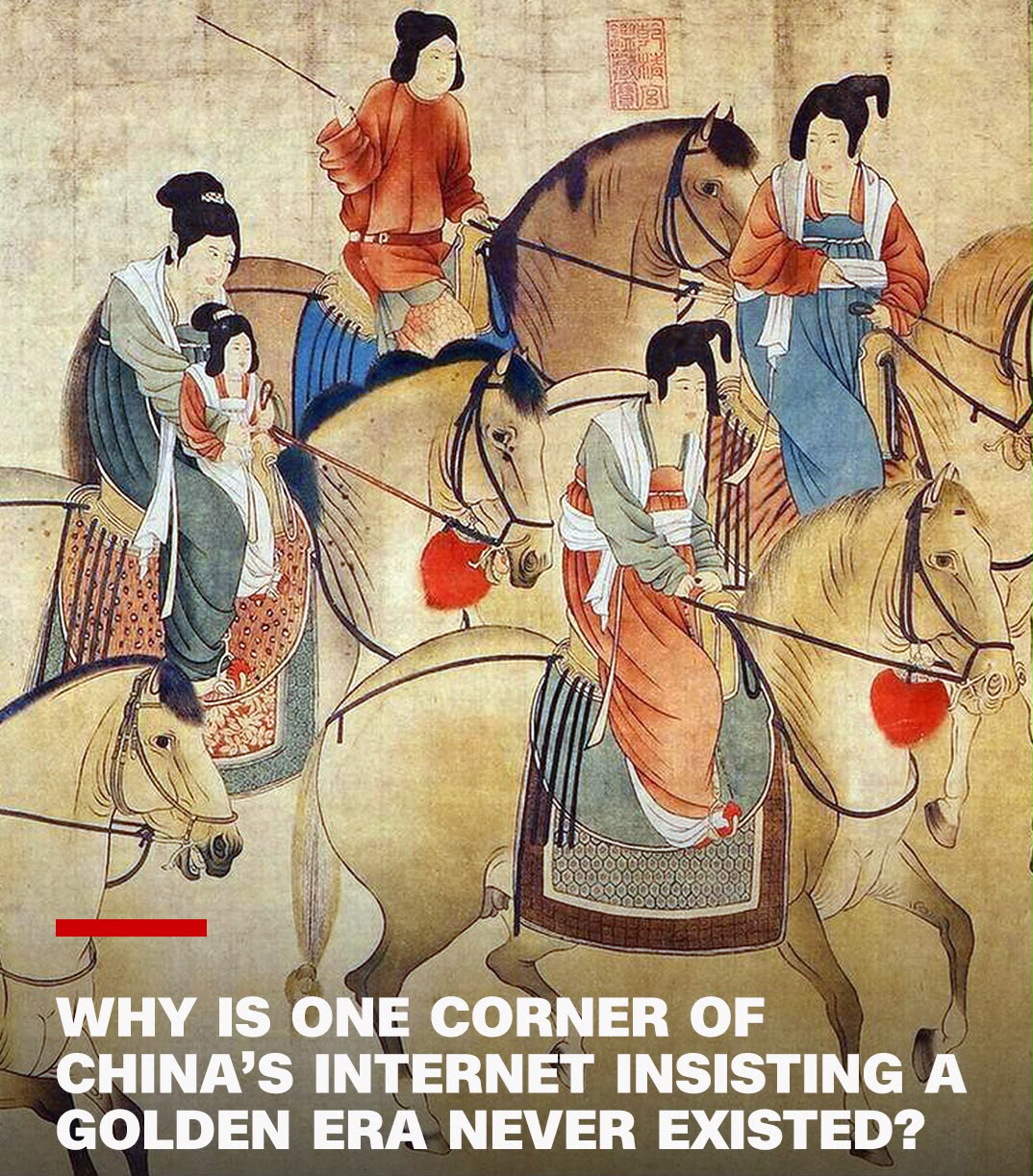
China’s Internet Sees Unusual Claims That a Famous Dynasty Never Existed Something unusual has been unfolding on China’s tightly controlled internet, where a small but increasingly vocal online community has begun questioning one of the country’s most familiar historical narratives. The group is promoting the extraordinary claim that one of China’s most famous dynasties never actually existed, challenging accounts of the country’s history that have been taught and documented for generations. The debate has drawn attention because historical narratives in China are closely connected to national identity, education and the state’s broader interpretation of the country’s past. China has one of the world’s longest recorded histories, with successive dynasties forming a central part of the traditional understanding of the country’s political and cultural development. For most Chinese people, these dynasties are not simply distant historical periods. They are embedded in school textbooks, museums, television dramas, literature, tourism and popular culture. The emergence of online communities questioning the existence of a major dynasty therefore represents more than an argument about ancient history. It raises questions about how historical knowledge is created, preserved and challenged in the digital age. The claims have circulated through China’s online ecosystem, where users can form niche communities around alternative interpretations of history. China’s internet is heavily regulated, with authorities routinely monitoring and restricting content considered politically sensitive or socially destabilising. Yet historical discussions can sometimes gain traction in unexpected ways, particularly when they are framed as intellectual debate rather than direct political criticism. The result is a curious phenomenon: a small online community questioning a historical account that has long been treated as established fact Historical legitimacy has particular importance in China. The Communist Party frequently presents the country’s modern development as part of a much longer historical story, linking contemporary China to earlier periods of civilisation and political unity. The country’s dynastic history also plays a major role in the concept of a continuous Chinese civilisation. That makes challenges to established historical narratives potentially sensitive, even when the people making the claims are primarily interested in history rather than contemporary politics. It is important to distinguish online historical speculation from established academic research. The fact that a theory becomes popular in an online community does not make it historically credible. China’s ancient history is extensively studied through written records, archaeology, inscriptions, coins, architecture, manuscripts and other material evidence. Claims that a major dynasty was entirely fabricated would therefore require substantial evidence and would face scrutiny from historians and archaeologists. The online debate is nevertheless significant because it demonstrates how social media can allow fringe interpretations to reach audiences that traditional academic institutions might never reach. The development is also part of a wider global trend in which online communities challenge established accounts of history, science and politics. Digital platforms make it easier for people with unconventional theories to find one another, develop shared narratives and interpret evidence outside established institutions. In China’s case, however, the phenomenon unfolds within a much more controlled internet environment. That makes the emergence and persistence of such a community particularly noteworthy. The unusual historical debate ultimately raises a broader question about the relationship between history, identity and the internet. For generations, historical knowledge was largely transmitted through schools, books, museums and established scholars. Online communities have changed that process, allowing ordinary users to question accepted narratives and build alternative explanations of the past. Whether the claims about China’s dynasty are ultimately dismissed or continue to gain followers, the controversy illustrates how dramatically the internet is changing the way people engage with history. And in a country where historical memory is closely tied to national identity, even a small online movement questioning the existence of a famous dynasty can become a surprisingly consequential cultural story.