Atiku Seeks Global Attention On Nigeria’s Security, Governance, Economic Crises
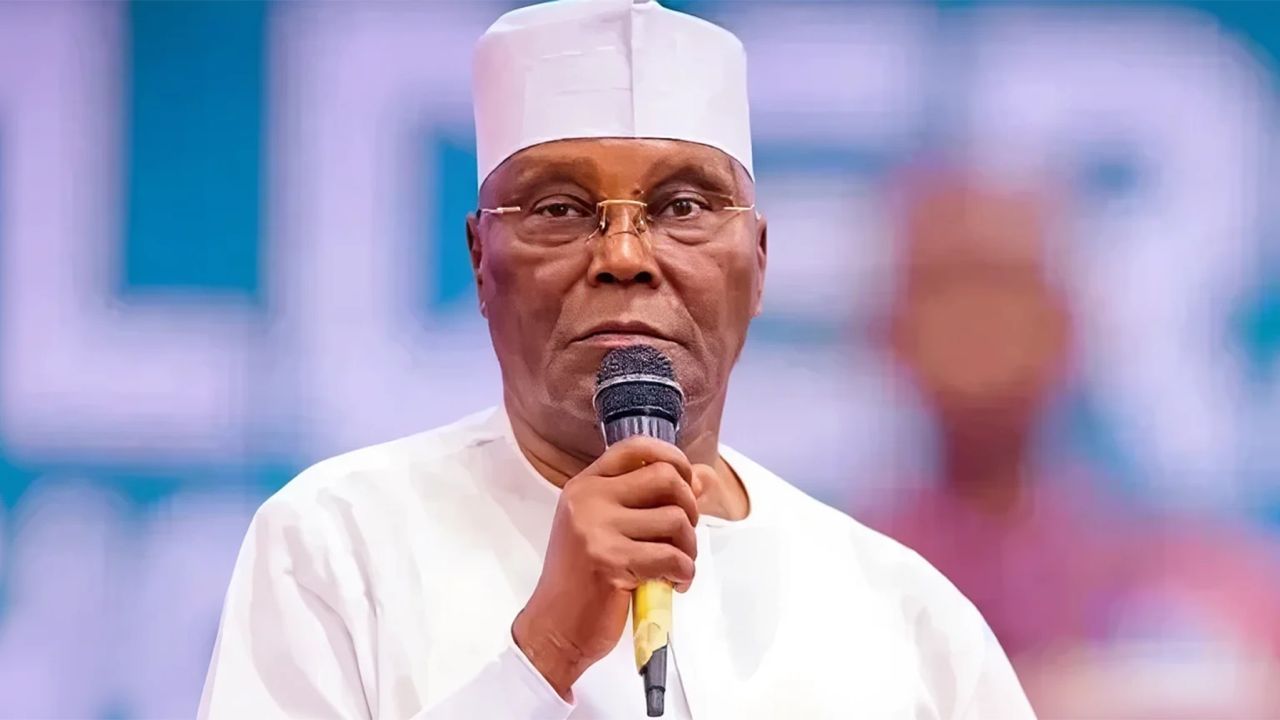
Atiku Seeks Global Attention On Nigeria’s Security, Governance, Economic Crises Former Vice-President Atiku Abubakar has taken Nigeria’s worsening security, governance and economic challenges to the international stage, warning that the country faces deepening instability amid a fractured opposition struggling to mount a credible challenge ahead of the 2027 general elections. Atiku’s renewed global advocacy comes as internal divisions among opposition political parties continue to weaken coordinated resistance against President Bola Ahmed Tinubu, raising concerns about the future competitiveness of Nigeria’s democratic landscape. Speaking during engagements with international stakeholders, Atiku expressed concern over what he described as deteriorating governance standards, escalating insecurity and economic hardship affecting millions of Nigerians. He argued that Nigeria’s challenges now require sustained global attention, noting that insecurity, inflation, unemployment and institutional weaknesses have combined to create widespread public frustration. According to him, democratic accountability and effective governance remain essential to restoring citizens’ confidence and attracting investment needed to stabilise the economy. Atiku maintained that Nigeria risks losing economic momentum unless urgent reforms are pursued to strengthen institutions, improve transparency and address persistent security threats across several regions of the country. Political observers say Atiku’s international engagement highlights growing concerns within opposition ranks over their ability to present a united front against the ruling All Progressives Congress in the next presidential election. Analysts note that disagreements among opposition leaders, party defections and competing ambitions have slowed efforts to build a strong coalition capable of challenging the incumbent administration. The absence of cohesion among major opposition blocs has created uncertainty about whether they can effectively mobilise voters or consolidate political influence before 2027. Atiku emphasised that Nigeria’s economic situation remains fragile, citing rising living costs, currency pressures and declining purchasing power among citizens. He called for policies that prioritise economic recovery, job creation and improved social welfare, stressing that governance must focus on delivering measurable benefits to ordinary Nigerians rather than political rivalry. He also warned that persistent insecurity could undermine democratic stability and discourage both domestic and foreign investment if not decisively addressed. The former presidential candidate’s international outreach is widely interpreted as an early strategic move toward the 2027 elections, positioning himself and the opposition within global conversations about democracy and governance in Africa. However, analysts argue that without internal reconciliation and alliance-building among opposition parties, such advocacy may struggle to translate into electoral strength against the ruling government. As Nigeria moves closer to another election cycle, the ability of opposition forces to overcome divisions may ultimately determine whether President Tinubu faces a formidable political contest or retains a significant advantage.