Tinubu Pushes For Stronger Tax Compliance To Fund Infrastructure As Obi Questions Revenue Gains Amid Hardship
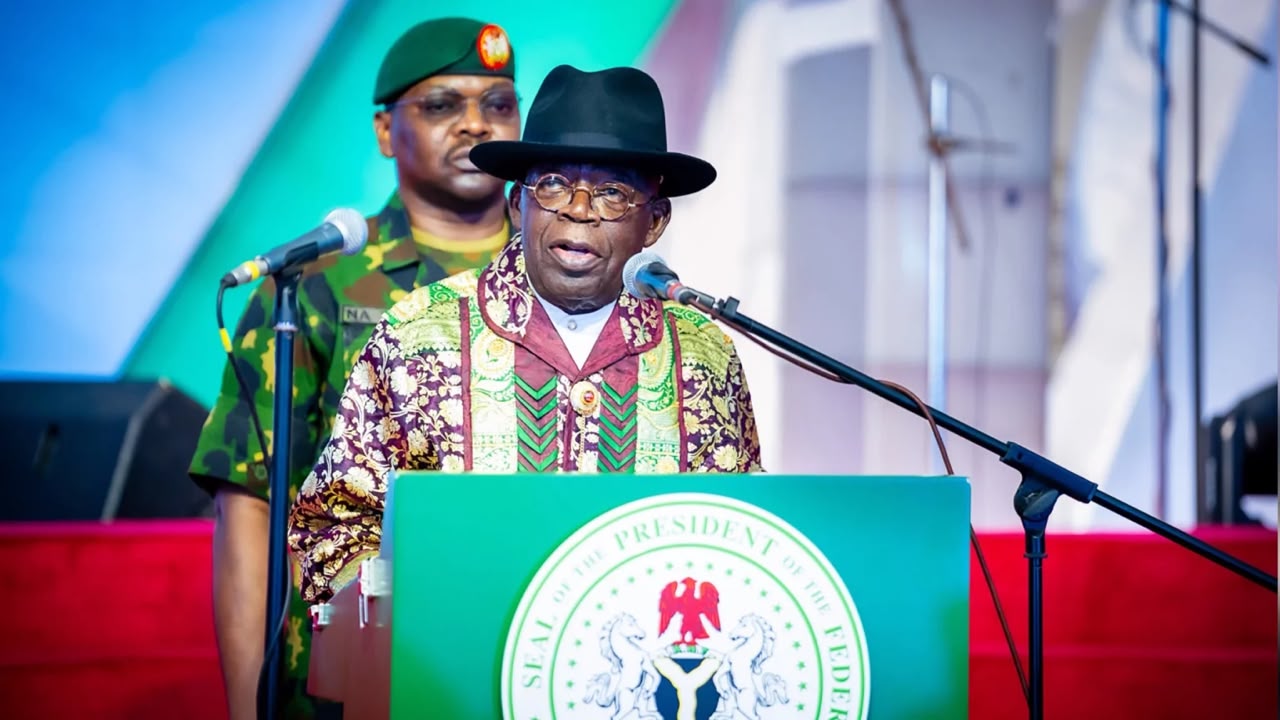
Tinubu Pushes for Stronger Tax Compliance to Fund Infrastructure as Obi Questions Revenue Gains Amid Hardship President Bola Tinubu has called for improved tax compliance and broader revenue mobilisation to support infrastructure development and economic growth, while opposition leader Peter Obi has questioned why increased government revenue has not translated into better living conditions for Nigerians. Speaking on the need for stronger fiscal reforms, Tinubu argued that expanding the tax base and improving compliance are critical to generating the resources required for infrastructure, healthcare, education and other development priorities. The administration has repeatedly maintained that higher domestic revenue is necessary to reduce dependence on borrowing and finance long-term national development. The President’s position comes amid ongoing reforms aimed at overhauling Nigeria’s tax system and improving government revenue collection. Officials have cited significant increases in federally generated revenue over the past three years as evidence that the reforms are yielding results. However, former Anambra State governor and presidential candidate, Peter Obi, has challenged the administration’s economic narrative, arguing that rising revenues have coincided with worsening hardship for millions of Nigerians. According to Obi, the Federal Government reported an increase in revenue from about ₦16.8 trillion in 2022 to approximately ₦35 trillion in 2025, yet public debt has continued to rise significantly. Obi questioned why borrowing levels have increased despite the reported surge in revenue, claiming that Nigeria’s total debt stock has expanded substantially over the same period. He argued that stronger revenue performance should ordinarily reduce reliance on debt financing. The former governor also pointed to what he described as deteriorating socio-economic indicators, including rising poverty levels, unemployment and declining purchasing power. He contended that many Nigerians have not felt the benefits of the government’s fiscal reforms despite official reports of improved revenue generation. “The question Nigerians are asking is: where did all the money go?” Obi said, calling for greater transparency and accountability in the management of public finances. He urged the Federal Government to provide a detailed explanation of how revenues generated since 2023 have been utilised. The Presidency and supporters of the administration have defended the government’s economic policies, arguing that major reforms—including fuel subsidy removal, exchange-rate adjustments and tax restructuring were necessary to stabilise the economy after years of fiscal pressures. They also note that debt figures reflect both inherited obligations and the impact of currency movements on external debt valuations. The debate highlights growing political and economic tensions over the effectiveness of Nigeria’s reform programme. While the government maintains that improved tax compliance and revenue generation are essential for funding infrastructure and sustaining growth, critics argue that ordinary citizens continue to face severe cost-of-living pressures and deserve clearer explanations about the management of public resources. As discussions over taxation, public debt and economic reforms continue, analysts say the challenge for policymakers will be demonstrating that increased revenues are producing measurable improvements in infrastructure, public services and living standards across the country.