UAE Resident Warns Water Scarcity Is An Ever‑present Fear As Middle East Water Security Risks Rise
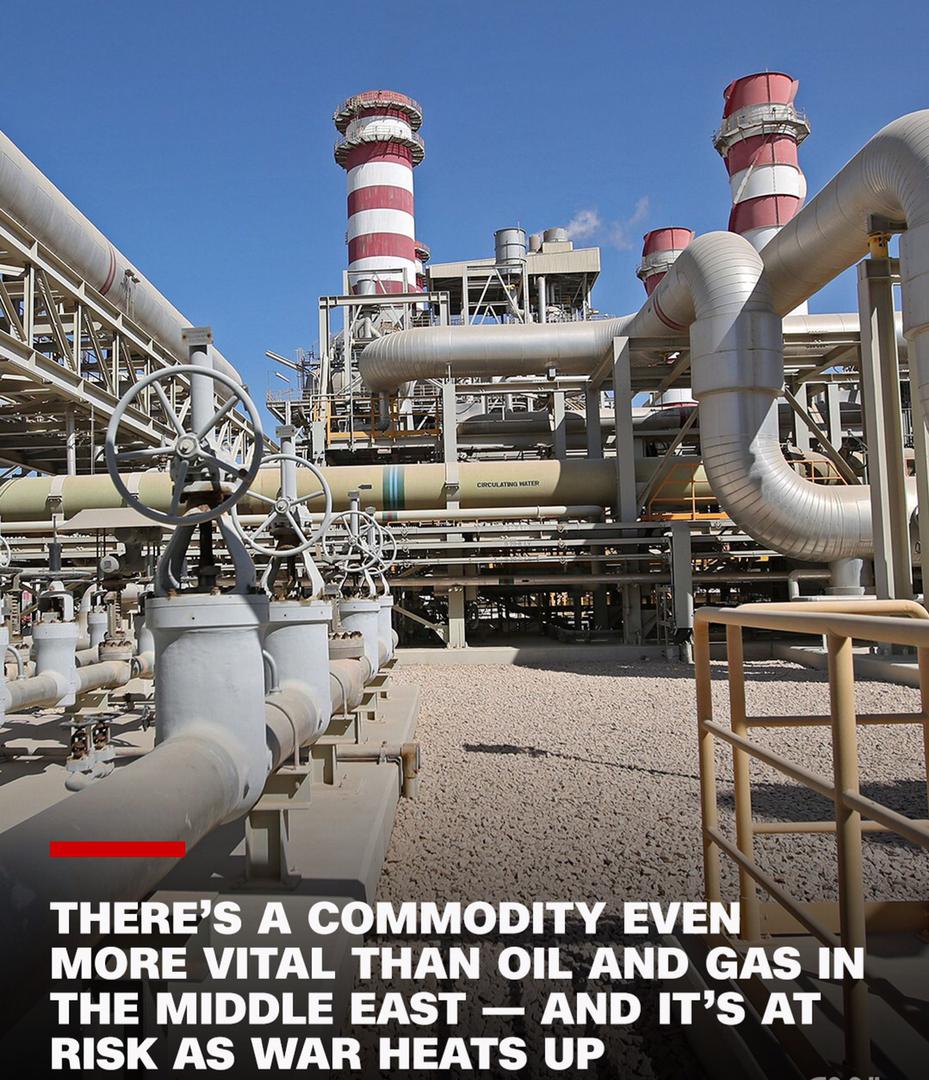
UAE resident warns water scarcity is an ever‑present fear as Middle East water security risks rise On some particularly bad, sleepless nights, Sofia, a resident of the United Arab Emirates, finds herself lying awake worrying about whether the taps might run dry a fear rooted in the stark reality of living in one of the driest parts of the world. “We are, at the end of the day, in a desert,” she said, underlining how water is the basis of survival even in oil‑rich Gulf states where energy dominates economic life. Her comments reflect growing anxiety among residents across the Gulf about water security, as the region’s dependence on desalinated seawater and increasingly fragile infrastructure comes under threat amid broader regional tensions The Persian Gulf region depends heavily on desalination to meet its freshwater needs a necessity in a landscape with minimal rainfall and virtually no natural rivers or lakes. Major cities in the Gulf, including in the UAE, rely on desalinated seawater to sustain urban life and economic activity. Experts warn that disruption to desalination plants through conflict, climate stresses, or infrastructure failure could quickly push this delicate balance toward crisis. Because natural freshwater sources are so limited, taps could indeed run dry within days if key facilities were knocked offline, said water security analysts. The anxiety highlighted by Sofia comes as strikes and military actions in the region have raised concerns about infrastructure vulnerability. Desalination plants situated along coasts near ports and energy facilities are in proximity to conflict zones, and some have been reportedly affected by nearby attacks. The region’s stark desert climate, compounded by climate change impacts, also intensifies pressure on water resources. The UAE’s hot, arid environment and declining rainfall patterns make water security an ongoing challenge, prompting innovations such as desalination expansion and water‑innovation strategies. For residents like Sofia, the fear of running out of drinking water is not abstract. It is tied to the reality of living in a desert nation dependent on technology and imported resources to secure life’s most basic need. Her concern is echoed by experts who say that water not oil may be the most vulnerable resource in the Middle East if key infrastructure fails or is disrupted.As water becomes an increasingly strategic and potentially vulnerable commodity in the region, policymakers and communities alike are confronting new debates over resource protection, conservation, and resilience in the face of mounting environmental and geopolitical pressures.
More developments on water security in the Gulf are expected as regional and global responses evolve.