Wolin Island’s Secret Bunkers From Nazi Defences To Cold War War Plans
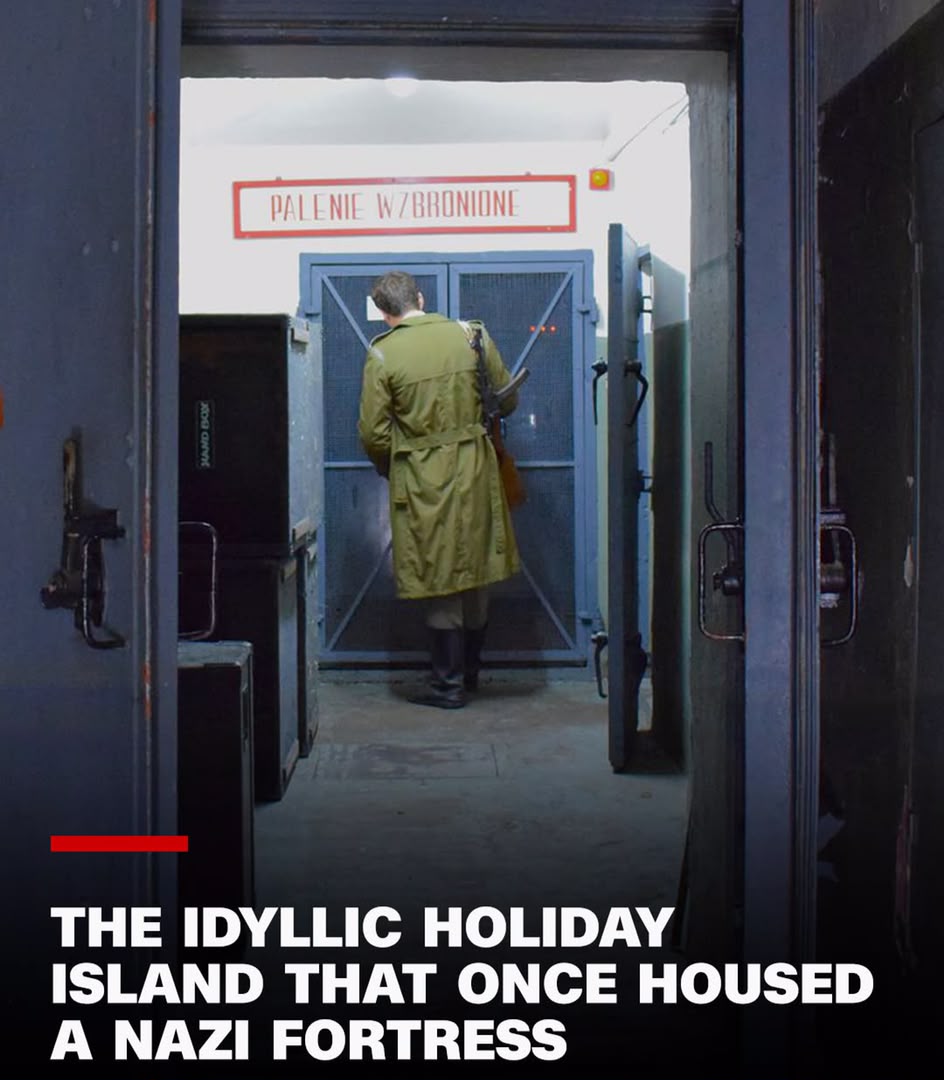
Wolin Island’s Secret Bunkers: From Nazi Defences to Cold War War Plans Hidden beneath the forests of Wolin Island on Poland’s Baltic coast is a network of tunnels and military bunkers that reflects some of the most turbulent chapters of modern European history. Originally constructed by Nazi Germany as part of its coastal defence system during World War II, the underground complex later acquired a new purpose under communist Poland. During the Cold War, Polish military planners incorporated the site into preparations for a potential conflict with the West, including plans involving an invasion of Scandinavia. The fortifications were designed to provide protection, conceal military equipment and personnel, and allow forces to operate while remaining shielded from enemy attack.After the Second World War, control of the area passed to Poland. The island subsequently became part of the country’s wider Cold War military infrastructure, reflecting the strategic importance of Poland’s Baltic coastline. Wolin itself lies in Poland’s West Pomeranian Voivodeship and is one of the country’s major Baltic tourist destinations. Today, the once-secret military installations have a very different role. Parts of the underground network have been preserved and opened to visitors, allowing tourists to explore tunnels and bunkers while learning about the site’s wartime and Cold War history. The transformation from restricted military facility to tourist attraction is part of a broader trend in Poland, where former Nazi and communist-era military sites have become destinations for historical and “dark” tourism. For visitors, the tunnels offer more than an underground adventure. They provide a physical reminder of how the same landscape was repeatedly reshaped by competing military powers and changing political alliances throughout the 20th century. Wolin’s bunkers therefore stand as an unusual historical time capsule built for one war, repurposed for another possible conflict, and ultimately opened to the public as Europe moved into a very different era.