Why Critics Say CAF’s Decision To Strip Senegal’s AFCON Title And Award It To Morocco Is Illegal
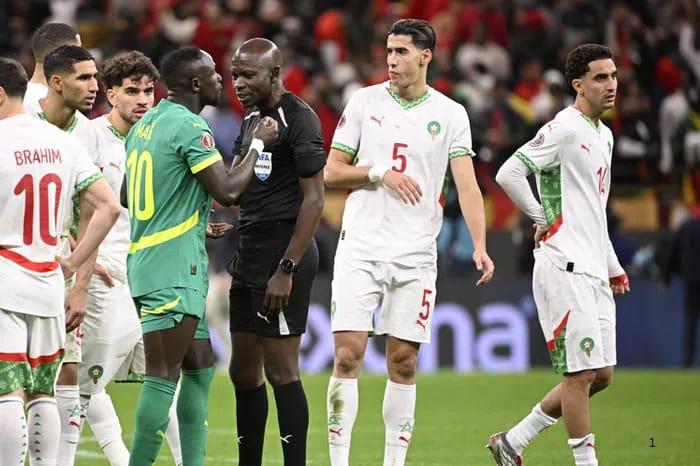
Why critics say CAF’s decision to strip Senegal’s AFCON title and award it to Morocco is illegal The Confederation of African Football’s (CAF) decision on 17 March 2026 to overturn the result of the 2025 Africa Cup of Nations (AFCON) final stripping Senegal of the title and declaring Morocco champions has drawn widespread anger and allegations that the ruling is illegal, unjust and procedurally flawed. On 18 January 2026 in Rabat, Senegal defeated hosts Morocco 1–0 after extra time to claim their second AFCON crown. The match was controversial, marked by a temporary walk‑off protest by Senegalese players after a disputed penalty decision. CAF’s Appeal Board later ruled that the protest constituted a breach of disciplinary regulations, declared Senegal to have forfeited the final, and recorded a 3–0 win for Morocco, retroactively awarding the North Africans the championship. Some sports analysts and legal observers argue that CAF’s post‑match reversal conflicts with established football law and the Laws of the Game used by FIFA and national associations worldwide. They contend that:
- Referee authority on match day is final: Under the Laws of the Game, the referee’s decisions on facts connected with play, including conduct reactions and protests, are final and cannot be overturned after the match. Critics say CAF’s action undermines this principle by changing the outcome long after on‑field decisions were made.
- Match was completed in full: Senegal’s team ultimately returned to complete the match and legitimately won. Critics maintain that once the contest resumed and finished under normal competitive conditions, the result should stand, regardless of prior protests.
- Retroactive forfeiture sets a dangerous precedent: By applying a forfeiture ruling weeks later, CAF is seen as granting itself retrospective powers that are not clearly grounded in competition rules as administered. This could open the door to future post‑fact legal revisions that replace on‑field outcomes with administrative results, critics warn.
The Senegalese Football Federation (FSF) and government have forcefully rejected CAF’s decision as illegal, deeply unjust and lacking legal basis. They argue that the action:
- Erases the result of a match played and decided on the field by players, coaches, officials and referees in front of tens of thousands of fans.
- Violates principles of fairness, loyalty and sporting integrity by allowing regulatory technicalities or subjective interpretations to erase a legitimate championship.
- Could undermine confidence in African football governance if left unchallenged. Senegal has pledged to appeal the CAF ruling to the Court of Arbitration for Sport (CAS) and has even called for an independent international investigation into alleged irregularities and possible corruption surrounding the decision. Government officials underscored that this unprecedented reversal not only tarnishes Senegalese football but also could dent CAF’s credibility across the continent. Senegalese players and supporters have also condemned the decision. Star player Sadio Mané described the outcome as symptomatic of “too much corruption” in African football, arguing that it undermines the passion and effort invested by players and fans alike. CAF maintains that its Appeal Board acted in accordance with the AFCON Competition Regulations, particularly Articles 82 and 84, which state that a team leaving the field without referee authorisation must be considered to have forfeited the match and be eliminated from the competition. CAF’s formal ruling cited these clauses as the legal justification for overturning the result and awarding Morocco a 3–0 victory.
The dispute now moves beyond the pitch to legal arenas, where Senegal’s appeal to CAS could determine whether CAF’s decision stands or is overturned. Sports law experts note that:
- CAS decisions carry binding international legal weight that could set a precedent for how continental bodies enforce their rules after matches are completed.
- A CAS reversal may vindicate Senegal and raise questions about CAF’s governance processes, transparency and adherence to universal football law.
- A CAS confirmation of CAF’s ruling, however, would affirm continental autonomy in interpreting competition regulations, though it may still leave stakeholders questioning fairness and consistency.
The decision by CAF to strip Senegal’s AFCON title and award it to Morocco remains one of the most controversial rulings in African football history. Critics call it illegal, contradictory to football’s established legal norms, and potentially damaging to the sport’s integrity on the continent. As Senegal prepares its appeal to CAS, the future of the 2025 AFCON title and the broader credibility of CAF’s disciplinary processes hangs in the balance.