Tinubu Faces 2027 Pushback As Opposition Targets Strongholds Amid Economic Hardship
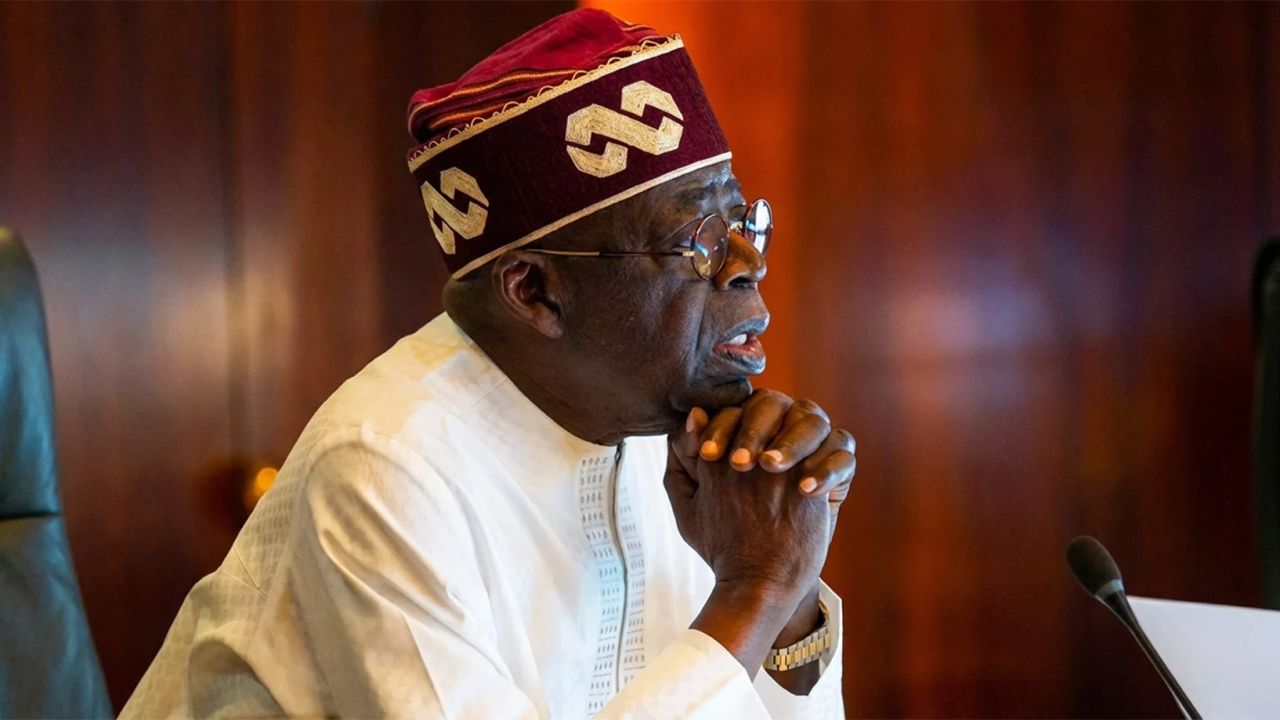
Tinubu Faces 2027 Pushback as Opposition Targets Strongholds Amid Economic Hardship Nigeria’s 2027 presidential race is reshaping regional loyalties as opposition alliances challenge President Bola Ahmed Tinubu over inflation, insecurity and voter dissatisfaction across key voting blocs. Nigeria’s political landscape is entering an intense realignment ahead of the 2027 presidential election, with opposition coalitions attempting to weaken the dominance of President Bola Ahmed Tinubu and the ruling All Progressives Congress APC across traditional regional strongholds. The emerging contest is increasingly shaped by economic hardship, inflation, fuel subsidy reforms, insecurity and shifting voter sentiment, particularly among urban youths and economically vulnerable communities. Analysts say these pressures are redefining political loyalties that once appeared firmly rooted in ethnic and regional affiliations. Recent opposition negotiations involving figures such as Peter Obi, Atiku Abubakar and Rabiu Musa Kwankwaso initially raised expectations of a united front capable of challenging Tinubu’s reelection ambitions. However, internal disagreements, legal disputes and factional rivalries have complicated coalition efforts. According to Reuters, the opposition alliance suffered a major setback after Obi and Kwankwaso distanced themselves from the ADC-led coalition, citing mistrust and internal conflicts. Political observers warn that continued fragmentation may split opposition votes and strengthen the APC’s incumbency advantage. Despite these divisions, opposition strategists continue targeting regions once considered safe APC territory, including parts of the North-West and South-West, where economic pressures and public frustration over living costs have intensified political debate.
Within the APC, preparations for the 2027 contest are already accelerating. Party officials recently reaffirmed internal primary schedules while President Tinubu urged members to avoid “do-or die politics” as campaigns gradually take shape nationwide. Northern political dynamics are also becoming increasingly sensitive. Some APC stakeholders have framed opposition to Tinubu’s second-term bid as contrary to northern political interests, reflecting the broader regional calculations likely to influence the election. Political analysts note that the 2027 election may become one of Nigeria’s most competitive democratic contests since 2015, when an opposition merger unseated an incumbent president for the first time in the country’s history.
- Bola Ahmed Tinubu Incumbent president seeking reelection under the APC.
- Peter Obi Influential opposition figure with strong youth support.
- Atiku Abubakar Veteran opposition leader pushing coalition talks.
- Rabiu Musa Kwankwaso Northern political heavyweight and former presidential candidate.
- Rising inflation and cost of living
- Fuel subsidy removal fallout
- Regional political realignments
- Opposition coalition instability
- Youth voter dissatisfaction
- Security concerns and governance performance