President Bola Ahmed Tinubu Has Officially Launched The National Emergency
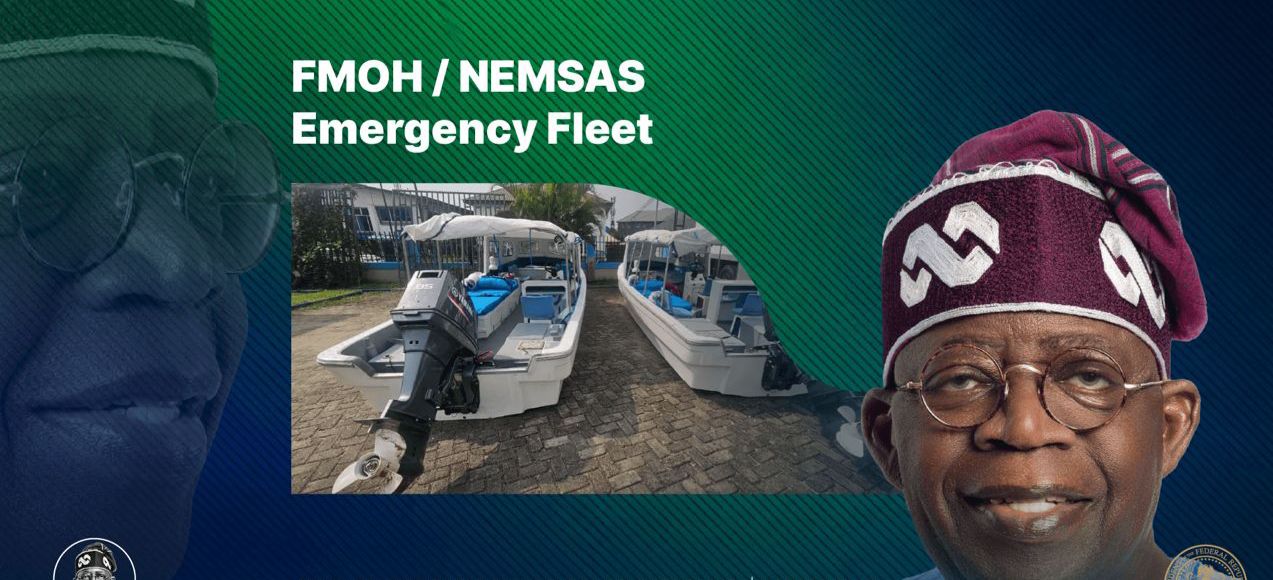
President Bola Ahmed Tinubu has officially launched the National Emergency Medical Services and Ambulance System NEMSAS National Emergency Response Fleet in Abuja, describing it as a major step toward strengthening emergency healthcare delivery across Nigeria. The launch, held at the Federal Ministry of Health headquarters, introduced what officials described as the largest single-day deployment of emergency transport in the country’s history, aimed at improving rapid medical response and reducing preventable deaths, especially in rural and hard-to-reach areas. According to the announcement, the fleet includes 145 tricycle ambulances, six boat ambulances for riverine communities, and 79 brand-new emergency ambulances allocated to federal hospitals across the country. The initiative also comes with supporting logistics equipment, including 45 laptops, 20 printers, and 320 mobile phones to enhance coordination and emergency response tracking. NEMSAS, established under the National Health Act, serves as the operational arm of the National Emergency Medical Treatment Committee. Officials said the system is designed to improve emergency response times and ensure patients can access urgent care regardless of location or terrain. A key component of the rollout is the “SAVEMAMA” programme, which targets pregnant women, newborns, and emergency patients in underserved communities. The programme is expected to use the newly deployed fleet to provide faster medical evacuation across roads, waterways, and remote areas where access to healthcare is often limited. Health authorities say the initiative is part of broader reforms aimed at reducing maternal and infant mortality rates in Nigeria, which remain among the highest globally. By improving emergency transport infrastructure, the government hopes to bridge gaps in access to timely medical intervention. Officials at the launch said the system will also rely on digital coordination tools to track emergencies in real time, improve dispatch efficiency, and connect patients more quickly to the nearest capable healthcare facilities. The government described the deployment as a milestone in Nigeria’s health sector reform agenda, with expectations that it will significantly improve survival rates in critical emergency situations nationwide.