The United States Government Has Announced Plans To Deploy Approximately
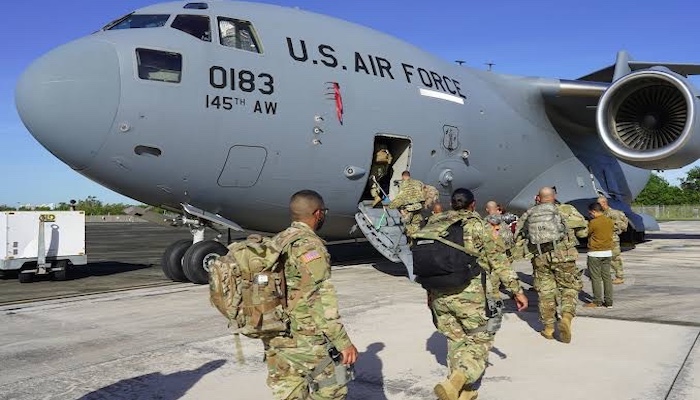
The United States government has announced plans to deploy approximately 200 military personnel to Nigeria as part of a training and advisory mission aimed at boosting the Nigerian military’s capabilities in combating terrorism, insurgency, and armed group violence across the West African nation.
Deployment Details & Mission Purpose
The planned deployment coming at the invitation of the Government of Nigeria is designed to provide training, technical support, intelligence coordination and operational advice to the Nigerian Armed Forces. According to both U.S. and Nigerian officials, the troops will not engage in direct combat, and all command authority will remain with Nigeria
Major General Samaila Uba, spokesman for the Nigerian Defence Headquarters, confirmed that the deployment will supplement a small team of U.S. military personnel already in the country who have been assisting Nigerian forces with targeting and intelligence support following recent joint operations and airstrikes.
The mission stems from long‑standing military cooperation between the two countries and reflects a deeper strategic partnership in addressing shared security challenges posed by Islamist militants including Boko Haram, Islamic State West Africa Province (ISWAP) and other violent armed groups operating predominantly in northern and central Nigeria.
The announcement arrives against the backdrop of NATO‑aligned pressure and increased U.S. engagement in the region following airstrikes ordered by U.S. President Donald Trump targeting militant positions in Nigeria in late 2025, including operations conducted around Christmas Day. Nigeria had previously resisted characterisations of persistent violence as religious persecution, stressing instead that its military targets groups that harm both Muslim and Christian civilians.
Experts say the 200‑troop deployment represents an escalation of U.S. military cooperation with Nigeria, focusing on enhancing Nigeria’s operational capacity rather than inserting American forces into combat roles. Mission Focus & Capabilities
According to a spokesperson for U.S. Africa Command (AFRICOM), the deployed troops will: Provide advanced training in counter‑insurgency tactics and coordination between air and ground operations. Offer technical and strategic advice to improve Nigerian military planning and execution against militant threats.
Assist with intelligence integration and operational support during complex missions. Nigeria’s Defence Headquarters emphasised that the mission respects the country’s sovereignty, operating under bilateral agreements that prioritize capacity building rather than foreign operational control. Domestic & International Reactions Reactions to the troop deployment have been mixed:
Nigerian officials have welcomed the move as a way to strengthen domestic security forces amid a long‑running security crisis involving terrorism, banditry, and communal violence.
U.S. authorities have framed the deployment as part of a broader, long‑term partnership to address regional threats and instability.
Some commentators and analysts, both within Nigeria and internationally, have raised questions about foreign troop presence, sovereignty concerns and the broader implications of U.S. military involvement in Nigeria’s internal security strategy.
Security Environment & Challenges
Nigeria continues to grapple with multiple, overlapping security threats: Boko Haram and ISWAP, entrenched in the northeast, persist with insurgent attacks on military and civilian targets.
Armed banditry and criminal networks disrupt communities, particularly in the northwest and central regions.
Ethno‑religious tensions and violence further complicate stabilization efforts in several states. The deployment of U.S. troops reflects a shared recognition between Abuja and Washington that improved military capacity and joint operational frameworks are vital to containing these threats and preventing further loss of life.