TAIWO OYEDELE: I RECEIVE DEATH THREATS OVER TAX REFORM IMPLEMENTATION
TAIWO OYEDELE: I RECEIVE DEATH THREATS OVER TAX REFORM IMPLEMENTATION
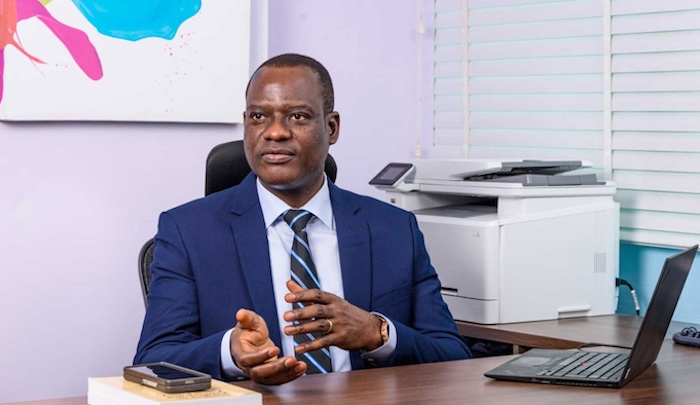
Abuja, Nigeria — Mr. Taiwo Oyedele, Chairman of the Presidential Committee on Fiscal Policy and Tax Reforms, has revealed that he has received death threats as a result of his role in driving Nigeria’s newly launched tax reform agenda. The disclosures came amid continued public debate over sweeping changes to the nation’s tax system, which the federal government commenced implementing on January 1, 2026.
The Threats and Challenges of Reform
Oyedele warned that structural reforms, especially in taxation, are inherently difficult given that they often “touch vested interests” and encounter resistance from groups benefiting from the old system.
He stated that the threats against him stem from his efforts to “fix a broken system,” noting that Nigeria’s tax revenues remain low compared to peer countries, making reform necessary.
Oyedele has repeatedly emphasized that tax reforms — including simplifying tax compliance and harmonizing revenue streams — are aimed at creating a fairer and more efficient fiscal system.
New Tax Laws Now in Effect
The federal government has simultaneously commenced four major statutes:
- Nigeria Tax Act 2025
- Nigeria Tax Administration Act 2025
- Nigeria Revenue Service Establishment Act 2025
- Joint Revenue Board Establishment Act 2025
These laws are intended to streamline tax collection, reduce confusion, and improve the ease of doing business, especially for youth-led enterprises and small businesses.
Call for Public Support
Oyedele urged Nigerians who understand and support the reforms to “speak up”, warning that silence allows negative narratives to dominate the public conversation.
He has also described the reforms as necessary to broaden the tax base and improve national development.
Context & Government Position
Kaduna State Governor Uba Sani backed the reforms as critical for sustainable national growth, calling on citizens — especially youths — to engage constructively and help promote responsible tax citizenship.
Meanwhile, Vice President Kashim Shettima spoke about the need for selflessness and courage in public service at a governance colloquium where Oyedele’s comments were made.
The new tax regime has sparked widespread public interest and debate, with various stakeholders urging engagement, dialogue, and phased implementation to ease resistance.
Why It Matters
Nigeria’s tax reforms represent one of the most significant overhauls of the country’s fiscal policy in years. Supporters argue they are essential for broadening the revenue base, improving accountability, and reducing over-reliance on oil revenue. Critics and some sections of the public, however, have questioned the timing, scale, and social impact of the reforms — contributing to heightened tensions.