ADC On Brink Of 2027 Exclusion As Court Battles, Deadline Draw Near
ADC on brink of 2027 exclusion as court battles, deadline draw near
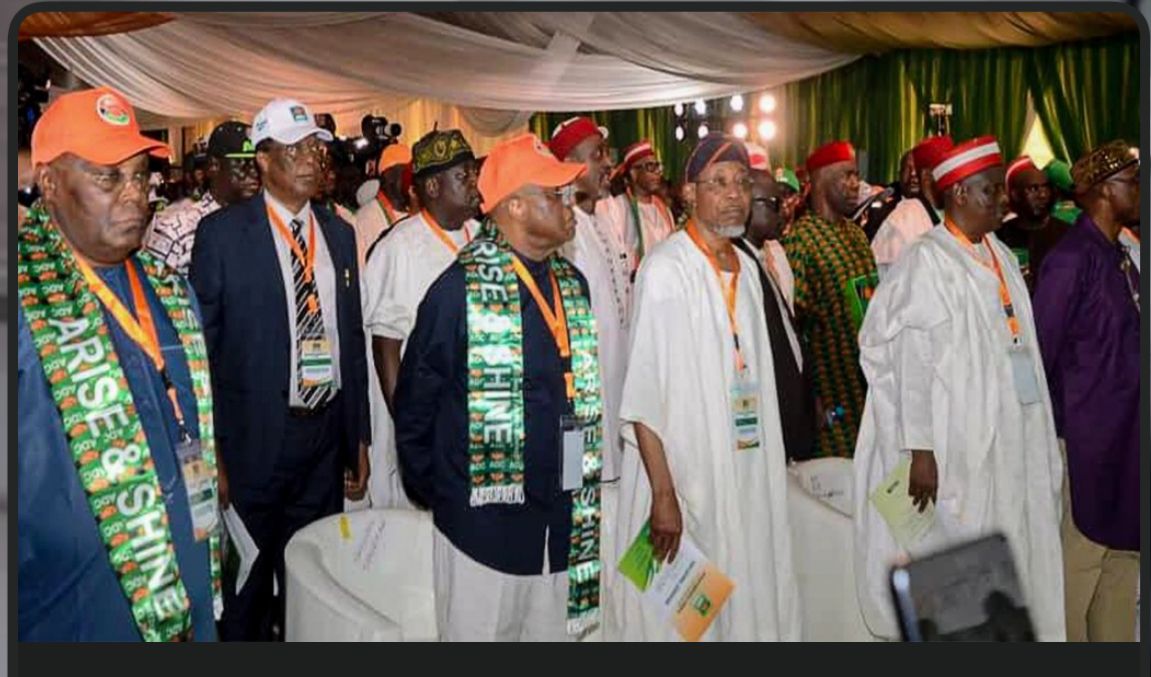
Legal disputes, leadership crisis and tight electoral timelines have placed Nigeria’s African Democratic Congress (ADC) in a precarious position, with concerns mounting that the party could be excluded from the 2027 general elections if it fails to resolve its internal conflicts within regulatory deadlines. The situation follows ongoing court cases challenging the legitimacy of the party’s leadership and national convention, alongside competing claims within the party structure. The disputes have created uncertainty over who has the legal authority to conduct primaries and submit candidates to the Independent National Electoral Commission (INEC). At the centre of the crisis is a series of lawsuits seeking judicial interpretation of the party’s leadership structure and the validity of its recent congresses and convention processes. Courts have ordered parties to maintain the status quo while substantive matters are heard, effectively freezing key administrative actions that would normally prepare the party for elections. The Supreme Court is also expected to play a decisive role in determining the outcome of the disputes. Observers say the unresolved cases could disrupt the party’s ability to meet INEC’s strict electoral timetable, especially if fresh congresses or leadership revalidation are ordered by the courts.
INEC has already released a detailed schedule for the 2027 elections, including deadlines for party primaries, submission of candidate lists, and completion of internal party processes.Under the timetable, parties are required to conclude primaries within a fixed window in 2026, with nomination submissions expected shortly afterward. Any party unable to meet these requirements risks being disqualified from contesting the elections. Electoral officials have repeatedly maintained that INEC will only recognise candidates produced by legitimate party leaderships and properly conducted primaries, warning that internal disputes cannot be accommodated beyond deadlines. The ADC is also grappling with internal leadership tensions, with factions within the party contesting authority over national structures and decision-making organs.
The dispute has raised questions about the party’s unity and operational control at both national and state levels. Aspirants and stakeholders within the party are reportedly обеспo concerned that prolonged instability could weaken its electoral preparedness. Analysts warn that the crisis could significantly weaken opposition politics ahead of 2027, particularly if the ADC fails to resolve its disputes in time to present a unified platform. The party has been positioned in recent political realignments as a potential coalition vehicle for opposition figures, but ongoing instability may undermine that role and push aspirants toward more stable political platforms. Some political observers also argue that the situation reflects broader challenges facing opposition parties in Nigeria, where internal litigation and factional struggles frequently interfere with electoral readiness. With court hearings still ongoing and deadlines approaching, stakeholders say the ADC’s participation in the 2027 elections now depends on rapid judicial resolution and swift internal reconciliation. Failure to achieve this, analysts warn, could result in the party being effectively locked out of the electoral process—not due to lack of political support, but because of procedural and legal non-compliance.