Supreme Court Rulings Reshape Opposition Landscape Ahead Of 2027 Elections
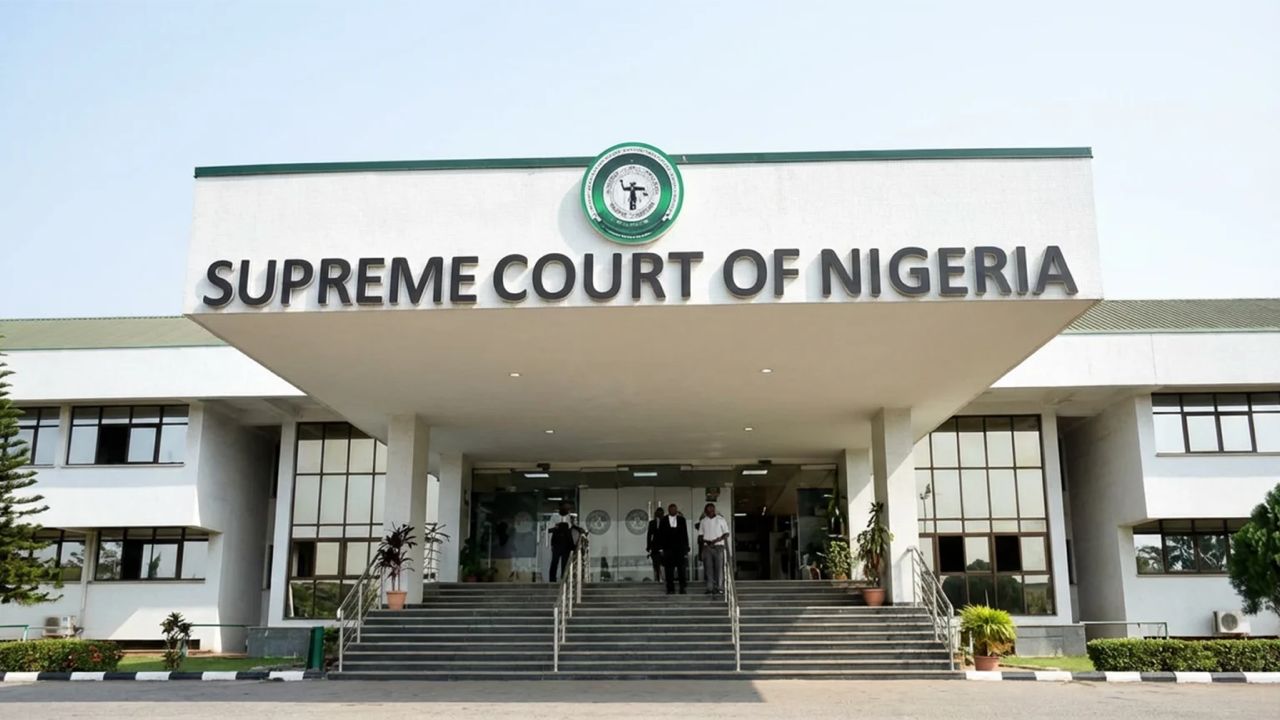
Supreme Court Rulings Reshape Opposition Landscape Ahead of 2027 Elections Nigeria’s opposition political space has been thrown into fresh uncertainty following a series of landmark judgments by the Supreme Court of Nigeria, which nullified key party decisions, declared certain leadership processes illegal, and reignited disputes within major opposition blocs ahead of the 2027 general elections. According to reports, the apex court invalidated the Peoples Democratic Party’s (PDP) 2025 national convention, ruling that the process failed to comply with constitutional and electoral provisions guiding internal party administration. The judgment effectively voided decisions and leadership structures emerging from the convention, creating renewed leadership uncertainty within the PDP at a time when opposition parties are attempting to reorganise against the ruling All Progressives Congress In a related decision, the court also held that the emergence of political figure Turaki through a disputed internal arrangement was unlawful. The ruling underscored the judiciary’s insistence on strict adherence to party constitutions and due process in leadership selection.
Legal analysts say the verdict reinforces judicial oversight of political parties, warning that internal irregularities could jeopardise parties’ eligibility and stability ahead of elections. The judgments further addressed lingering disputes within the African Democratic Congress ADC, a party increasingly viewed as a potential coalition platform for opposition figures preparing for the 2027 presidential race. The court’s pronouncements clarified some legal ambiguities but simultaneously exposed unresolved factional tensions within the party, leaving questions about candidate selection, party control, and alliance negotiations. Political observers note that opposition leaders including figures linked to emerging coalition talks must now navigate complex legal and organisational hurdles if they hope to present a unified challenge in 2027. While the Supreme Court decisions provided legal clarity on procedural disputes, they also deepened political uncertainty by dismantling existing structures without immediately resolving leadership rivalries.
Analysts argue that the rulings could trigger fresh alignments, defections, and negotiations among opposition parties as they seek viable platforms capable of competing nationally. With Nigeria’s next general elections approaching, the judgments highlight the growing role of the judiciary in shaping party politics. Experts warn that continued internal crises may weaken opposition coordination unless parties quickly rebuild legitimate leadership frameworks.
The coming months are expected to determine whether the opposition can consolidate around a credible structure or remain fragmented heading into one of Nigeria’s most consequential electoral contests.