Senate Orders Mandatory Stocking Of Antidote In Hospitals
by HEDNEWS on February 4, 2026
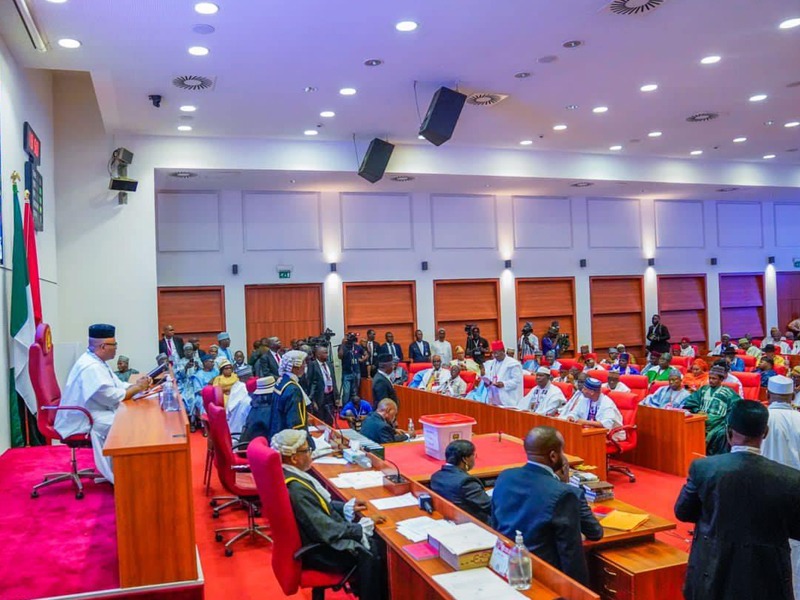
Senate Orders Mandatory Stocking of Antidote in Hospitals
Nigeria’s Senate takes urgent action to close gaps in emergency healthcare after a preventable death from snakebite; moves also include broader emergency response reforms and related constitutional review momentum.
- Senate Reacts to Deadly Snakebite Case
The Nigerian Senate, on Tuesday in Abuja, passed a resolution demanding the mandatory stocking of life-saving antidotes and emergency medicines in all public and private hospitals across the country. This action follows the tragic death of Miss Ifunanya Nwangene, who died after suffering a snakebite in Abuja an outcome lawmakers said was preventable with better emergency preparedness. - Motion Sponsored by Senator Idiat Oluranti Adebule (APC-Lagos West)
The motion cited growing cases of snakebites, poisoning, drug overdoses and similar emergencies, urging immediate improvements to the nation’s emergency healthcare system.
Senators observed a minute of silence to honor the deceased and underscored systematic failures that allow avoidable deaths. - Mandatory Antidote and Antivenom Policy
Lawmakers demanded that the Federal Ministry of Health and Social Welfare, in partnership with the National Agency for Food and Drug Administration and Control (NAFDAC), must:
- Develop and enforce national guidelines for minimum stock levels of essential antidotes and emergency medicines in hospitals.
- Ensure procurement, quality assurance, proper storage, and nationwide availability of safe, effective and affordable antivenoms, especially in high-risk regions.
- Broader Emergency Healthcare Reforms
The Senate also urged:
- State governments to audit hospitals to ensure compliance with antidote stocking standards.
- Creation of coordinated emergency referral and response systems linking public and private hospitals for faster access to care.
- Strengthening emergency response protocols with regular training for healthcare staff on antidote administration.
- Licensing & Regulatory Changes
Lawmakers called for antidote availability to become a mandatory condition for licensing, registration and accreditation of private hospitals. - Public Health & Preventive Measures
The Senate also asked the Ministry of Information and the National Orientation Agency to lead public awareness campaigns on the importance of prompt hospital presentation after snakebites and poison incidents.
Additionally, lawmakers urged the Ministry of Housing and Urban Development to enforce building standards that include Non-Return Valves (NRVs) to prevent rodents and snakes from entering homes through drainage systems.
Snakebite envenoming is recognized by the World Health Organization (WHO) as a neglected tropical disease that requires timely access to effective antivenoms.
Lawmakers highlighted that many hospitals currently lack adequate stocks of essential antidotes, leading to life-threatening delays and unnecessary referrals that cost lives.
National Healthcare System Impact
The Senate’s resolution aims not only to prevent future fatalities but also to strengthen Nigeria’s emergency healthcare infrastructure, improve public confidence, and reduce preventable mortality from a range of acute medical emergencies
On the same day, the Senate initiated moves to review the Constitution to allow for increased federal government revenue share, arguing the current allocation is insufficient for nationwide obligations like healthcare and security.