A New Report Has Revealed That Only Seven Per Cent Of Emergency Cases In Nigeria
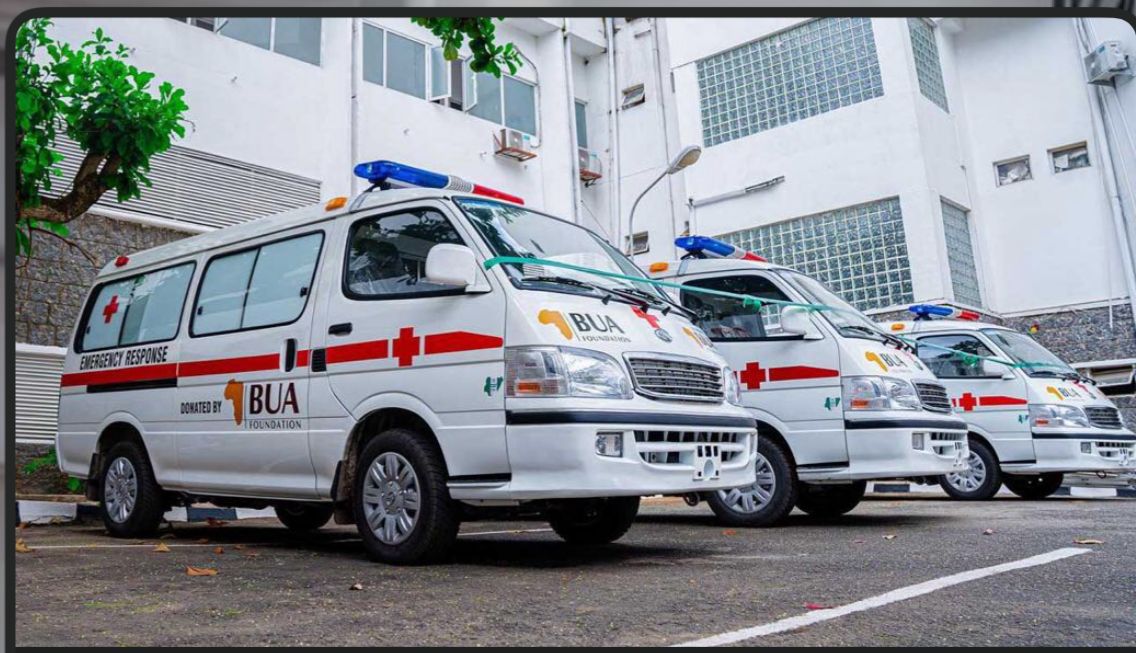
A new report has revealed that only seven per cent of emergency cases in Nigeria are handled by public ambulances, underscoring major gaps in the country’s emergency medical response system. According to the findings, government-operated ambulance services — including those under the National Emergency Medical Service and Ambulance System (NEMSAS) account for just 7% of total emergency transport nationwide. This means that for every 100 emergency cases, only about seven patients are transported using public ambulances, leaving the vast majority to rely on alternative means of getting to hospital The report highlights that in the absence of adequate ambulance coverage, Nigerians often depend on informal and private transport systems during emergencies.
Commercial vehicles and public transport operators account for the largest share about 47% of emergency transport cases followed by private vehicles and walk-ins at 31%, while private ambulance services handle around 15%. Health experts warn that these alternatives are typically unequipped for medical emergencies, increasing the risk of complications or death due to delays and lack
The findings point to serious structural challenges within Nigeria’s healthcare system, including limited ambulance availability, poor coordination, and inadequate real-time data for emergency response In many parts of the country especially rural areas ambulance services are either scarce or nonexistent, forcing patients to travel long distances without medical support.
Even in relatively better-served urban areas, response times remain inconsistent. For instance, Lagos averages about 17 minutes for emergency response, compared to the global benchmark of roughly eight minutes. Medical professionals say delayed or inappropriate transport during emergencies can significantly affect survival outcomes. Reports indicate that a notable proportion of deaths in Nigeria occur in emergency settings, often linked to late arrival at hospitals or lack of pre-hospital stabilization. Conditions such as road accidents, cardiac arrests, obstetric emergencies, and trauma cases are particularly sensitive to response time, making efficient ambulance systems critical. The Federal Government has made efforts in recent years to strengthen emergency services through NEMSAS, including expanding ambulance networks and introducing centralized emergency numbers like 112. However, experts say coverage remains far below required levels, and more investment is needed in infrastructure, personnel training, and public awareness.
Recommendations from the report include deploying digital tracking systems for ambulances, improving coordination with traffic authorities, and expanding access in underserved regions. The findings reinforce long-standing concerns about Nigeria’s healthcare system, where limited resources and infrastructure gaps continue to hinder effective service delivery. As the country faces rising population pressures and increasing emergency cases, analysts warn that without urgent reforms, the gap in emergency response could widen further, putting more lives at risk.