President Bola Ahmed Tinubu Has Defended His Administration’s Economic Reforms
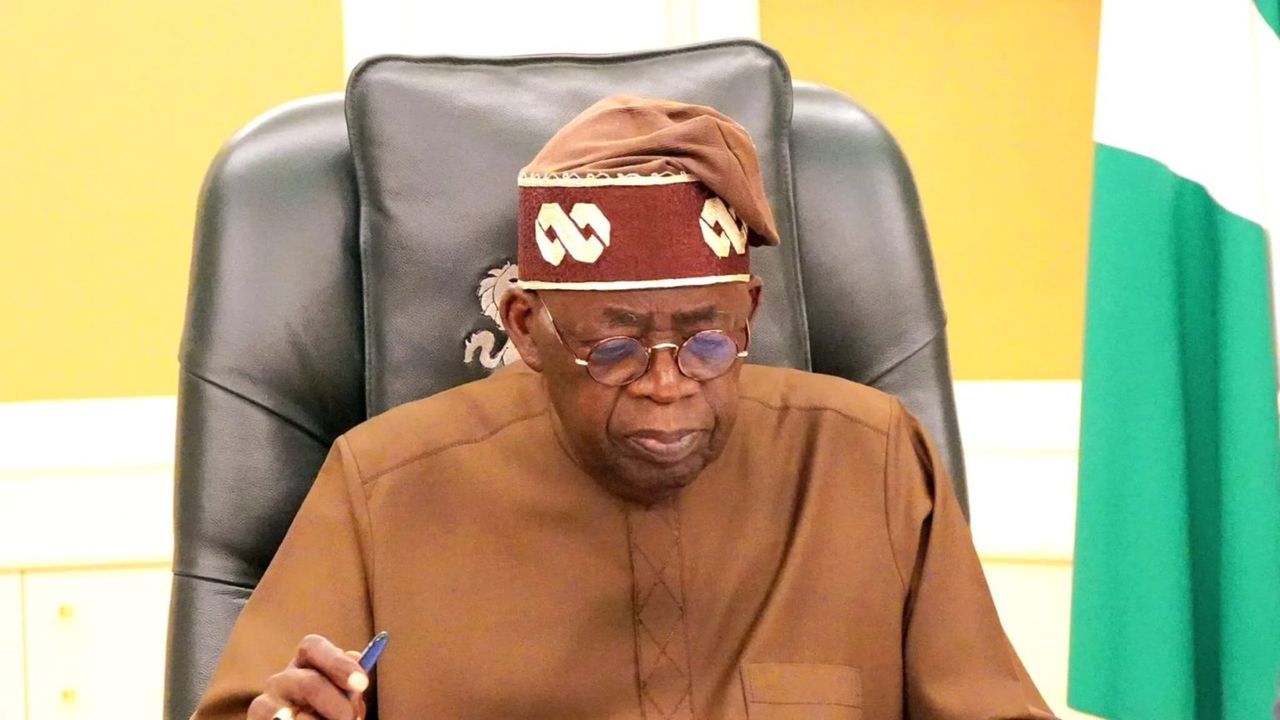
President Bola Ahmed Tinubu has defended his administration’s economic reforms, insisting they were necessary steps to prevent fiscal collapse and place Nigeria on a path of recovery, even as critics continue to point to worsening hardship, insecurity and rising poverty across the country. In a nationwide address marking the third anniversary of his administration, Tinubu acknowledged that Nigerians have endured difficult conditions since the introduction of major policy changes, including the removal of fuel subsidies and foreign exchange reforms. However, he maintained that the measures were already beginning to stabilise the economy and restore investor confidence. The President said his government inherited deep structural challenges, including heavy subsidy burdens, distorted exchange rates, declining revenues, rising debt servicing costs and weakening public trust in institutions. He argued that past subsidy regimes cost Nigeria trillions of naira annually and diverted funds away from critical infrastructure and social services.
Tinubu defended his reforms as “difficult but necessary decisions,” saying they were designed to correct long-standing economic imbalances. According to him, the policy shifts have already begun to produce early signs of recovery, including improved fiscal stability, increased investment interest and renewed activity in key sectors such as oil and gas. He also highlighted ongoing infrastructure projects, including road construction and rail modernisation efforts, which he said are aimed at improving transportation, boosting trade and creating jobs nationwide. On security, the President acknowledged persistent challenges but said his administration had intensified operations against banditry, terrorism, separatist movements and other violent crimes across different regions of the country. Despite these assurances, critics argue that the reforms have deepened economic hardship for millions of Nigerians, with inflation, unemployment and food costs continuing to strain households. Opposition voices and civil society groups have repeatedly linked the policies to worsening living standards and growing public discontent. The debate over Tinubu’s reforms comes amid broader national tensions over economic direction, with supporters crediting the administration for long-term structural corrections, while critics insist the immediate social costs remain severe and unsustainable. For now, the President has maintained that his policies are laying the foundation for long-term stability, urging Nigerians to remain patient as the reforms take full effect.