Power Lines Pose Deadly Threat To Eagles, But Simple Fixes Can Save Them
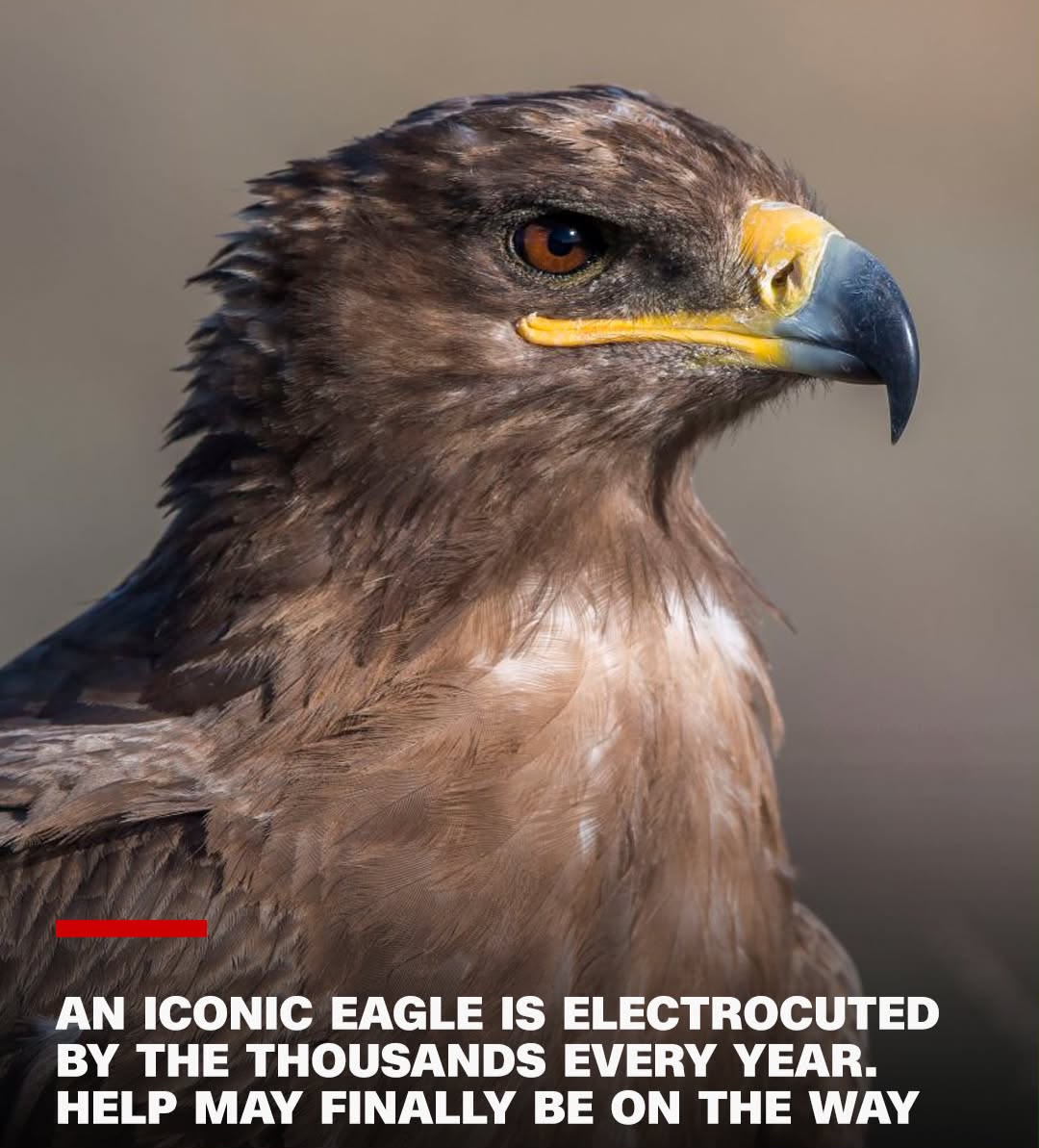
Power Lines Pose Deadly Threat to Eagles, But Simple Fixes Can Save Them For eagles living in landscapes where natural trees are scarce, electricity pylons and power poles can provide convenient perches from which to hunt, survey their surroundings and, in some cases, build nests. But the structures can also become deadly traps. A bird can be electrocuted when its body bridges two energized components, or an energized component and a grounded part of the electrical infrastructure. Because of their large wingspans, eagles and other raptors are particularly vulnerable. The danger is not limited to isolated incidents. Bird electrocution is recognised as a widespread conservation problem, with large numbers of raptors killed on power infrastructure across different regions of the world. In Africa, expanding electricity networks have increased the exposure of large birds to potentially dangerous poles and cables. Yet conservation experts say many of these deaths are preventable. One of the simplest solutions is to insulate exposed wires and electrical components, preventing birds from completing an electrical circuit when they land or take off. Utilities can also redesign poles, increase the distance between energized conductors and grounded components, install protective barriers and use safer structures that provide adequate clearance for large birds. Experts also recommend identifying so-called “problem poles locations where bird electrocutions have occurred or where infrastructure presents a particularly high risk and prioritising them for modification. Research has shown that targeted action can have a dramatic impact. A 2024 study of Bonelli’s Eagles in Israel found that retrofitting only about 3.6 per cent of pylons in the studied network could potentially reduce the birds’ electrocution risk by 77 per cent. The issue therefore presents both a conservation challenge and an engineering opportunity. Making power infrastructure safer for wildlife does not necessarily require rebuilding entire electricity networks; targeted insulation, redesign and strategic retrofitting can save birds while also reducing equipment damage and power disruptions caused by electrocution incidents. For eagles that have lost natural perches to development, electricity infrastructure may remain an attractive part of the landscape. Making those structures safe could mean the difference between a useful perch and a fatal one.