NIOB Blames Frequent Building Collapses On Substandard Materials, Unqualified Workers And Disregard For Approved Designs, Warns Of Risks To Lives And Property
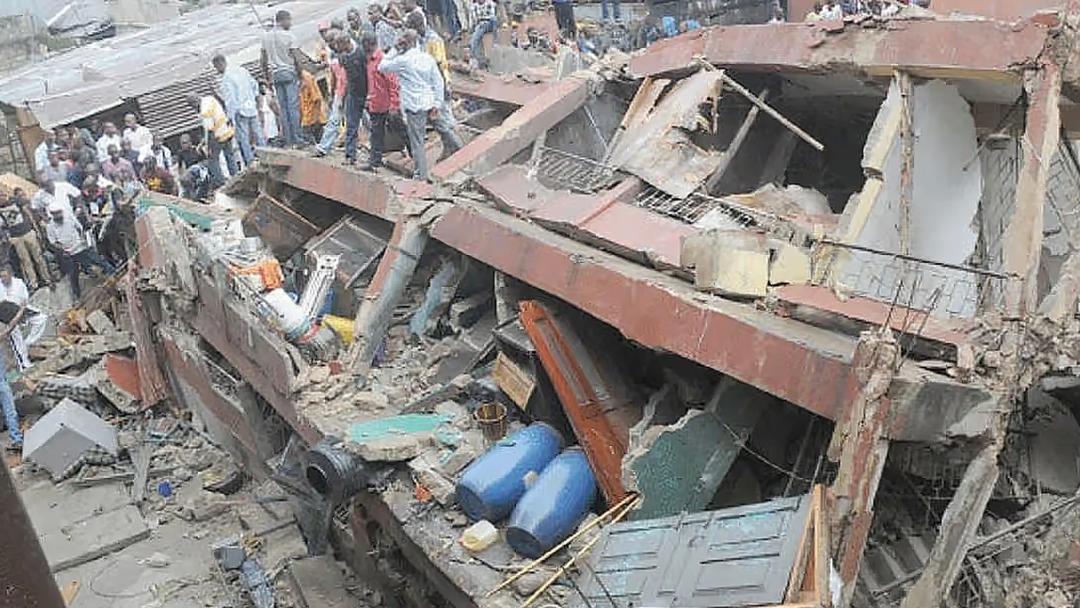
NIOB Blames Frequent Building Collapses on Substandard Materials, Unqualified Workers and Disregard for Approved Designs, Warns of Risks to Lives and Property The Nigerian Institute of Building (NIOB) has raised fresh alarm over the recurring incidents of building collapses nationwide, attributing the structural failures to the use of substandard construction materials, employment of unqualified personnel, and a blatant disregard for approved design plans. Addressing journalists in Enugu during activities marking the 2026 Builders’ Week, NIOB Chairman in Enugu, Gyok Luka, said these persistent collapses have become a serious threat to human lives and property, while also eroding public confidence in the country’s construction industry. According to Mr. Luka, investigations into multiple collapse cases consistently point to weak construction management practices, including the absence of professional supervision, compromised quality of materials used on site, and the engagement of individuals lacking the proper technical qualifications or licences. He emphasised that compliance with approved structural designs and strict adherence to building standards are non‑negotiable for ensuring the safety and durability of structures. The Institute reaffirmed its commitment to promoting professionalism, ethical conduct and adoption of best practices in building production management across all phases of construction. Experts have long warned that factors such as quackery in construction, non‑compliance with regulatory standards, and failure to involve qualified professionals contribute significantly to structural failures and collapses in Nigeria. In light of the ongoing concern, the Lagos State Government has launched an inquiry into the recent collapse of a school building on Adu Street in the Aguda area of Ogba, though early reports suggested no casualties as occupants had exited the structure before it caved in. Reacting to the NIOB’s concerns, the Real Estate Developers Association of Nigeria (REDAN) Lagos chapter urged developers to prioritise structural integrity by ensuring solid foundations and good design integrity, as well as engaging professionals registered with relevant industry regulatory bodies. REDAN’s Chairman, Dr. Tony Kolawole, warned that cost‑cutting pressures must not lead to compromises that weaken buildings and put occupants at risk. He emphasized that every building project large or small should involve qualified and certified engineers and architects from design through execution. Frequent building collapse incidents in Nigeria stem from multiple systemic weaknesses, including poor construction practices, weak enforcement of standards, quack labour, and shoddy materials. Professional bodies have repeatedly urged stronger regulation and consistent enforcement of building codes to prevent avoidable tragedies.