Sir Olly Robbins Gives Evidence To MPs Over Mandelson Vetting As UK Ambassador To US
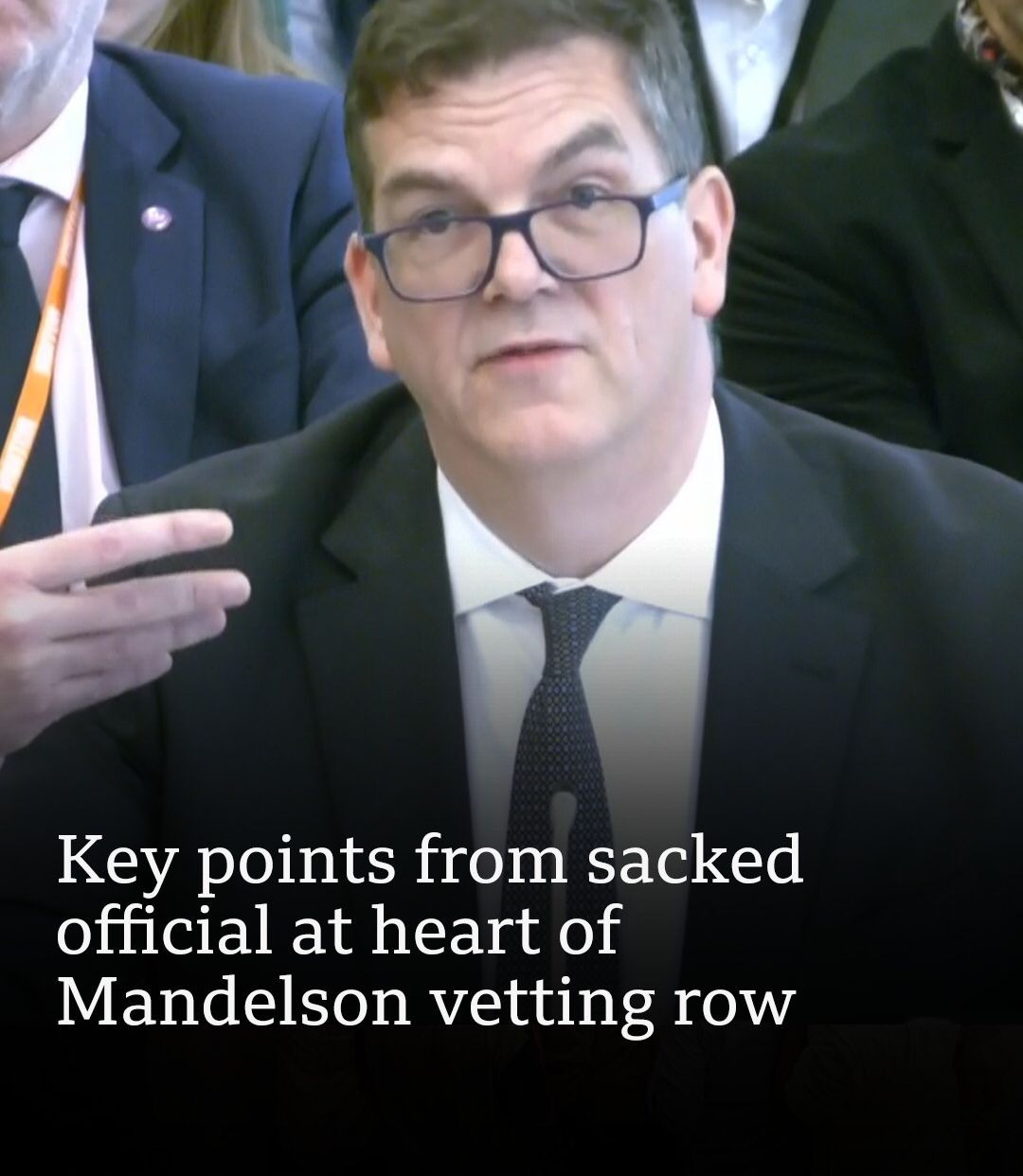
Sir Olly Robbins Gives Evidence to MPs Over Mandelson Vetting as UK Ambassador to US Former Foreign Office chief tells parliamentary committee he faced pressure and relied on “borderline” security advice in approving controversial diplomatic appointment Sir Olly Robbins, the former top civil servant at the UK Foreign Office, has appeared before MPs on the UK Foreign Affairs Committee to give evidence about his role in vetting Peter Mandelson for appointment as Britain’s ambassador to the United States. During the high-profile hearing, Robbins outlined the circumstances surrounding the controversial approval process, which has triggered political scrutiny across Westminster. He told MPs that officials were under “constant pressure” from Downing Street to move quickly with Mandelson’s appointment, adding that the priority appeared to be getting the diplomat to Washington as soon as possible. Robbins said he approved Mandelson’s security clearance after receiving advice from Foreign Office security officials that the risks linked to the appointment were considered manageable, even though the case was described as “borderline.” According to evidence presented to the committee, the UK Security Vetting body had flagged significant concerns, reportedly marking two “high concern” warnings recommending that clearance be denied or withdrawn. However, Robbins stated he never personally saw the full vetting form showing those recommendations and instead relied on verbal briefings from officials. The former permanent secretary also told MPs that the Cabinet Office had at one stage suggested Mandelson might not even require formal security vetting, a claim that has intensified debate over whether normal procedures were properly followed. Robbins insisted his decision was based on professional judgement rather than political instruction, though he acknowledged the Prime Minister had already indicated a desire to appoint Mandelson, which created significant institutional pressure during the process.
The hearing comes days after Robbins was dismissed from his role following revelations about how Mandelson’s clearance was handled. The controversy has fuelled criticism of Prime Minister Keir Starmer and raised questions about transparency, national security vetting, and political influence in senior diplomatic appointments. Opposition figures argue the evidence suggests due process may have been bypassed, while government allies maintain that the final decision fell within established civil-service discretion.
Robbins declined to discuss details of conversations surrounding his dismissal, citing ongoing legal advice, but described the situation as personally distressing. The Foreign Affairs Committee is expected to publish further findings after reviewing testimony and documentation connected to the Mandelson appointment.
Key Points from Robbins’ Evidence
- Foreign Office faced pressure to fast-track Mandelson’s appointment.
- Security vetting flagged high concerns, though risks were deemed manageable.
- Robbins says he never saw the formal document recommending refusal.
- Cabinet Office reportedly questioned whether full vetting was required.
- Political fallout continues amid scrutiny of government decision making.