Nigeria’s GDP Growth Slows To 3.89% In Q1 2026 Amid Improved Agricultural Performance
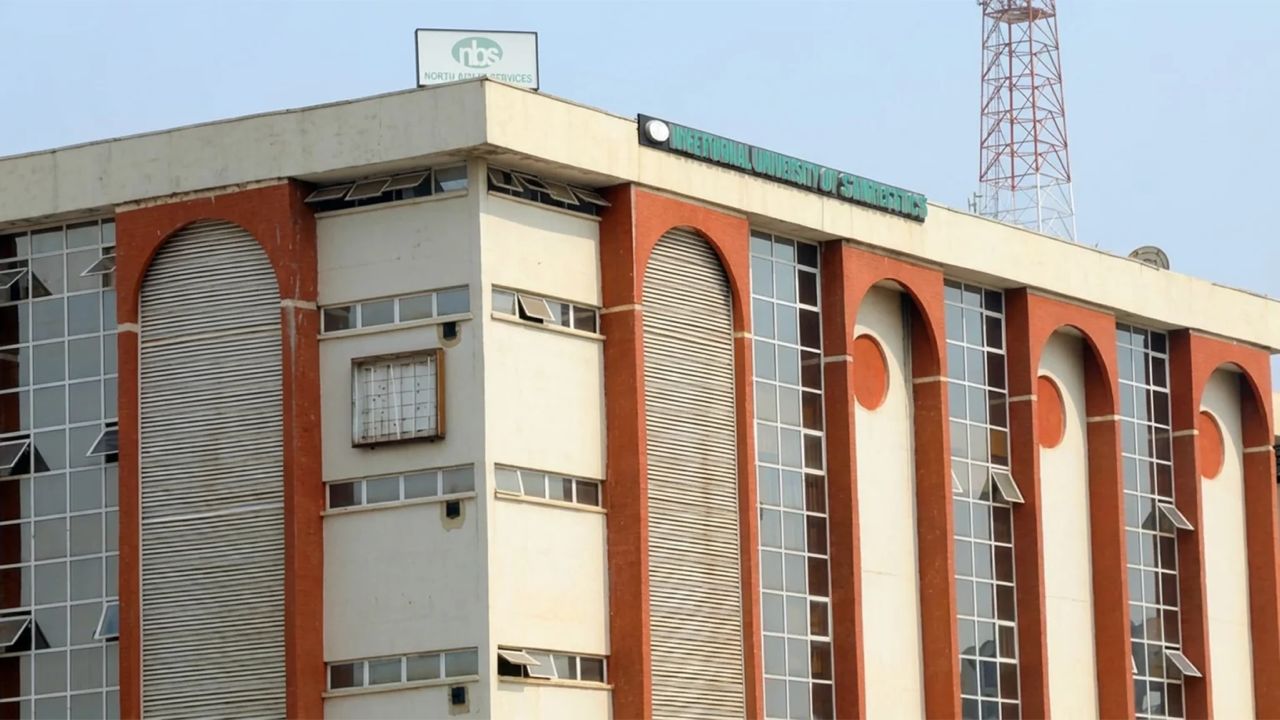
Nigeria’s GDP growth slows to 3.89% in Q1 2026 amid improved agricultural performance Nigeria’s economy recorded a 3.89 per cent year-on-year growth in real Gross Domestic Product GDP during the first quarter of 2026, according to the latest report released by the National Bureau of Statistics NBS.The figure represents a slight slowdown compared to the 4.07 per cent growth recorded in the fourth quarter of 2025. However, it remains higher than the 3.13 per cent growth posted in the corresponding period of 2025. According to the NBS, the agricultural sector showed notable improvement during the period under review, helping to support overall economic performance despite slower expansion in some other sectors of the economy. The bureau stated that agriculture grew by 3.15 per cent in Q1 2026, a significant increase from the 0.07 per cent growth recorded in the same quarter of 2025. The services sector retained its position as the largest contributor to Nigeria’s economy, accounting for 57.73 per cent of total GDP during the quarter. The sector recorded a growth rate of 4.31 per cent, slightly below the 4.33 per cent posted in Q1 2025, while the industrial sector expanded by 3.50 per cent compared to 3.42 per cent in the same period last year. The NBS also reported that Nigeria’s aggregate GDP at basic prices rose to N110.78 trillion in nominal terms during the quarter, representing a 17.79 per cent increase from the N94 trillion recorded in Q1 2025. Despite overall economic growth, oil production declined slightly during the quarter. Average crude oil production stood at 1.55 million barrels per day in Q1 2026, lower than the 1.62 million barrels per day recorded in the corresponding quarter of 2025 and also below the 1.58 million barrels per day achieved in Q4 2025.However, the oil sector still recorded a real GDP growth of 2.57 per cent year-on-year, although this was lower than the 6.79 per cent growth reported in the preceding quarter. The non-oil sector remained the major driver of economic activity, growing by 3.94 per cent in real terms and contributing 96.08 per cent to total GDP during the quarter. Key contributors to non-oil growth included telecommunications, crop production, trade, construction, financial services, and real estate activities. Economic analysts say the latest GDP figures reflect moderate but steady economic resilience despite inflationary pressures, exchange-rate challenges, and concerns over declining oil output. The improved performance of agriculture and services is expected to remain central to Nigeria’s economic expansion strategy as policymakers continue efforts to diversify the economy away from oil dependence.