Logjam Of Passengers Trapped By War In Middle East Begins To Ease Here’s What Travellers Need To Know
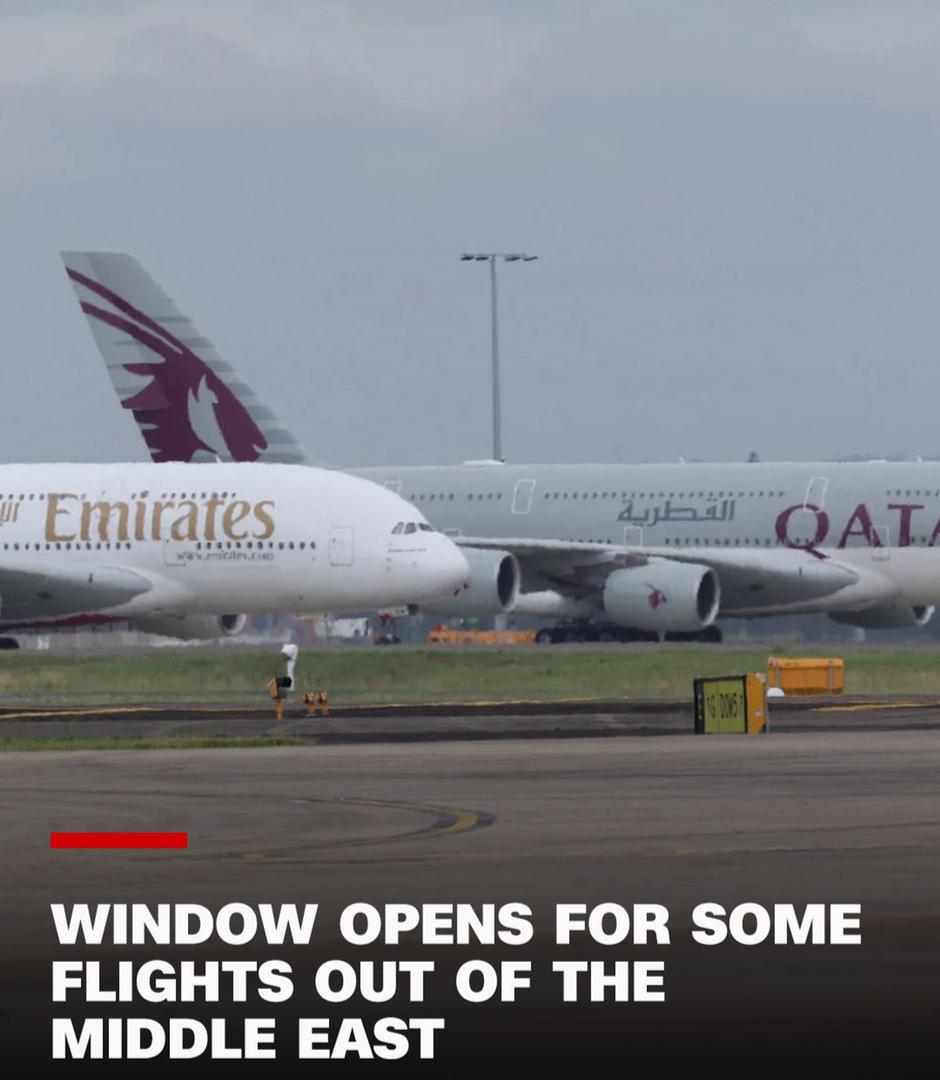
Logjam of passengers trapped by war in Middle East begins to ease here’s what travellers need to know The travel chaos triggered by the ongoing conflict in the Middle East is beginning to ease as some commercial flights resume and governments step up evacuation efforts, offering trapped passengers a chance to leave the region after days of mass flight cancellations and airspace closures. After major carriers suspended services across key Gulf hubs at the start of the conflict, airlines are now scheduling limited flights and governments around the world are organising charter and repatriation flights to help citizens exit the region safely. Airlines such as Qatar Airways and Emirates have begun operating limited relief flights from regional airports including Muscat, Oman, after several days of halted operations due to ongoing hostilities. These flights are intended to carry stranded travellers to destinations in Europe and beyond and mark one of the first signs of recovery in air connectivity. In addition to limited airline schedules, foreign governments are deploying charter flights to evacuate their citizens. The United States State Department has confirmed it is arranging regular charter flights from the United Arab Emirates, Saudi Arabia and Jordan for Americans who want to leave the region, while the UK, Canada, Ireland and other countries are also organising similar operations for their nationals. Thousands of travellers have already returned home or are in transit via these evacuation initiatives, and more flights are expected to be deployed in the coming days as diplomatic and consular teams expand their efforts. Despite these positive developments, the situation remains challenging for many passengers. Major airspace closures particularly over Iran, Iraq, Qatar and parts of the Gulf continue to force airlines to operate on reduced schedules, reroute flights or cancel services entirely. Millions of travellers were affected at the height of the disruption as major hubs such as Dubai, Abu Dhabi and Doha suspended operations.
Passengers with travel plans through the Middle East are advised to stay in close contact with their airlines for updated schedules, confirm bookings before travelling to airports and explore alternative options if flights remain suspended.
• Check flight status frequently Airlines are updating schedules as airspace restrictions change.
• Contact your embassy or consulate They can provide information on evacuation flights and emergency assistance.
• Consider alternate routes Travellers may find more options via neighbouring countries with open airspace.
• Prepare for sudden changes The security situation is fluid, and cancellations or rescheduling can happen with little notice.
The gradual resumption of flights and the surge in evacuation operations offer relief to many stranded people, but air travel in much of the Middle East will likely remain complex and unpredictable as long as the conflict persists.