Iran Withdraws From The 2026 FIFA World Cup After Supreme Leader Khamenei Is Killed In US‑Israeli Strike
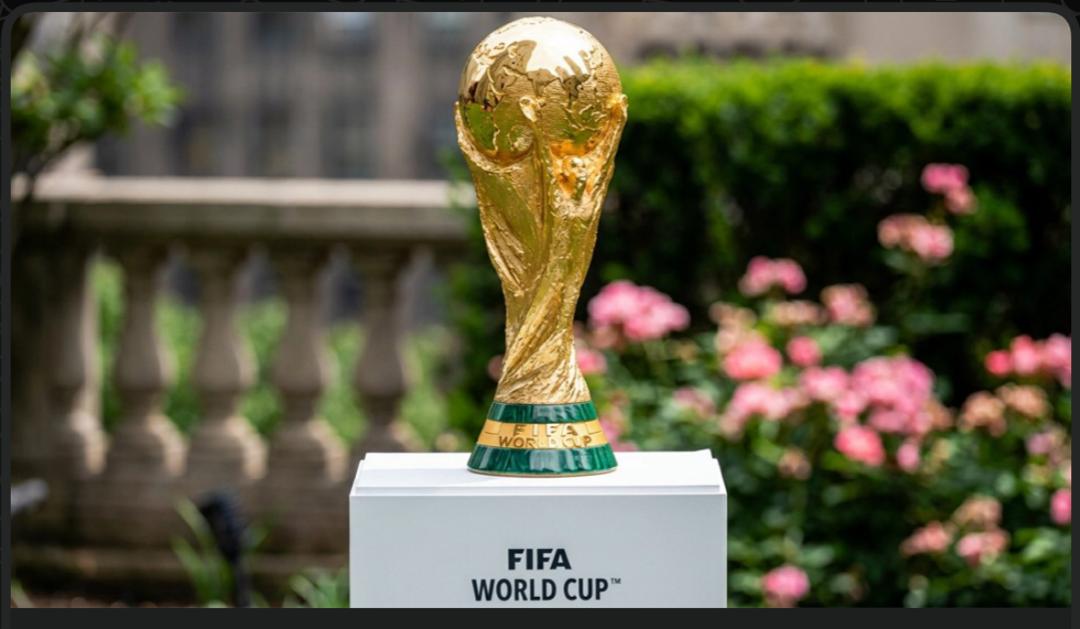
Iran Withdraws from the 2026 FIFA World Cup After Supreme Leader Khamenei Is Killed in US‑Israeli Strike Iran’s government announced that its national football team will not participate in the 2026 FIFA World Cup, citing the killing of Supreme Leader Ayatollah Ali Khamenei in US‑Israeli airstrikes and the resulting wider armed conflict in the Middle East. Sports Minister Ahmad Donyamali said the country cannot compete under current security and political conditions, deepening geopolitical divisions just months before the tournament set to be hosted by the United States, Mexico, and Canada.
- Iranian Sports Minister Ahmad Donyamali announced on state television that the national team will not play in the 2026 World Cup scheduled from June 11 to July 19 in the United States, Mexico, and Canada.
- Donyamali framed the decision as a direct response to airstrikes launched by the United States and Israel which killed Supreme Leader Ayatollah Ali Khamenei in late February, triggering a broader regional conflict.
- He said the security situation makes it impossible to send the team, stressing that “our children are not safe” and that “under no circumstances” can Iran participate in a tournament partly hosted by a country it regards as hostile.
- Iran’s exit comes as the Middle East conflict escalates following the death of Khamenei, which Tehran attributes to the joint US‑Israeli military action.
- The expanded 48‑team tournament had already placed Iran in Group G alongside Belgium, Egypt, and New Zealand, with all three of Iran’s group matches scheduled to be played in U.S. cities such as Los Angeles and Seattle.
- Iran was the first nation to secure qualification for the championship before the conflict began.
- Officials reported over 1,300 Iranian civilian casualties in the conflict so far, underscoring Tehran’s security concerns for players and fans.
- Donyamali accused the U.S. of “assassinating our leader” and said that Iran’s participation in an event partly hosted by Washington would be impossible given the ongoing war.
- Iran’s UN Ambassador Amir Saeid Iravani highlighted civilian casualties and the strain of ongoing military conflict as contributing factors to Tehran’s decision
- Reports indicate that FIFA President Gianni Infantino had previously received assurances from U.S. President Donald Trump that the Iranian team would be welcome and safe at the tournament, but Tehran rejected this offer.
- FIFA regulations could impose fines or sanctions on Iran if the withdrawal is formalized, including potential bans from future competitions.
- The withdrawal of Iran a team that qualified early creates a potentially historic absence from the FIFA World Cup, an unprecedented move in the modern era.
- FIFA may need to consider replacement options for Iran’s spot in the tournament, balancing sporting fairness and confederation representation.
- Logistical and economic implications include adjustments to fixtures, ticket allocations, and host city preparations, especially in Los Angeles and Seattle.
Iran’s withdrawal highlights how geopolitical conflicts can intersect with international sports, potentially reshaping global tournaments. The situation reflects mounting tension between Tehran and Western and regional powers, raising questions about safety, diplomacy, and the role of sport in international relatioins