‘Failed Policies Iran Rejects Trump’s Economic Pressure Plan
‘Failed Policies Iran Rejects Trump’s Economic Pressure Plan
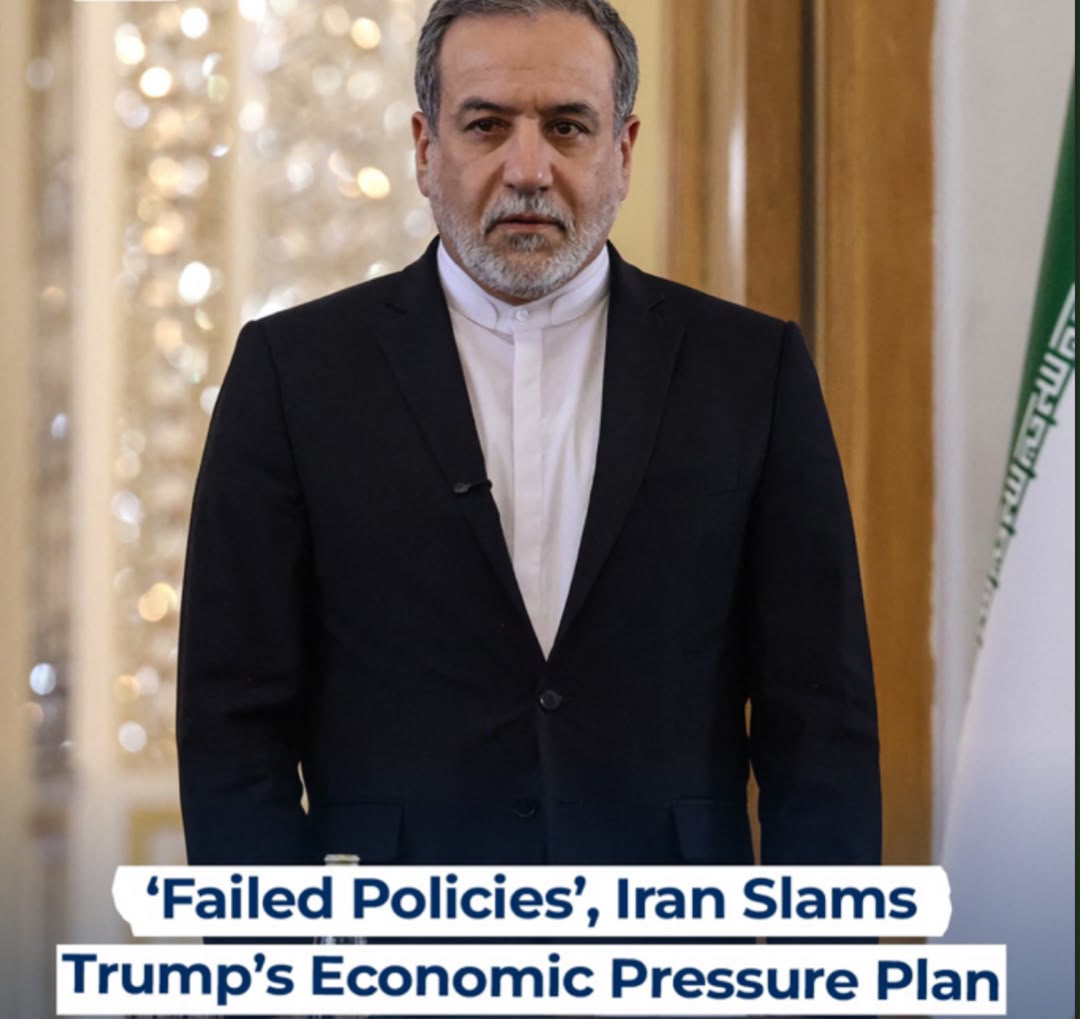
lran’s Foreign Minister Abbas Araghchi has rejected US President Donald Trump’s latest economic pressure campaign against Tehran, describing it as a continuation of what he called Washington’s “failed policies” that would bring the United States “further defeat. Araghchi’s comments came a day after Trump announced what he described as an unprecedented campaign of “economic warfare and isolation” against Iran and warned countries supporting Tehran of severe economic consequences. In a statement on social media, Araghchi dismissed Trump’s so-called “Economic D-Day” as a distraction from what he described as America’s own economic difficulties, particularly rising national debt and interest costs. He argued that Washington’s decision to intensify economic pressure would not force Iran to surrender, but would instead deepen hostility toward the United States. The Iranian foreign minister also accused the United States of practising what he called “economic terrorism”, warning that such measures could threaten the global economy and the sovereignty of other countries. Trump announced his latest measures as the conflict involving the United States, Israel and Iran approaches its sixth month. The US president has threatened countries that provide Iran with financial, commercial or logistical support, although the precise penalties have not yet been fully outlined. The new strategy represents a shift toward even greater economic pressure as Washington seeks to isolate Tehran. Trump has described the planned campaign as the most severe economic operation ever undertaken against a country. Iran, however, has remained defiant, arguing that decades of US sanctions have failed to force Tehran to abandon its strategic objectives. The confrontation is also having wider international consequences. The Strait of Hormuz, a crucial route for global energy supplies, remains at the centre of the dispute, with disruption to shipping contributing to volatility in international oil markets. Countries with significant economic ties to Iran, particularly China, could face difficult choices if Washington follows through with secondary penalties against businesses or governments that continue trading with Tehran. The latest exchange of threats comes as diplomatic efforts to end the conflict remain stalled, while both Washington and Tehran continue to accuse each other of obstructing a possible resolution. For now, the scale and implementation of Trump’s threatened economic measures remain unclear, but Araghchi’s response signals that Tehran has no immediate intention of yielding to the intensified pressure.