Ed Sheeran Tour Hit By Wave Of Support-Act Exits After Macklemore Removal
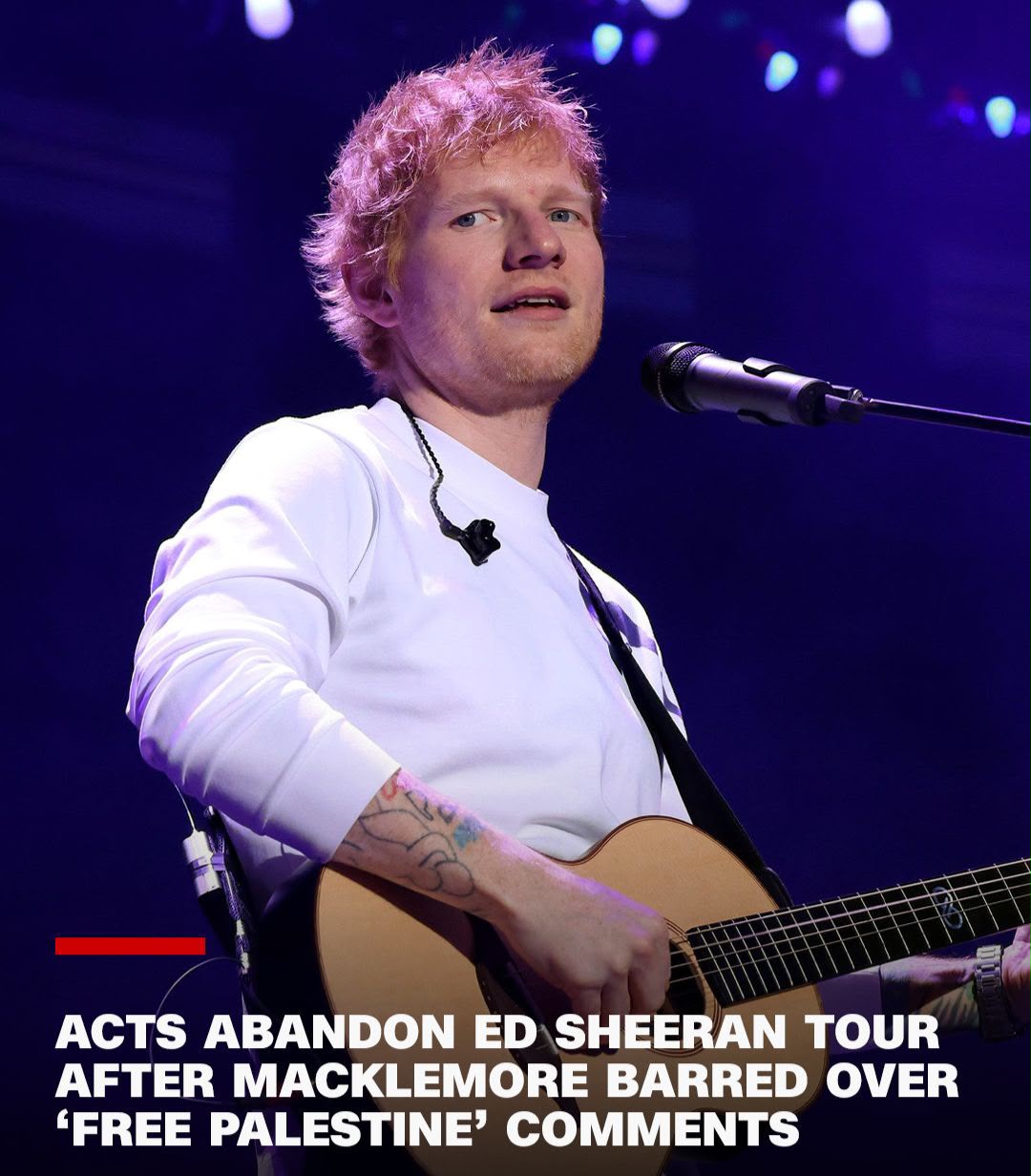
Ed Sheeran Tour Hit by Wave of Support-Act Exits After Macklemore Removal Ed Sheeran’s North and South American tour has been thrown into turmoil after rapper Macklemore was removed from the tour following pro-Palestinian remarks, prompting all four of the remaining supporting acts to withdraw in solidarity. Macklemore had been scheduled to perform on Sheeran’s U.S. dates but said he was dropped after making comments supporting Palestinians during a performance at New Jersey’s MetLife Stadium earlier this month. Sheeran subsequently said the decision was made by the tour’s promoter and was not his own. Macklemore said he was informed that several stadium venues would not allow him to perform as part of Sheeran’s tour after he publicly said “Free Palestine” while introducing his protest song Hind’s Hall. The rapper said the decision followed pressure from stadium owners, including Robert Kraft, whose company owns Gillette Stadium in Massachusetts. Kraft confirmed that Macklemore would not perform at Gillette Stadium, citing what he described as the rapper’s previous “anti-Semitic rhetoric” and arguing that discussions about the conflict should also acknowledge Hamas’ actions. Macklemore has rejected the suggestion that his criticism of Israel should be interpreted as criticism of Jewish people. Sheeran addressed the controversy after Macklemore’s removal, saying he respected the rapper’s decision to speak about issues he believed in but wanted to keep his own professional platform separate from politics. The British singer said the decision to remove Macklemore was made by the tour’s promoters rather than himself. Sheeran also said he did not want to abandon fans who had made plans to attend the concerts or the touring crew and musicians who depended on the shows for their livelihoods.The controversy escalated after the other supporting performers announced that they would no longer participate in the tour.
- Aaron Rowe, an Irish singer-songwriter.
- Beoga, an Irish traditional music group that had also performed with Sheeran during his sets.
- Lukas Graham, the Danish band known for songs including 7 Years.
- Finneas, the American musician and brother of Billie Eilish.
Rowe and Lukas Graham had been scheduled to replace Macklemore on Sheeran’s remaining U.S. dates, while Finneas was due to join the tour in South America later this year. Finneas said he was withdrawing because he believed artists should be able to speak about issues affecting oppressed people and said he stood with Palest Rowe and Beoga, both from Ireland, referenced their country’s history when explaining their decisions. Beoga said its members were committed to activism for Palestinian rights, while Rowe said his decision reflected his understanding of colonialism and opposition to what he described as occupation and violence. Lukas Graham described its withdrawal as a difficult decision while expressing gratitude toward Sheeran. The departures have placed Sheeran at the centre of a dispute over the intersection of music, political expression and commercial concert venues. Sheeran has generally avoided taking public political positions and has previously said that audiences attend his concerts for music rather than political debate. The controversy has nevertheless forced him to address the dispute after Macklemore’s removal and the subsequent withdrawal of the other artists. Macklemore’s supporters have framed the episode as a question of artistic expression, while those supporting his removal have pointed to the rights of private venue owners and concerns over statements they consider divisive. The withdrawals leave Sheeran’s remaining tour dates without several of the acts originally scheduled to support him. The dispute also highlights the complications faced by artists performing at privately owned stadiums, where venue operators can impose conditions on performers and promoters. For now, Sheeran has maintained that Macklemore’s removal was a promoter’s decision, while the departing support acts have made clear that their withdrawals were connected to the controversy surrounding the rapper’s pro-Palestinian statements.