“Mental Pressure Was The Hardest Part” Captain Describes Ordeal After Ship Stranded In Strait Of Hormuz
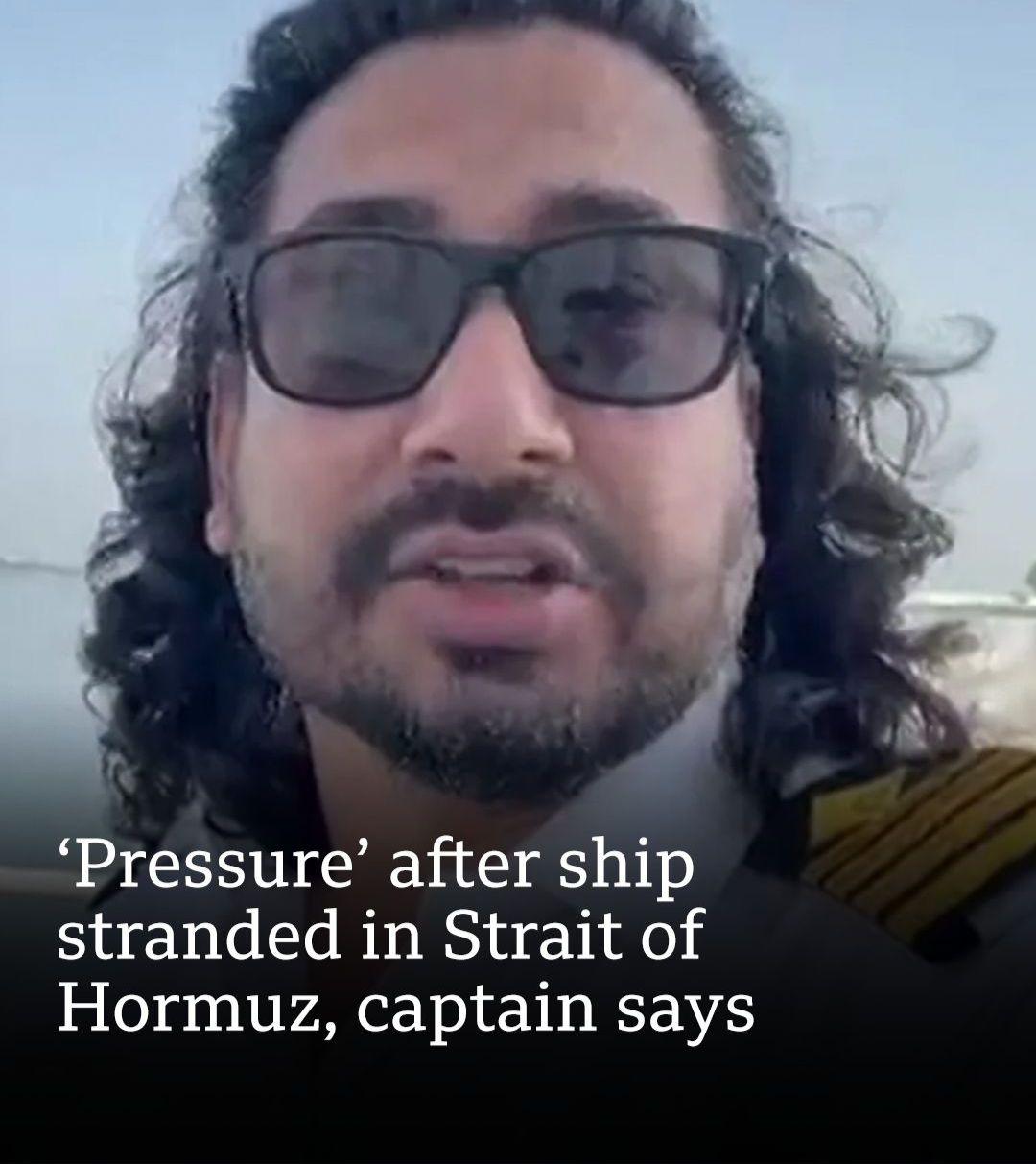
“Mental Pressure Was The Hardest Part”Captain Describes Ordeal After Ship Stranded In Strait Of Hormuz A ship captain stranded in the volatile Strait of Hormuz has revealed the psychological toll of being caught in escalating tensions between the United States and Iran, saying the greatest challenge faced by his crew was not physical hardship but intense mental stress. Speaking in an interview featured , the captain described life aboard a vessel trapped in one of the world’s most strategically important .The captain’s vessel is among hundreds of ships affected by the ongoing confrontation between the United States and Iran over control and access to the Strait of Hormuz a narrow maritime passage linking the Persian Gulf to global markets. Rising military tensions and security threats have severely disrupted commercial shipping, leaving many vessels unable to safely transit the waterway. Analysts say thousands of sailors have effectively become unintended victims of geopolitical rivalry, forced to wait at sea while diplomatic and military tensions play out.According to the captain, daily life onboard remains physically manageable, but uncertainty has taken a heavy psychological toll on crews.
- Constant fear of missile or drone attacks
- Limited communication with families
- Uncertainty about when they can leave
- Stress from operating inside a potential conflict zone
The captain explained that while supplies and equipment remained sufficient, anxiety among crew members steadily grew as regional tensions escalated. The Strait of Hormuz is one of the most critical shipping lanes in the world, carrying a large share of global oil and gas exports.
- Shipping routes have been contested by rival military directives
- Commercial traffic has sharply declined
- Many vessels have been forced to remain anchored for safety
Security concerns have intensified despite diplomatic efforts aimed at preventing wider conflict. The captain said crews feel powerless as political decisions made far from the sea directly determine their safety. Many sailors describe themselves as “collateral victims” of the standoff, highlighting how global conflicts often affect civilian workers far from political negotiations. Industry experts warn that prolonged disruption could worsen mental health challenges among seafarers already accustomed to long periods of isolation. The shipping crisis has also shaken global trade
- Oil shipments slowed dramatically
- Energy prices rose amid supply fears
- Shipping companies hesitated to send vessels through the area
Even proposed alternative transit routes backed by military protection have failed to fully restore confidence among commercial operators. While headlines often focus on military manoeuvres and diplomatic disputes, the captain’s account offers a rare glimpse into the human experience behind the crisis sailors waiting at sea, navigating fear, uncertainty, and political forces beyond their control. For many crews still stranded near the Strait of Hormuz, the greatest battle is not mechanical or logistical but psychological.