Dangote Refinery Pledges Abundant Fuel For Nigeria After Oil Prices Near $120/barrel
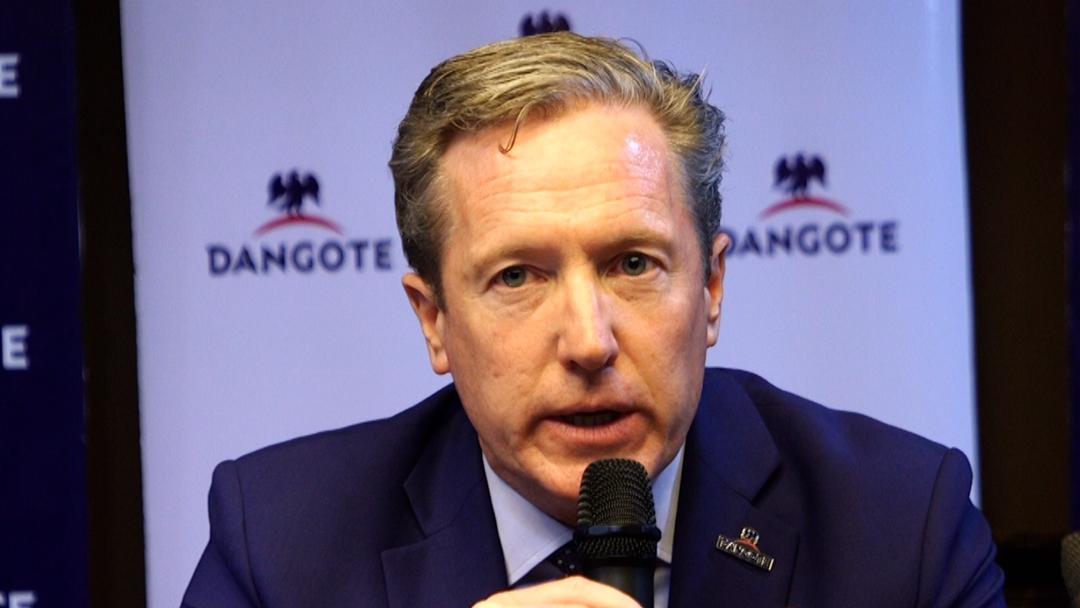
Dangote Refinery pledges abundant fuel for Nigeria after oil prices near $120/barrel Dangote Petroleum Refinery has pledged to maintain abundant fuel supply to Nigeria despite global crude oil prices surging to near $120 per barrel the highest level in years amid rising geopolitical tensions and market volatility.
The managing director, David Bird, made the assurance during a media briefing as Brent crude oil approached roughly $119.50 a barrel following escalating conflicts in the Middle East. Bird said the refinery, one of the largest single‑train facilities in the world with a capacity of about 650,000 barrels per day, is committed to ensuring that Nigeria’s domestic market continues to have steady access to refined petroleum products even as global oil prices and related costs soar. “Nigeria with a domestic refining industry is not immune to global market pressures,” he noted, pointing to dramatic price swings that saw crude rise from the mid‑$60 range to near $120 per barrel in just one week. But he stressed the advantage of having a local refinery: uninterrupted supply security. Bird said: “What would be worse than $120 oil is no oil.” He highlighted that many countries reliant on imported fuel are already experiencing shortages and rationing, whereas Nigeria’s refining capacity allows the nation to continue meeting its needs. According to Bird, Dangote Refinery is prioritising the Nigerian domestic market ahead of exports. The facility currently produces between roughly 50 million and 55 million litres of petrol daily well above the country’s estimated daily petrol consumption of about 35 million litres. He said uninterrupted fuel supply depends in part on continued access to Nigerian crude oil from the Nigerian government and the state‑owned Nigerian National Petroleum Company Limited (NNPC). With that support, he said the refinery can continue processing Nigerian crude and serving the domestic market first. Despite the pledge of supply security, Bird acknowledged that fuel pricing remains tied to global market dynamics, since crude oil is purchased at international benchmark levels even under the Federal Government’s crude‑for‑naira policy. Pricing decisions ultimately lie with the government and market regulators, he said. The refinery’s pledge comes amid broader market pressures that have seen fuel distribution and retail pricing adjust in response to rising crude costs. Retailers and industry observers say petrol prices at filling stations have climbed, and there are warnings that prices could rise further if global volatility persists. Some industry voices say petrol prices across parts of the country have reached as high as N1,300 per litre, while Dangote Refinery has already adjusted its own ex‑depot petrol price to around ₦1,175 per litre.
Experts note that Nigeria historically relied heavily on imported refined products until Dangote Refinery began operations in 2024, a milestone that has significantly improved the country’s fuel self‑sufficiency and reduced dependency on imports. Prior to that, shortages and long queues at petrol stations were chronic problems. However, Bird and industry analysts say Nigeria’s energy security could be further strengthened through improved domestic crude supply logistics, supportive government policies, and equitable downstream market regulation.