China Expands Maritime Reach With Law Enforcement Patrols And Seabed Mapping In Remote Pacific Waters
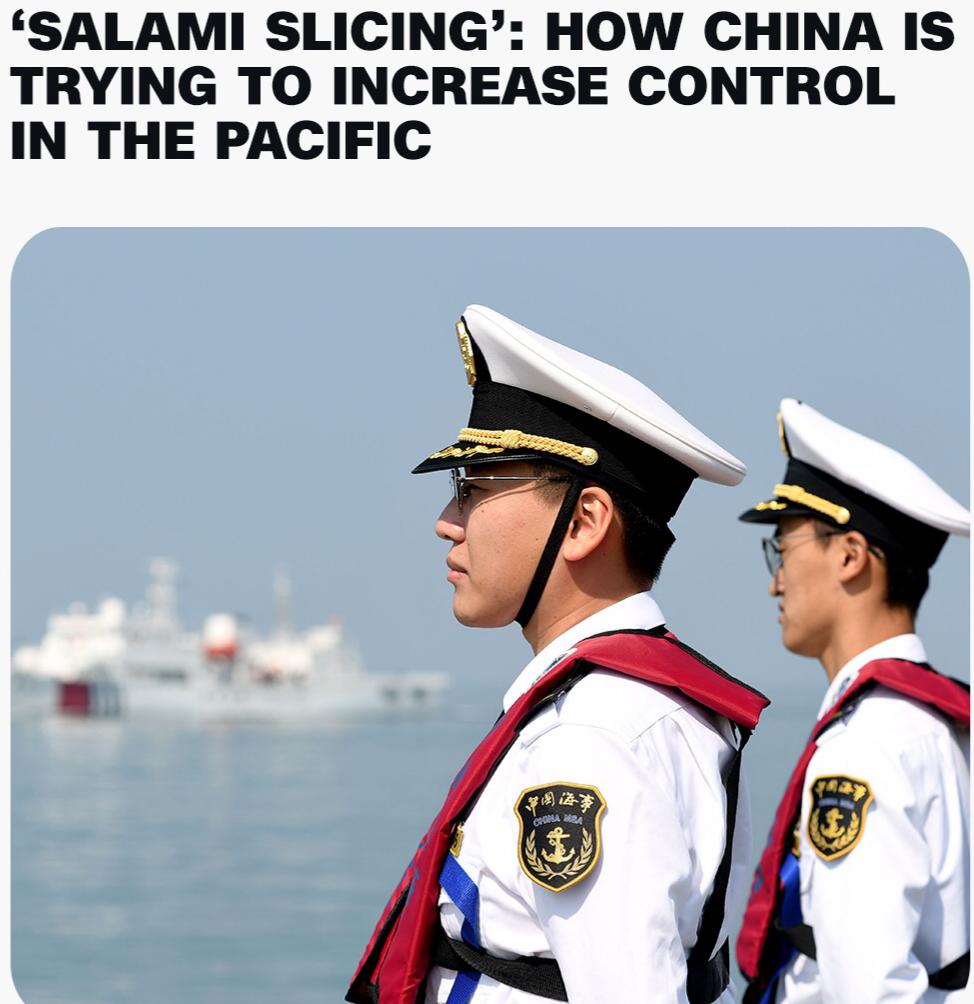
China Expands Maritime Reach With Law Enforcement Patrols and Seabed Mapping in Remote Pacific Waters In a span of just a few weeks, Chinese vessels have carried out law enforcement operations farther from the country’s mainland than ever before, conducted seabed mapping of highly sensitive areas, and undertaken maritime research activities inside a contested lagoon located more than 500 miles from China’s shores.The coordinated activities, which include deployments by civilian maritime agencies, appear to mark an expansion of Beijing’s presence beyond traditional operating zones in the western Pacific, raising concerns among regional security analysts over what some describe as incremental “gray-zone” tactics used to advance territorial claims without open conflict.According to reports, Chinese Maritime Safety Agency vessels recently conducted what Beijing describes as “law enforcement” patrols east of the “First Island Chain,” an area stretching from Japan through Taiwan and the Philippines. The movement of these vessels through the Bashi Channel has been described by analysts as unprecedented for the agency and potentially indicative of a broader operational shift.The ships also carried out seabed mapping operations in waters that have long been considered strategically sensitive due to their importance for navigation, resource exploration, and military planning. Experts note that detailed seabed data can provide advantages in submarine movement, surveillance, and underwater operations. In a separate development, Chinese vessels were reported to have conducted “research” activities within a disputed lagoon far from mainland China. The site lies within a broader maritime region where sovereignty claims overlap and remain contested by several countries. China has long faced accusations of pursuing a gradual expansion strategy in disputed waters, often referred to by analysts as “salami-slicing,” in which small, incremental actions are used to strengthen de facto control over contested maritime zones without triggering direct military confrontation. Beijing maintains that its maritime activities are lawful and framed as routine administrative, scientific, and security operations. However, regional observers argue that the latest movements suggest an effort to extend operational reach deeper into the Pacific and reinforce longstanding territorial claims. The developments come amid heightened strategic competition in the Indo-Pacific, where the United States and its allies have increased surveillance, naval patrols, and diplomatic engagement in response to China’s expanding maritime footprint. Analysts warn that such actions could further heighten tensions in already disputed waterways.As competing claims continue across the region, China’s recent maritime activities are likely to remain under close scrutiny by neighboring states and global powers concerned about shifts in control over critical sea lanes and undersea terrain.