Early Exposure To Eggs And Other Allergens Linked To Lower Allergy Risk In Babies, Study Finds
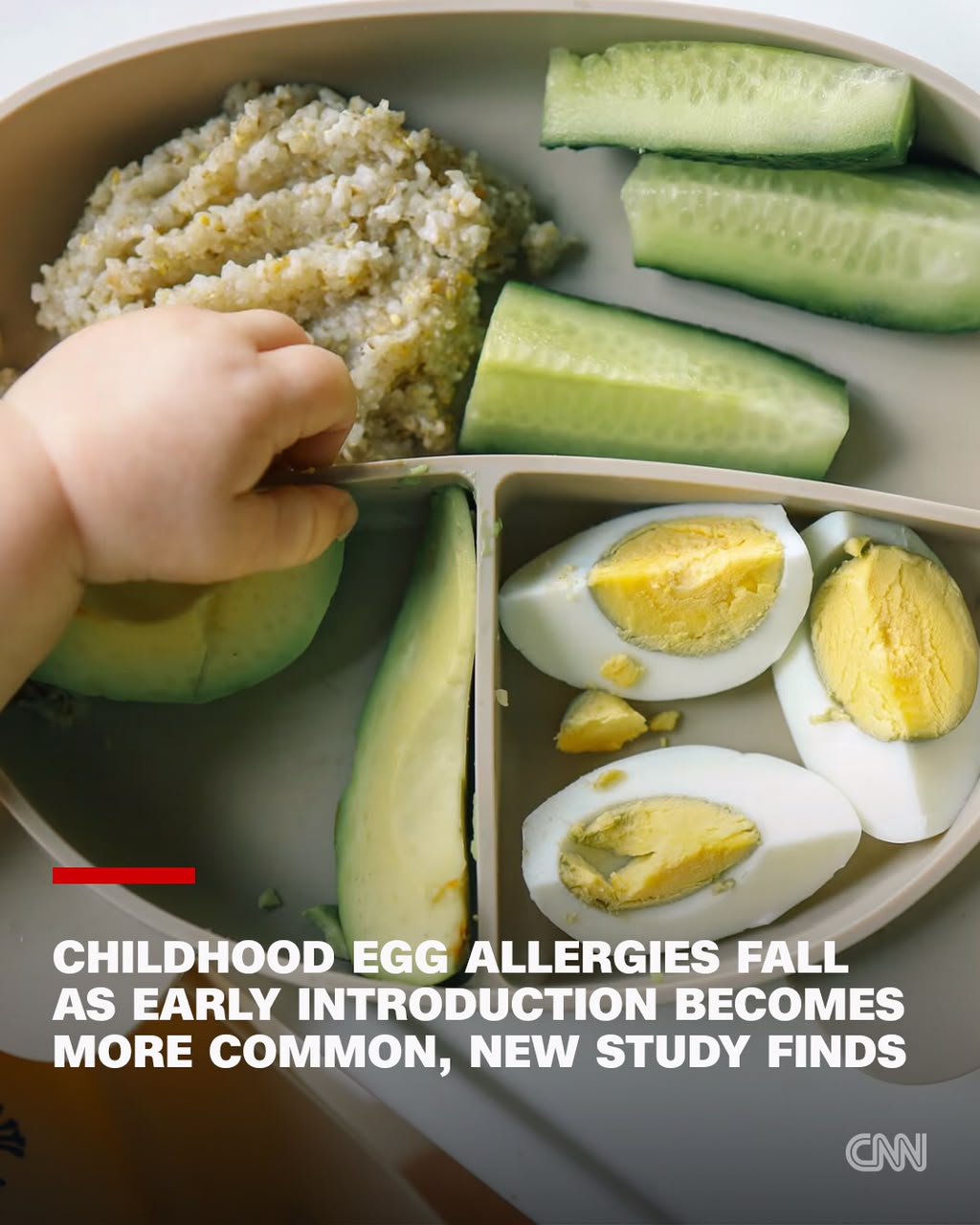
Early Exposure to Eggs and Other Allergens Linked to Lower Allergy Risk in Babies, Study Finds Parents were once told to delay introducing allergenic foods such as eggs, peanuts, and dairy to babies especially if allergies ran in the family. New research, however, suggests the opposite approach is helping reduce childhood food allergies.A study led by researchers from the University of Queensland and the Murdoch Children’s Research Institute found that egg allergy rates among infants fell after Australia changed its infant-feeding guidelines in 2016. The updated recommendations encouraged parents to introduce allergenic foods such as eggs and nuts during the first year of life rather than delaying them. The researchers analyzed data from approximately 7,200 children and found a 17% reduction in egg allergies following the guideline change. Among babies with eczema a group considered at higher risk of developing food allergies the prevalence of egg allergy dropped from 35% to 22%. Experts say early oral exposure appears to help the immune system recognize foods as harmless rather than dangerous. Studies over the past decade have increasingly shown that introducing allergenic foods during infancy can promote tolerance and reduce the likelihood of developing food allergies later in childhood. Current guidance from pediatric and allergy organizations recommends introducing common allergens once babies are developmentally ready for solid foods, typically around six months of age and, in some cases, as early as four to six months. Foods commonly introduced include eggs, peanut products, dairy, wheat, soy, sesame, fish, and shellfish in age-appropriate forms. Researchers caution that early introduction does not guarantee a child will avoid food allergies, but the evidence suggests it can significantly reduce the risk. Parents of infants with severe eczema or existing food allergies are advised to consult their pediatrician before introducing highly allergenic foods. The findings add to a growing body of evidence supporting a major shift in allergy prevention: rather than avoiding allergenic foods during infancy, carefully introducing them early may offer the best protection against future food allergies.