A Group Of United States Lawmakers Has Introduced Controversial Legislation
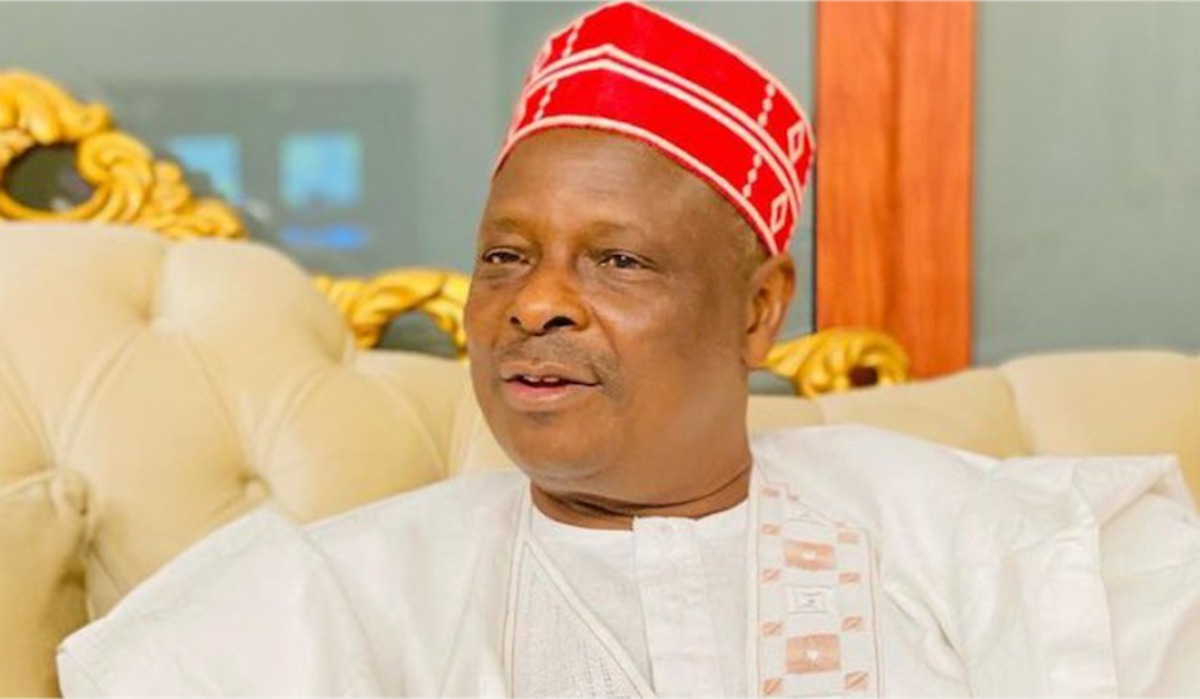
A group of United States lawmakers has introduced controversial legislation in the U.S. House of Representatives that proposes targeted sanctions including visa bans and asset freezes against Nigeria’s Rabiu Musa Kwankwaso and several Fulani‑linked organisations, citing alleged violations of religious freedom and violence against communities in Nigeria.
The Proposed Bill: Nigeria Religious Freedom and Accountability Act of 2026 The legislation titled the Nigeria Religious Freedom and Accountability Act of 2026 (H.R. 7457) was introduced on February 10, 2026, by Republican Representatives Riley Moore of West Virginia and Chris Smith of New Jersey, with co‑sponsors including Brian Mast, Tom Cole, Mario Díaz‑Balart, and Bill Huizenga. Under the bill’s provisions, the U.S. Secretary of State and the U.S. Treasury would be directed to consider targeted sanctions under the Global Magnitsky Human Rights Accountability Act against individuals and entities accused of “severe religious freedom violations.”Proposed measures include:
A review to determine whether certain Fulani ethnic militias should be designated as Foreign Terrorist Organisations under U.S. law.
The proposed legislation specifically cites the following individuals and groups for potential sanctions:
Senator Rabiu Musa Kwankwaso, former governor of Kano State and national leader of the New Nigeria Peoples Party (NNPP).
Miyetti Allah Cattle Breeders Association of Nigeria (MACBAN).
Miyetti Allah Kautal Hore.
Various organisations described in the bill as “Fulani‑ethnic nomad militias in Nigeria.” Allegations Cited by Sponsors
Lawmakers sponsoring the bill argue that Nigeria has experienced systemic violence targeting religious communities, especially Christians, over many years. They reference estimates by international observers and advocacy groups alleging large numbers of church attacks, killings and displacement of civilians in central and northern Nigeria.The sponsors contend that existing Nigerian responses have been inadequate, and that international pressure is necessary to compel accountability and protect religious minorities. The proposal has sparked intense debate and diplomatic sensitivity: The New Nigeria Peoples Party (NNPP), of which Kwankwaso is national leader, has rejected the allegations, describing the sanctions bill as unfair and politically motivated, and urging U.S. lawmakers to undertake a thorough investigation before acting. Critics argue that the bill could strain U.S.–Nigeria relations and deepen tensions over perceptions of Nigeria’s internal affairs. Some Nigerian observers and political leaders have also criticised the proposed sanctions as oversimplifying complex security challenges in Nigeria where communal conflict, banditry, terrorism and socio‑economic pressures intersect with religious tensions. They stress that violence affects people of multiple faiths, and that foreign legislative actions should be based on balanced assessments rather than unilateral labels.
If the bill were to pass both chambers of the U.S. Congress and be signed into law, it could mark a significant escalation in diplomatic pressure on Nigeria regarding religious freedom concerns. It also reflects broader debates in international policy circles about how external governments should respond when a partner nation is accused of human rights abuses or failures to protect vulnerable populations. U.S. officials backing the bill argue that targeted sanctions are a tool of accountability for alleged perpetrators of human rights violations. Supporters say the legislation aligns with U.S. commitments to global human rights protections, though opponents warn that such actions could have unintended geopolitical consequences. The Nigeria Religious Freedom and Accountability Act of 2026 will now proceed through committee review in the U.S. House of Representatives. If passed, it would move to the Senate for consideration before being sent to the White House for approval or veto. in the U.S. House of Representatives that proposes targeted sanctions including visa bans and asset freezes against Nigeria’s Rabiu Musa Kwankwaso and several Fulani‑linked organisations, citing alleged violations of religious freedom and violence against communities in Nigeria.
The Proposed Bill: Nigeria Religious Freedom and Accountability Act of 2026 The legislation titled the Nigeria Religious Freedom and Accountability Act of 2026 (H.R. 7457) was introduced on February 10, 2026, by Republican Representatives Riley Moore of West Virginia and Chris Smith of New Jersey, with co‑sponsors including Brian Mast, Tom Cole, Mario Díaz‑Balart, and Bill Huizenga. Under the bill’s provisions, the U.S. Secretary of State and the U.S. Treasury would be directed to consider targeted sanctions under the Global Magnitsky Human Rights Accountability Act against individuals and entities accused of “severe religious freedom violations.”
Visa bans on specified individuals named in the bill.
Freezing of assets held in U.S. jurisdictions by those deemed responsible. An annual report to Congress assessing U.S. efforts to protect vulnerable religious communities in Nigeria.