Netanyahu Orders Strikes On Beirut’s Southern Suburbs As Israel–Hezbollah Conflict Escalates
Netanyahu Orders Strikes on Beirut’s Southern Suburbs as Israel–Hezbollah Conflict Escalates Israeli Prime Minister Benjamin Netanyahu has ordered military strikes on the southern suburbs of Beirut, intensifying an already escalating conflict between Israel and the Iran-backed armed group Hezbollah. The strikes reportedly targeted areas in the densely populated Dahiyeh district, a stronghold of Hezbollah, following renewed cross-border attacks and ongoing violations of a fragile ceasefire arrangement in Lebanon. According to statements from the Israeli government, the decision was made after what it described as repeated violations of ceasefire terms by Hezbollah, including rocket and drone attacks on Israeli cities and military positions in the north. Israeli authorities said the operation was aimed at “terrorist targets” and infrastructure linked to Hezbollah operations in southern Lebanon and Beirut’s outskirts.The latest strikes come amid ongoing international efforts to prevent a wider regional war, with the United States and European partners reportedly pushing for a phased de-escalation between both sides.
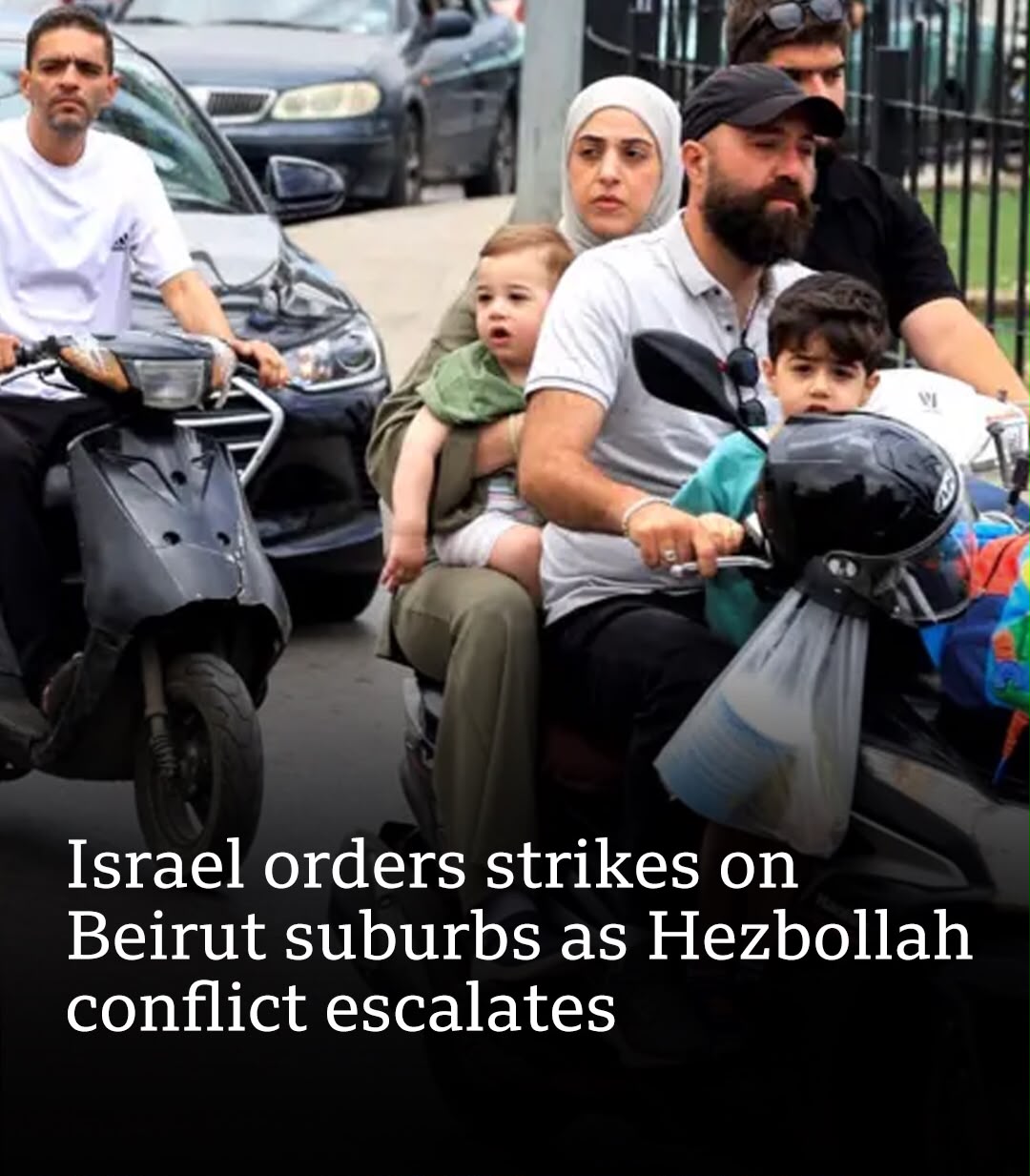
Diplomatic sources indicate that recent proposals involve Hezbollah reducing attacks in exchange for Israel limiting airstrikes in Beirut, though no binding agreement has been reached.The renewed violence has triggered fresh waves of displacement from Beirut’s southern suburbs, with thousands of civilians reportedly fleeing their homes amid fears of further bombardment. Humanitarian agencies warn that the ongoing conflict has already displaced over a million people in Lebanon since the escalation began, while casualties continue to rise on both sides.Regional actors, including Iran, have condemned the strikes, accusing Israel of undermining diplomatic negotiations aimed at stabilizing the region. Western governments, meanwhile, have expressed concern over the widening conflict, urging both sides to return to ceasefire commitments and avoid further civilian harm. The Israel–Hezbollah confrontation has intensified in recent months following repeated exchanges of rocket fire, drone attacks, and Israeli airstrikes across southern Lebanon and parts of Beirut. Analysts say the latest escalation marks one of the most serious phases of the conflict in years, with fears that it could expand into a broader regional war involving multiple state and non-state actors. As strikes continue and diplomatic efforts struggle to gain traction, the situation between Israel and Hezbollah remains highly volatile, with international observers warning of further escalation unless urgent political breakthroughs are achieved.