Energy Security Takes Priority Over Rapid Energy Transition, Says Oando CEO Wale Tinubu

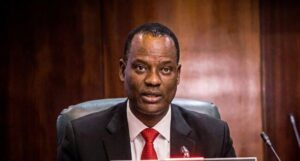
Energy Security Takes Priority Over Rapid Energy Transition, Says Oando CEO Wale Tinubu The Group Chief Executive Officer of Oando Plc, Wale Tinubu, has said that global energy and economic crises are slowing the pace of the global energy transition, as governments increasingly prioritise energy security and stable hydrocarbon supply over rapid decarbonisation. Tinubu made the remarks while speaking on the evolving global energy landscape, noting that recent geopolitical tensions, inflationary pressures, and supply disruptions have forced policymakers to reassess how quickly they can move away from fossil fuels without undermining economic stability. He explained that successive global shocks including the COVID-19 pandemic, the Russia–Ukraine war, and ongoing geopolitical instability have significantly reshaped energy policy priorities across both developed and developing economies. According to Tinubu, governments are now placing greater emphasis on ensuring reliable and affordable energy access, particularly as inflation and fiscal constraints limit their ability to heavily subsidise renewable energy expansion. He argued that while the global push for decarbonisation remains important, the immediate priority for many countries is securing consistent energy supply to sustain economic growth, industrial activity, and household consumption. Tinubu said this shift is especially pronounced in developing regions, where energy demand continues to rise rapidly and infrastructure gaps remain significant. The Oando chief noted that hydrocarbons—particularly oil and gas—are still playing a central role in meeting global energy needs, adding that investment flows are increasingly returning to the sector due to concerns over reliability and affordability. He maintained that natural gas, in particular, is expected to remain a key transition fuel as countries balance climate commitments with energy access requirements. Tinubu stressed the need for a more balanced and pragmatic energy transition approach, arguing that policy frameworks must reflect the differing realities of countries at varying levels of development. He said Africa and other developing regions require significant investment in both traditional and renewable energy systems to close existing energy deficits while gradually transitioning to cleaner alternatives. His comments come amid ongoing global debate over the feasibility and pace of energy transition policies, with critics arguing that economic instability and energy insecurity are forcing a slowdown in aggressive climate timelines. Tinubu maintained that the current global environment underscores the importance of energy resilience, diversification, and investment realism in shaping the future energy mix.