Three Dead After Suspected Hantavirus Outbreak On Cruise Ship
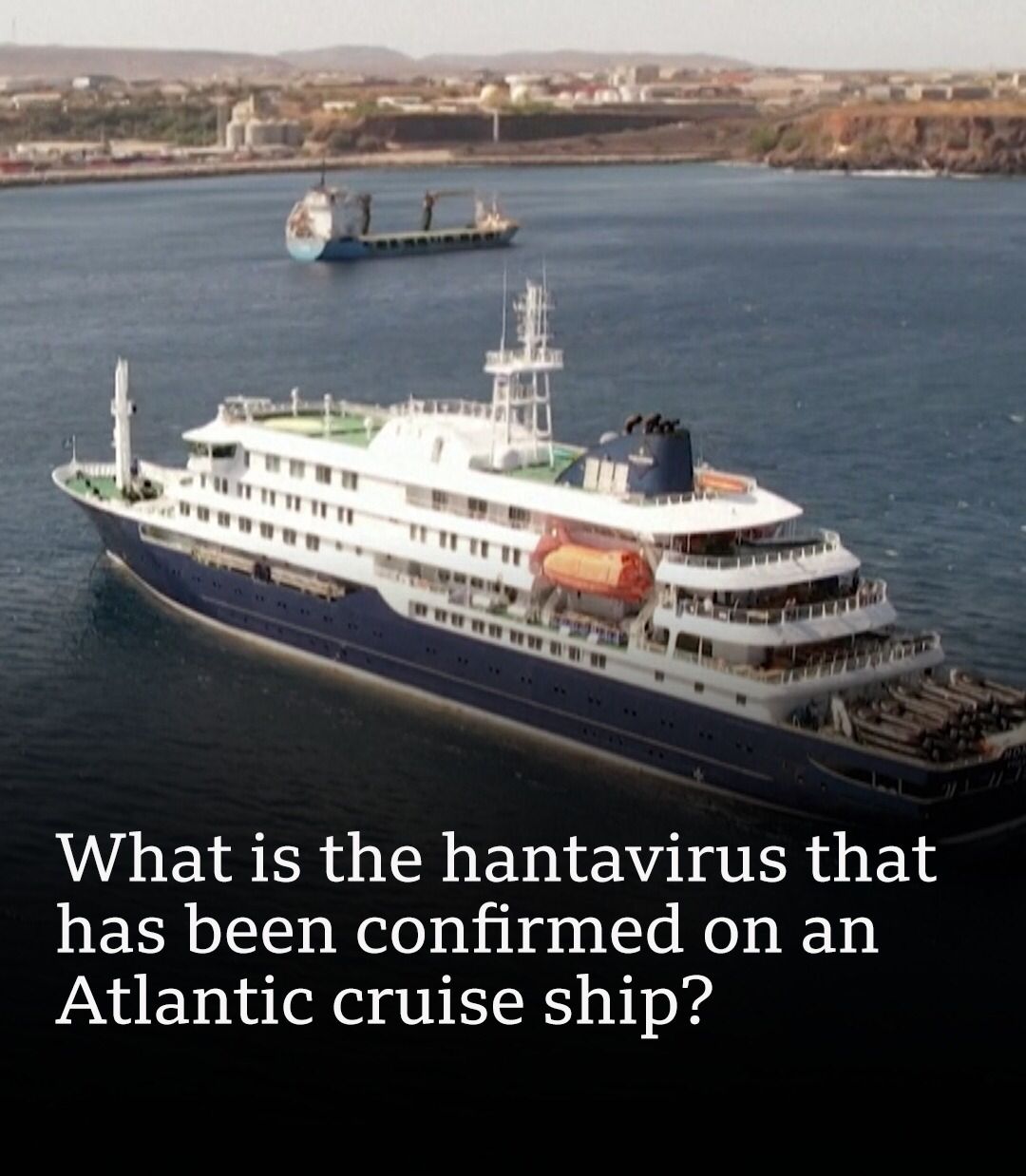
Three Dead After Suspected Hantavirus Outbreak On Cruise Ship WHO Three people have died following a suspected hantavirus outbreak aboard a cruise ship in the Atlantic Ocean, according to the World Health Organization WHO. Health officials confirmed that the deaths occurred after passengers on the expedition vessel MV Hondius fell ill during a voyage travelling from Argentina towards Cape Verde, raising global health concerns and prompting urgent investigations. The WHO disclosed that at least one case of hantavirus infection has been laboratory confirmed, while several additional suspected cases are currently under medical review. Reports indicate that a British passenger who tested positive for the virus is receiving intensive medical treatment, while other affected individuals are being closely monitored by health authorities.
The outbreak triggered immediate medical response procedures onboard and coordination between international health agencies and national authorities. Hantavirus is a rare but potentially deadly disease primarily transmitted to humans through contact with infected rodents, especially via exposure to their urine, droppings, or saliva. Symptoms can initially resemble flu-like illness, including fever, muscle aches, fatigue, and headaches, but severe cases may progress to serious respiratory complications or organ failure if not treated promptly. Human-to-human transmission is extremely uncommon, according to health experts. Health officials said surveillance and containment measures have been intensified to prevent further spread of the infection among passengers and crew members. Authorities are also tracing possible exposure sources onboard the vessel and reviewing sanitation and environmental conditions linked to the outbreak. The WHO noted that investigations remain ongoing as experts seek to determine how the infection originated and whether additional cases may emerge.
Disease outbreaks on cruise ships often attract international attention due to confined environments that can facilitate the rapid spread of infectious illnesses. Public health specialists have therefore emphasised the importance of early detection, isolation protocols, and rapid medical intervention to minimise risks during maritime travel. Further updates are expected as laboratory testing continues and health authorities complete their assessment of the situation.