IRAN SNUBS US TALKS IN PAKISTAN AS CEASEFIRE EXPIRY LOOMS
IRAN SNUBS US TALKS IN PAKISTAN AS CEASEFIRE EXPIRY LOOMS
Iran has rejected participation in planned peace talks with the United States in Pakistan, sharply raising tensions as a fragile ceasefire edges toward its expiration date. The decision casts serious doubt over diplomatic efforts aimed at preventing renewed conflict between Washington and Tehran.
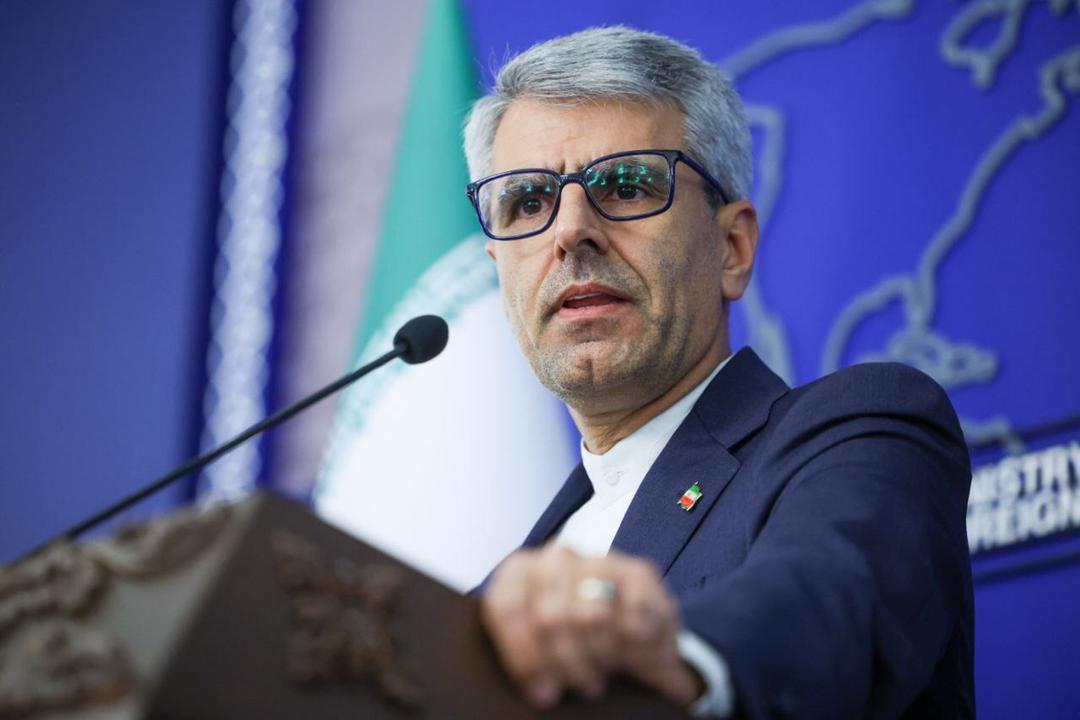
Iran’s Foreign Ministry confirmed it has no immediate plans to send negotiators to Islamabad, citing unresolved disputes over
- The ongoing US naval blockade of Iranian ports
- Alleged violations of the ceasefire agreement
- “Excessive demands and shifting positions” from Washington
A ministry spokesperson said conditions for meaningful talks “have not been met”, warning that current circumstances make negotiations unproductive.
Tehran maintains that
- The US blockade of Iranian maritime routes is a breach of the ceasefire
- Recent naval incidents, including ship seizures, have worsened mistrust
- Diplomatic talks cannot proceed under military pressure conditions
Iranian officials argue that any negotiation framework must first address sanctions and blockade-related tensions before dialogue resumes.
Pakistan has been attempting to
- Host a second round of US–Iran peace talks in Islamabad
- Extend the ceasefire into a longer-term diplomatic agreement
- Facilitate a structured negotiation window between both sides
However, Iran’s withdrawal threatens to derail Islamabad’s mediation role, which had been positioned as a neutral diplomatic channel
- The current ceasefire is nearing expiration within days
- Previous negotiations ended without a final agreement
- Both sides had blamed each other for lack of progress in earlier rounds
The breakdown increases the risk of
- Renewed military escalation
- Energy route disruptions
- Regional instability in the Middle East
Security and diplomatic observers say
- Iran’s rejection may be tactical leverage ahead of renewed talks
- The ceasefire remains fragile and highly vulnerable
- Pakistan’s mediation effort is now at a critical test stage
Some analysts warn that failure to restart dialogue could trigger a rapid return to confrontation, especially around strategic maritime zones.
The standoff has broader consequences for
- Global oil and energy supply routes
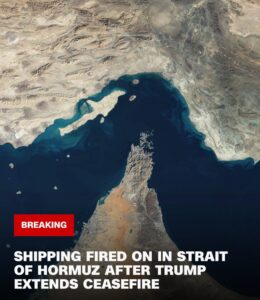
- Stability in the Persian Gulf and Strait of Hormuz
- International diplomatic pressure on both Washington and Tehran
With the ceasefire deadline approaching, the situation remains highly uncertain. Key variables include
- Whether Iran reconsiders participation
- US response to diplomatic breakdown
- Pakistan’s ability to revive stalled negotiations