Global Travel Chaos As U.S.Israel Iran Conflict Disrupts Flights And Doubling Airfares
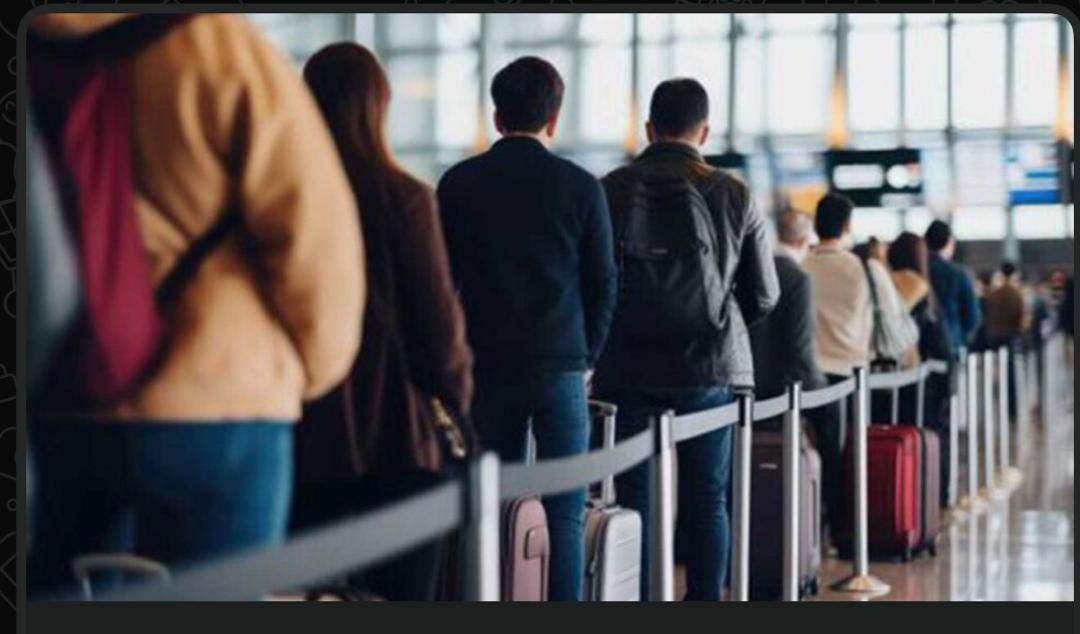
Global Travel Chaos as U.S.–Israel–Iran Conflict Disrupts Flights and Doubling Airfares The ongoing conflict involving the United States, Israel and Iran has severely disrupted international air travel, forcing airlines worldwide to suspend flights, reroute routes and double airfares as global airspace closures and rising fuel costs ripple through the travel industry. Airline Suspensions and Route Disruptions Major carriers including Emirates, Etihad and Middle East Airlines (MEA) have indefinitely suspended inbound and outbound services to and from the Middle East amid escalating tensions and safety concerns over airspace security. Key regional hubs such as Dubai (DXB), Abu Dhabi (AUH), Doha (DOH) and Tel Aviv (TLV) have seen extensive flight cancellations and limited operations, slowing global connecting services and leaving thousands of passengers with cancelled or postponed travel plans. Airfares Surge as Demand Outpaces Capacity The shrinking network of available flights has sparked a dramatic surge in ticket prices, with average fares rising by more than 100 per cent on affected routes compared with prices earlier in the year. For example, a return ticket to Frankfurt now commands between $1,100–$1,150 (roughly ₦1.50–₦1.57 million) nearly double rates of $583–$606 observed in February 2026, according to data from Lufthansa. Industry observers say the conflict‑induced closure of Gulf airspace has shifted passenger traffic to alternative carriers such as European airlines and African carriers including Ethiopian Airlines, Kenya Airways and RwandAir, but these alternatives are struggling to absorb the displaced demand
Travel agents and aviation experts warn that the crisis is not only affecting passenger travel but also global supply chains, with critical medicines requiring refrigeration including cancer drugs caught in route disruptions. Domestic airlines in Nigeria have also raised fares in response, compounding the squeeze on travellers and hinting at broader knock‑on effects for tourism and business travel. Bankole Bernard, Group Managing Director of Finchglow Holdings Limited, said the conflict and associated airspace shutdowns have “collapsed parts of the global travel economy, forcing travellers bound for the Middle East to reroute via Europe or Africa and upending long‑established migration and leisure travel patterns. Dr. Yinka Folami, President of the National Association of Nigerian Travel Agencies (NANTA), echoed concerns about shrinking global travel capacity, noting that freight rates have also surged with container premiums reaching $4,000–$5,000 per TEU, representing 250 per cent to 500 per cent increases on some routes since the escalation began The conflict in the Middle East has forced airlines around the world to adjust to unprecedented operational challenges. Airspace closures affecting Iran, Iraq, the Gulf states and nearby regions have forced widespread flight cancellations and rerouting strategies as operators avoid potentially volatile corridors. Travel industry analysts also point to surging jet fuel prices driven by disrupted oil flows and increased geopolitical risk in key energy routes like the Strait of Hormuz as a core factor pushing up airfares, with some airlines implementing fuel surcharges and higher base fares to manage soaring operational costs.
As the conflict continues, the full impact on global travel, logistics, and the broader economy remains uncertain, but stakeholders warn that prolonged disruptions could have lasting effects across aviation, tourism, and international trade.