As Countries Mark World Kidney Day, Caregivers Groan As Dialysis Hits ₦80,000 Per Session, Transplant ₦30m In Nigeria
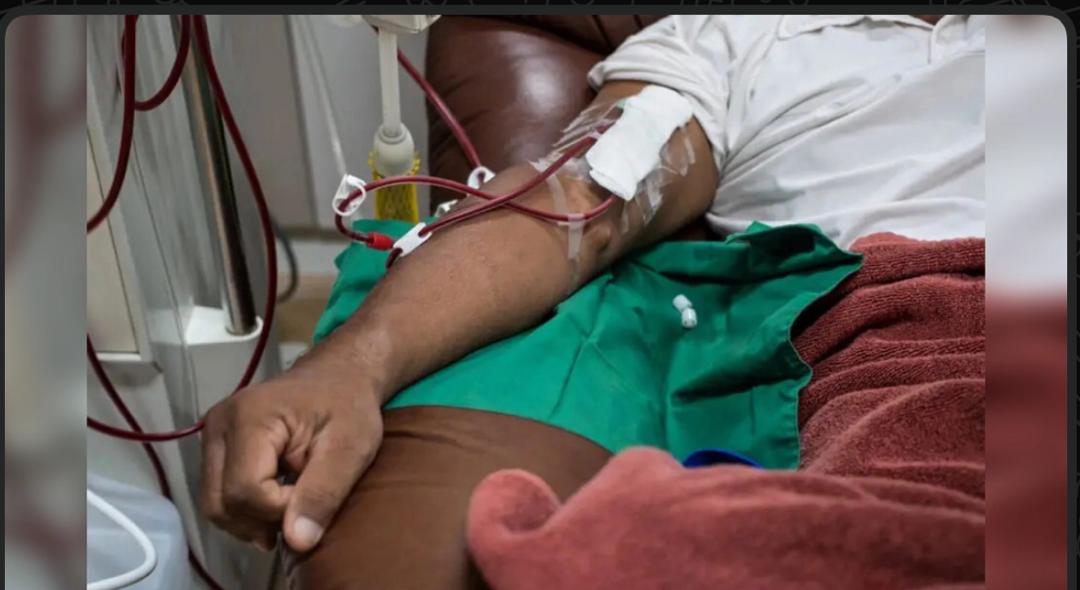
As Countries Mark World Kidney Day, Caregivers Groan as Dialysis Hits ₦80,000 Per Session, Transplant ₦30m in Nigeria As the world observes World Kidney Day, the crippling cost of kidney care in Nigeria has taken centre stage, with patients and caregivers warning that expensive dialysis and transplant procedures are major determinants of who survives chronic kidney disease in the country. Chronic kidney disease (CKD) affects a growing number of Nigerians, with an estimated 25 million people living with some form of the condition. For many, long‑term dialysis treatment often required multiple times per week has become financially ruinous.
- Dialysis sessions now typically cost between ₦50,000 and ₦80,000 per session, depending on the facility and location.
- Kidney transplant procedures, which offer longer‑term survival prospects, can run between roughly ₦25 million and ₦30 million a figure far beyond the reach of most Nigerian families. Many caregivers described how the relentless demand for funds has forced difficult choices, with some patients unable to continue treatment due to financial exhaustion In recognition of the heavy disease burden, the Federal Government of Nigeria last year introduced a subsidy initiative covering dialysis costs at 10 centres nationwide, bringing the cost down to about ₦12,000 per session for eligible patients. However, caregivers and patient advocates say that this measure, while welcome, covers only a small fraction of those in need and is often unavailable at many facilities where treatment is accessed.
Leading kidney specialists have sounded the alarm over the rising prevalence of chronic kidney disease in Nigeria with hypertension and diabetes emerging as major risk factors driving cases.
- Professor Jacob Olugbenga Awobusuyi, immediate past president of the Nephrology Association of Nigeria (NAN), warned that the high cost of care particularly for patients with advanced (stage‑5) CKD remains a significant barrier to survival.
- He noted that transplant patients can incur monthly drug costs of ₦600,000–₦700,000 just for initial anti‑rejection medications, a further expense compounding the economic burden. Nigeria currently has an estimated 200 dialysis centres and around 800 functional dialysis machines, a fraction of the ~5,000 machines experts say are needed to adequately serve the population.
Care providers emphasise that insufficient capacity, high treatment costs, and the lack of widespread health insurance coverage for kidney care are masking the true scale of the public health crisis. Globally, kidney disease represents a mounting health challenge, with over 850 million people affected worldwide according to international research data. The burden includes a wide spectrum of kidney conditions that often culminate in end‑stage kidney failure, requiring expensive dialysis or transplant procedures to sustain life.
World Kidney Day advocates stress the importance of prevention, early detection and universal access to affordable treatment as central goals for health policymakers worldwide.