AUSTRALIA WILL NOT REPATRIATE CITIZENS WITH ISLAMIC STATE LINKS, PM ALBANESE SAYS
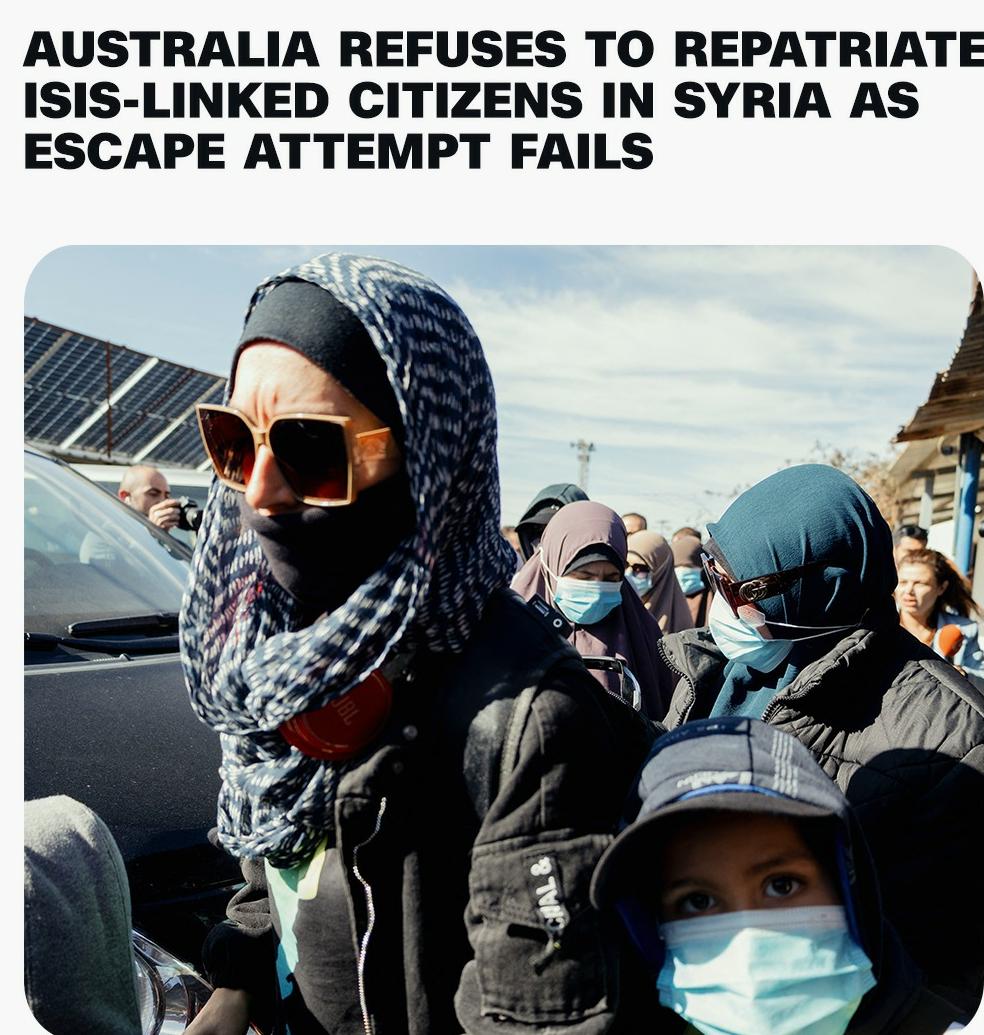
AUSTRALIA WILL NOT REPATRIATE CITIZENS WITH ISLAMIC STATE LINKS, PM ALBANESE SAYS “IF YOU MAKE YOUR BED, YOU LIE IN IT”
The Australian Government has made clear it will not assist in the repatriation of Australian citizens alleged to have links to the Islamic State (IS) group from camps in northeastern Syria, Prime Minister Anthony Albanese told the national broadcaster offering blunt advice to families stranded there: “If you make your bed, you lie in it.” Mr Albanese said his government views the situation with 34 Australians including women and children identified as relatives of suspected IS militants without sympathy and will provide no government‑coordinated repatriation or support for their return.
The comments came as the group was temporarily sent back to the Roj camp in northeast Syria after leaving the Kurdish‑run facility with the intention of reaching Damascus and then Australia.
Albanese told the Australian Broadcasting Corporation (ABC) that the government will not assist or organise the return of these citizens, even if children are affected, stressing that those who went to Syria to support the Islamic State made their choices and must face the consequences. He echoed a phrase attributed to his mother: “If you make your bed, you lie in it,” underscoring the government’s position that personal responsibility outweighs government rescue efforts in these circumstances.
Albanese said it was “unfortunate” that children are part of the group but insisted Australia would not extend repatriation assistance. He warned that if any of these Australians return independently and have breached Australian law such as laws criminalising travel to IS‑controlled territory they could be prosecuted upon arrival, facing the full force of the law.
Since the fall of ISIS’s territory in 2019, only a small number of Australians have been repatriated with government help such as eight children of slain fighters in 2019 and four women with 13 children in 2022 after detailed security assessments.
Advocacy groups like Save the Children Australia have argued for a moral and legal obligation to repatriate vulnerable citizens, including children, but Australia’s Federal Court ruled in favour of the government in 2024 that there is no legal duty to repatriate.
Repatriation of foreign nationals from camps like Roj and al‑Hol remains a global challenge, with many Western countries reluctant to bring back individuals tied to extremist groups amid security concerns. Some countries including the U.S., Germany and Canada have carried out selective repatriations, but Australia’s firm stance highlights domestic sensitivities around national security and terrorism. The issue pits humanitarian concerns particularly for children caught up in conflict zones against national security priorities and political realities.
Albanese’s remarks reflect broader debates in Australia about how best to handle citizens linked to extremist movements abroad and how to balance legal obligations, public safety and international norms.